Mental health touches every part of how you live, work, and connect with others, yet many people still overlook it until a crisis forces attention. Understanding mental wellness isn’t about avoiding hard emotions; it’s about learning to recognize, process, and respond to them in healthy ways. Simple practices like consistent sleep hygiene, daily mindfulness, and honest conversations with people you trust can quietly reshape how resilient you feel over time.
Building a strong support system matters just as much as any single habit, since connection often carries you through the hardest stretches. This guide offers practical, realistic steps to help you protect your emotional wellbeing and build lasting mental strength, one small choice at a time.
What Is Mental Health and Why It Matters
Mental health is more than the absence of a diagnosed condition. It’s the combination of your emotional, psychological, and social wellbeing, and it shapes how you think, feel, and handle the ordinary pressures of daily life. Good mental wellness influences everything from how you sleep at night to how you show up in your relationships and your job. When your mind is in a healthy place, you tend to make clearer decisions, bounce back faster from setbacks, and connect more easily with the people around you.
A lot of misunderstanding still surrounds this topic, and that gap in knowledge often keeps people from getting the support they need. Some believe that struggling mentally means something is fundamentally wrong with them, while others assume that mental health only matters once a crisis hits. Neither is true. Emotional wellbeing exists on a spectrum, and everyone moves along it depending on what’s happening in their life. Understanding this spectrum is one of the clearest signs of good mental health, because it means you’re paying attention rather than ignoring the signals your mind sends you.
Signs You Should Pay Attention to Your Mental Health
Your mind often sends warning signs long before a problem becomes serious. Persistent irritability, a sense of numbness, or feeling constantly overwhelmed by small tasks can all point to declining emotional wellbeing. These shifts don’t always announce themselves loudly. Sometimes they show up as a quiet loss of interest in things you used to enjoy, or a nagging sense that something feels “off” even when you can’t explain why.
Physical symptoms deserve just as much attention as emotional ones. Chronic fatigue, disrupted sleep, changes in appetite, and unexplained aches can all be tied to your mental state, since the body and mind are constantly communicating with each other. Behavioral changes matter too, including withdrawing from friends, missing deadlines, or losing motivation for routines that once felt easy. Taking a mental health screening, which many organizations offer for free and anonymously online, is a simple way to check in with yourself and catch these patterns early.
| Warning Sign Category | Common Examples |
|---|---|
| Emotional | Irritability, hopelessness, constant worry, emotional numbness |
| Physical | Fatigue, insomnia, appetite changes, unexplained headaches |
| Behavioral | Social withdrawal, missed responsibilities, loss of motivation |
| Cognitive | Difficulty concentrating, racing thoughts, indecisiveness |
Daily Habits for Better Mental Wellness
Small, consistent habits often do more for your mind than any single big gesture. Sleep hygiene sits at the foundation of this, since poor sleep disrupts mood regulation and makes stress harder to manage the next day. Aim for a consistent bedtime, limit screens before sleep, and keep your room cool and dark. Alongside rest, hydration plays an underrated role in how you feel, because even mild dehydration can affect concentration and mood. Drinking enough water throughout the day is one of the easiest daily habits for mental wellness you can adopt starting today.
Movement matters too, and understanding how exercise affects mood helps explain why a short walk can shift your entire outlook. Physical activity releases endorphins and reduces cortisol, the body’s primary stress hormone, which makes physical activity/exercise one of the most reliable natural mood boosters available. Pair this with mindfulness practices like short meditation sessions or simply pausing to notice your breath, and you build a toolkit that supports steady, everyday stress relief. Setting a few self-care goals each month, even small ones like a ten-minute walk or a screen-free evening, gives you something concrete to work toward.
How to Cope With Anxiety and Stress
Anxiety often shows up as a racing mind, a tight chest, or a constant sense of dread about things that haven’t happened yet. When it strikes, breathing exercises for stress relief offer one of the fastest ways to calm your nervous system. Try inhaling for four seconds, holding for four, exhaling for four, and holding again, repeating the cycle until your body starts to settle. This technique, sometimes called box breathing, is used by everyone from therapists to elite athletes because it works quickly and requires no equipment.
Beyond the immediate moment, longer-term coping strategies for anxiety involve building predictable routines, learning to say no when your plate is full, and gradually facing situations that make you nervous rather than avoiding them entirely. Coping skills like these strengthen over time, much like a muscle. It’s worth noting the difference between everyday stress and a diagnosed anxiety disorder. If worry starts interfering with your work, relationships, or sleep on most days for several weeks, that’s a sign to look beyond self-help and consider speaking with a professional.
How to Cope With Depression and Low Mood
Depression is not the same as ordinary sadness, and recognizing that difference matters. While sadness usually passes with time or a change in circumstances, depression tends to linger, draining energy and interest from activities that once felt meaningful. It can make even simple tasks, like getting out of bed or replying to a text, feel exhausting. Understanding this distinction is a key part of protecting your emotional wellbeing over the long run.
Recovery rarely happens through one dramatic change. Instead, small and manageable actions tend to build momentum, whether that’s opening the curtains in the morning, stepping outside for five minutes, or reaching out to one person you trust. Maintaining a loose routine, even when motivation is low, gives your day structure and helps prevent isolation. Social contact matters enormously here too, since connecting with even one supportive person can interrupt the cycle of withdrawal that depression often creates.
Many therapists remind their clients that you don’t have to control every thought that crosses your mind. You simply have to stop letting those thoughts steer your actions. That idea captures why gentle, consistent movement forward often works better than waiting to feel motivated first.
Breaking the Stigma Around Mental Health
Mental health stigma remains one of the biggest barriers standing between people and the help they need. Fear of judgment, worry about appearing weak, or cultural taboos around discussing emotions openly all keep people silent, even when they’re struggling badly. This silence has real consequences, since untreated conditions tend to worsen over time rather than resolve on their own.
Talking openly changes this dynamic. When you share your experience with a trusted friend or family member, you not only lighten your own emotional load but also make it easier for others to open up too. Mental health awareness activities, such as community workshops, school programs, and awareness campaigns run throughout the year, have made real progress in shifting public attitudes. Every honest conversation chips away at old stereotypes, and sharing your own story, even in small ways, is one of the most powerful tools available for reducing stigma in your own circle.
Building Connection – You Are Not Alone
Isolation and declining mental health tend to feed each other in a difficult cycle. When you withdraw from people, you lose access to the support, perspective, and simple companionship that help regulate emotions, which then makes it harder to reach back out. Recognizing this pattern early gives you a chance to interrupt it before it deepens.
Rebuilding a support system doesn’t require a complete social overhaul. It can start with reconnecting with one old friend, joining a local group tied to a hobby you enjoy, or participating in an online community focused on shared experiences. Social connections and community connection consistently rank among the strongest protective factors for mental wellness in research studies. Peer support groups, in particular, offer something professional treatment sometimes can’t: the reassurance that comes from talking to someone who has walked a similar path and truly understands.
When Should You Seek Professional Help?
Self-care strategies matter, but they aren’t a substitute for professional support when symptoms become persistent or severe. If feelings of sadness, anxiety, or hopelessness last most days for two weeks or longer, or if they start interfering with work, relationships, or basic daily functioning, that’s a clear signal to reach out for help. Thoughts of self-harm should always be treated as urgent, regardless of how mild or fleeting they seem.
Several types of providers can offer support, and understanding the differences helps you choose the right fit. A therapist or counselor typically provides talk therapy and coping strategies, while a psychiatrist can diagnose conditions and prescribe medication when needed. Your first session usually involves answering questions about your history, current struggles, and goals, which helps the provider build a treatment plan suited to you specifically. There’s no need to have everything figured out beforehand; showing up is the hardest and most important part.
How to Find the Right Help (Therapists, Clinics, Helplines)
Finding affordable mental health care in the United States can feel overwhelming at first, but several paths make it more manageable. Many insurance plans cover therapy sessions, and community mental health centers often offer sliding-scale fees based on income. Employee assistance programs, available through many workplaces, also provide a set number of free counseling sessions each year, which is worth checking with your HR department.
If you or someone you know is in crisis, the 988 Suicide & Crisis Lifeline is available 24 hours a day by call or text across the country, offering free and confidential support. Telehealth platforms have also expanded access significantly, letting people connect with licensed therapists from home, which removes barriers like transportation or scheduling conflicts. Below is a quick comparison to help you decide where to start.
| Option | Best For | Typical Cost |
|---|---|---|
| Community mental health centers | Sliding-scale, ongoing care | Low to moderate |
| Telehealth therapy platforms | Convenience, flexible scheduling | Moderate, often insurance-covered |
| Employee assistance programs | Short-term, free initial sessions | Free (through employer) |
| Crisis helplines (e.g., 988) | Immediate, urgent support | Free |
Trusted Tools, Books & Resources for Mental Wellness
A wide range of tools can support your ongoing progress beyond therapy sessions. Mental health apps now offer everything from guided meditations to mood tracking, making mindfulness and daily check-ins easier to maintain. Reputable organizations such as the National Institute of Mental Health, Mental Health America, and NAMI provide free screening tools, educational fact sheets, and directories to help you find local support.
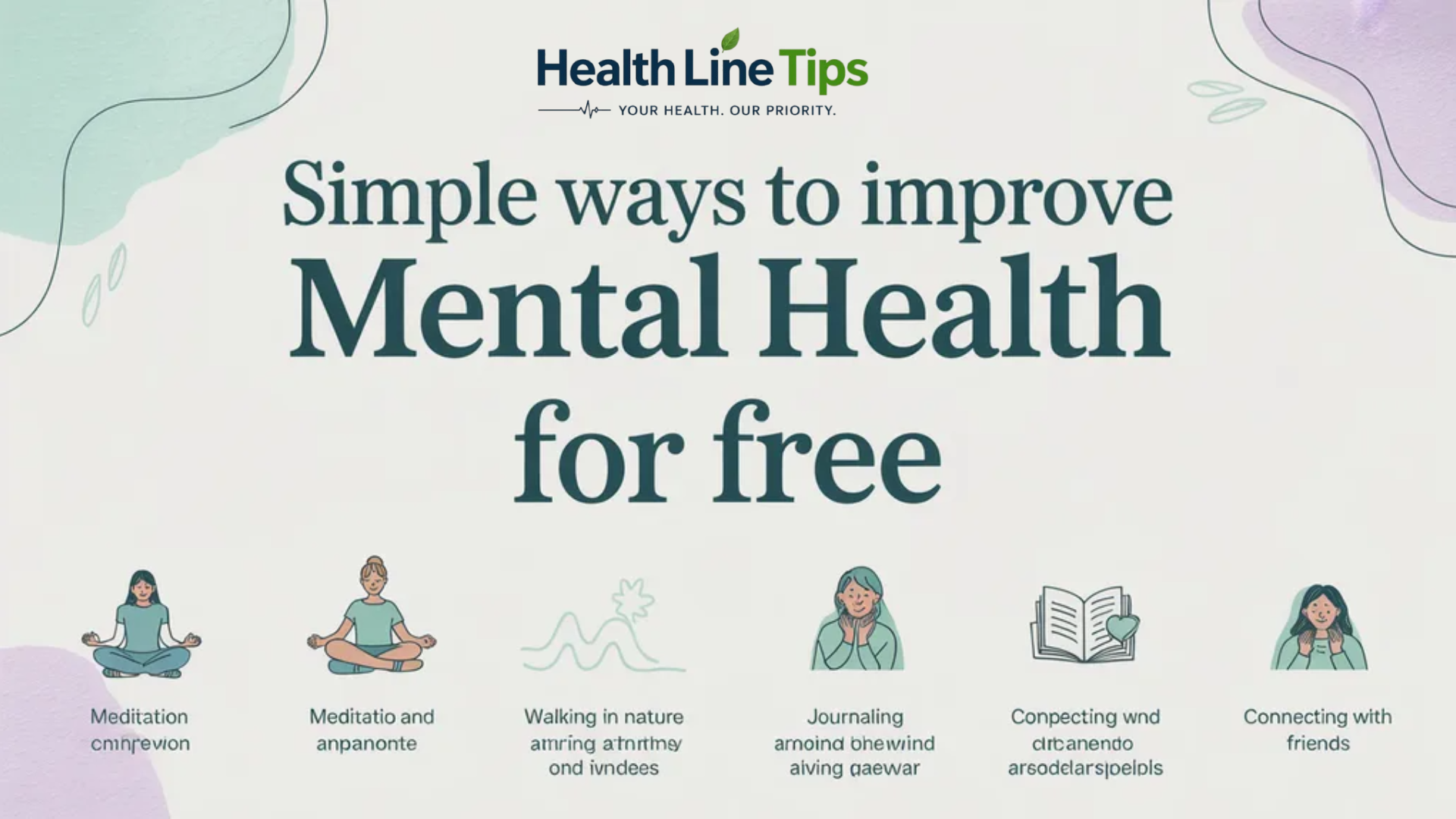
Books remain a valuable, low-cost resource for self-guided growth, particularly those focused on building self-esteem, managing anxiety, or understanding emotional patterns more deeply. Beyond formal resources, don’t underestimate simpler practices like a gratitude practice, spending time in nature therapy, or exploring creative expression through art, music, or writing. Research consistently shows that how nature improves mental health isn’t just anecdotal; time outdoors measurably lowers cortisol levels and improves mood. Volunteering also deserves a mention here, since the benefits of volunteering for mental health include a stronger sense of purpose and deeper community connection, both of which support long-term resilience.
Conclusion
Looking after your mental health isn’t about chasing perfection. It’s about making small, steady choices that help you feel stronger, calmer, and more connected over time. Some days you’ll make great progress. Other days, simply getting through the day is enough. Both are part of the journey.
Simple habits like regular exercise, quality sleep, healthy meals, mindfulness, and meaningful conversations can make a lasting difference. At the same time, remember that reaching out for professional support is a sign of strength, not weakness. Whether you lean on trusted friends, a therapist, a support group, or reliable mental health resources, you don’t have to face life’s challenges alone.
Your mind deserves the same care and attention as your body. Start with one small step today, stay patient with yourself, and keep moving forward. Every positive choice you make builds resilience, protects your emotional well-being, and brings you closer to a healthier, more balanced life.
Frequently Asked Questions (FAQs)
Q1. What are the five ways to improve mental health?
The five key ways to improve mental health are staying physically active, maintaining strong social connections, eating a balanced diet, getting enough sleep, and practicing mindfulness. These daily habits can boost your mood, reduce stress, and build emotional resilience.
Q2. How to have good mental health?
Good mental health starts with healthy routines, meaningful relationships, and effective stress management. Make time for exercise, quality sleep, hobbies, and don’t hesitate to seek professional support if you’re struggling.
Q3. What is the 3-3-3 rule in mental health?
The 3-3-3 rule is a simple grounding technique for anxiety. Name three things you can see, identify three sounds you can hear, and move three parts of your body. This exercise helps shift your focus away from anxious thoughts and into the present moment.
Q4. What are 10 ways to improve mental health?
Exercise regularly, eat nutritious foods, sleep well, practice mindfulness, stay connected with loved ones, spend time outdoors, limit screen time, set realistic goals, express gratitude, and seek professional help when needed. Consistency with these habits supports long-term mental wellness.
Q5. How to reduce stress?
You can reduce stress by taking deep breaths, staying physically active, managing your time wisely, getting enough rest, and talking to someone you trust. Relaxation techniques like meditation or yoga can also help calm your mind and body.

Welcome to Health Line Tips! I’m Mazhar Hayyat, an AI-Powered SEO, and Content Writer with 4 years of experience. I help websites rank higher, get more traffic, and look amazing. My goal is to make SEO and web design simple and effective for everyone. Let’s achieve more together!