Home

Top 20 Healthy Living Tips For 2026

The beginning of a new decade often inspires people to set fresh goals and make positive changes in their lives, especially when it comes to improving their health. It’s the perfect time to focus on building better habits and adopting a healthier lifestyle. To help you get started, here are 20 simple and practical health tips to guide you toward better living.

1. Make healthy eating a daily priority.

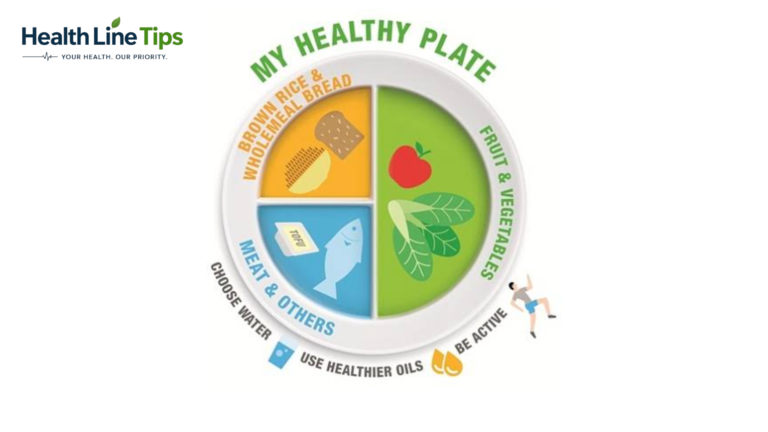
A healthy lifestyle starts with eating a balanced mix of nutritious foods like fruits, vegetables, legumes, nuts, and whole grains. Aim to include at least five servings of fruits and vegetables daily to keep your body strong and healthy.

You can improve your diet by adding vegetables to meals, choosing fresh fruits as snacks, and eating a variety of seasonal produce. These habits support better nutrition and help lower the risk of long-term health problems such as diabetes, heart disease, stroke, and other chronic conditions.

2. Reduce your intake of salt and sugar.

salt

At Health Line Tips, we highlight the importance of maintaining a balanced intake of salt and sugar for better health. Many people unknowingly consume too much salt in their daily diet, which can raise blood pressure and increase the risk of serious conditions such as heart disease and stroke. To stay healthy, it is recommended to keep salt intake to around 5 grams per day (about one teaspoon). This can be achieved by using less salt while cooking, avoiding salty sauces and condiments, skipping processed snacks, and choosing low-sodium food options.

Similarly, excessive sugar consumption can lead to weight gain, tooth decay, and other health problems. Health experts advise limiting added sugars in both children and adults to support overall wellness. Reducing sugary drinks, sweets, and processed foods can make a big difference in improving long-term health. Small dietary changes can help protect your body and reduce the risk of lifestyle-related diseases.

3. Limit your intake of unhealthy fats for better health

Reduce intake of harmful fats

Controlling fat intake is important for maintaining a healthy weight and reducing the risk of chronic diseases. Experts suggest that fats should make up less than 30% of your daily energy intake.

Healthy fats (unsaturated fats) are better than saturated and trans fats. Keep saturated fats under 10% and trans fats below 1% of daily calories for better health.

Healthy fat sources include fish, nuts, avocado, and oils like olive, sunflower, canola, and soybean. Avoid or limit saturated fats found in butter, fatty meats, cheese, ghee, and coconut oil, as well as trans fats in fried and processed foods.

Choosing healthier fats supports heart health, energy, and overall well-being.

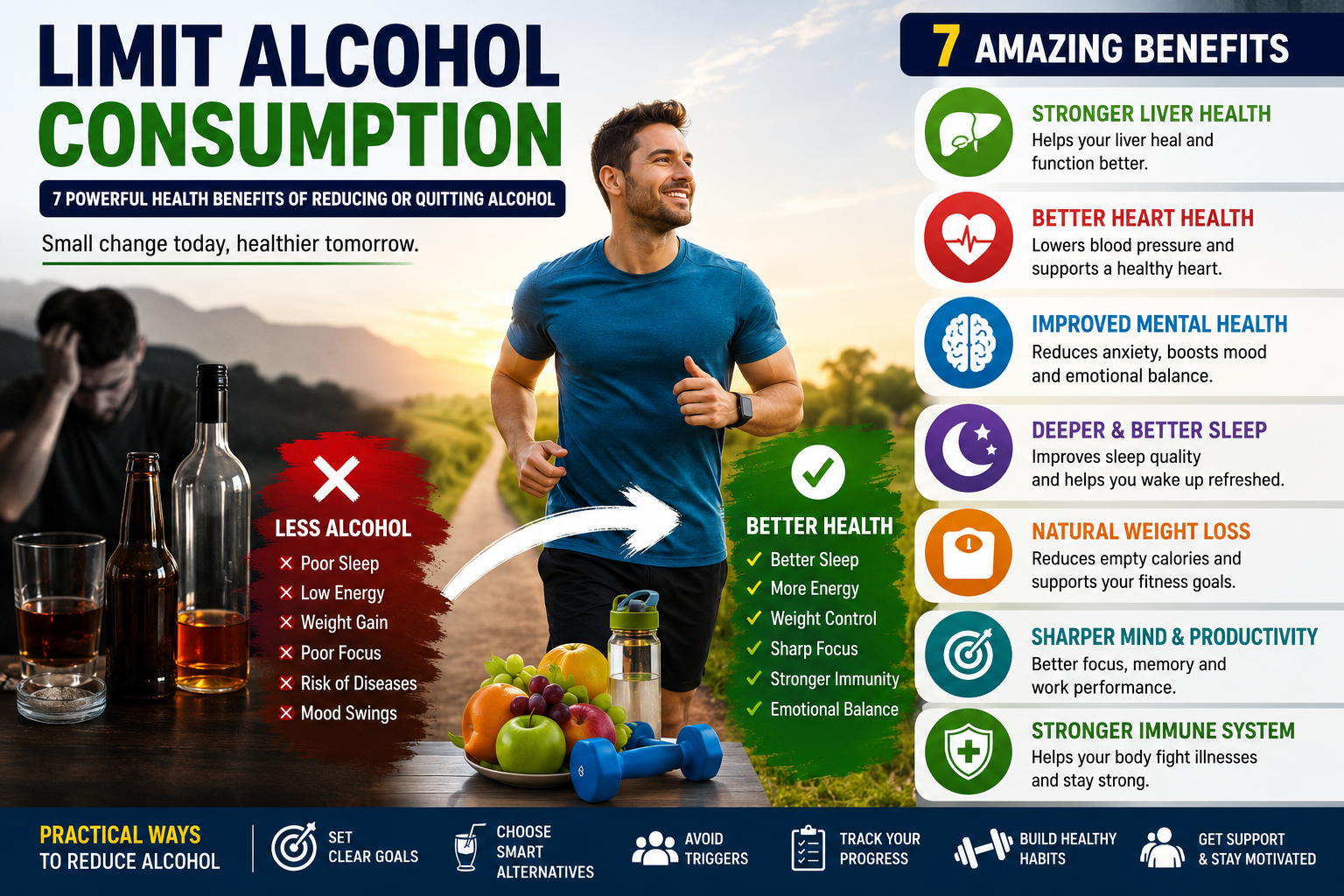
4. Limit or avoid harmful alcohol consumption for better health

Avoid harmful use of alcohol

There is no completely safe level for alcohol consumption, as even small amounts can negatively affect your health. Drinking alcohol can lead to serious physical and mental health issues, including dependence, behavioral changes, and mental disorders.

It is also linked to major chronic diseases such as liver damage (cirrhosis), heart problems, and certain types of cancer. In addition, alcohol use increases the risk of accidents, violence, and road traffic injuries, which can be life-threatening.

Avoiding or limiting alcohol intake is a key step toward protecting your long-term health and overall well-being.

5. Avoid smoking to protect your health

Don’t smoke

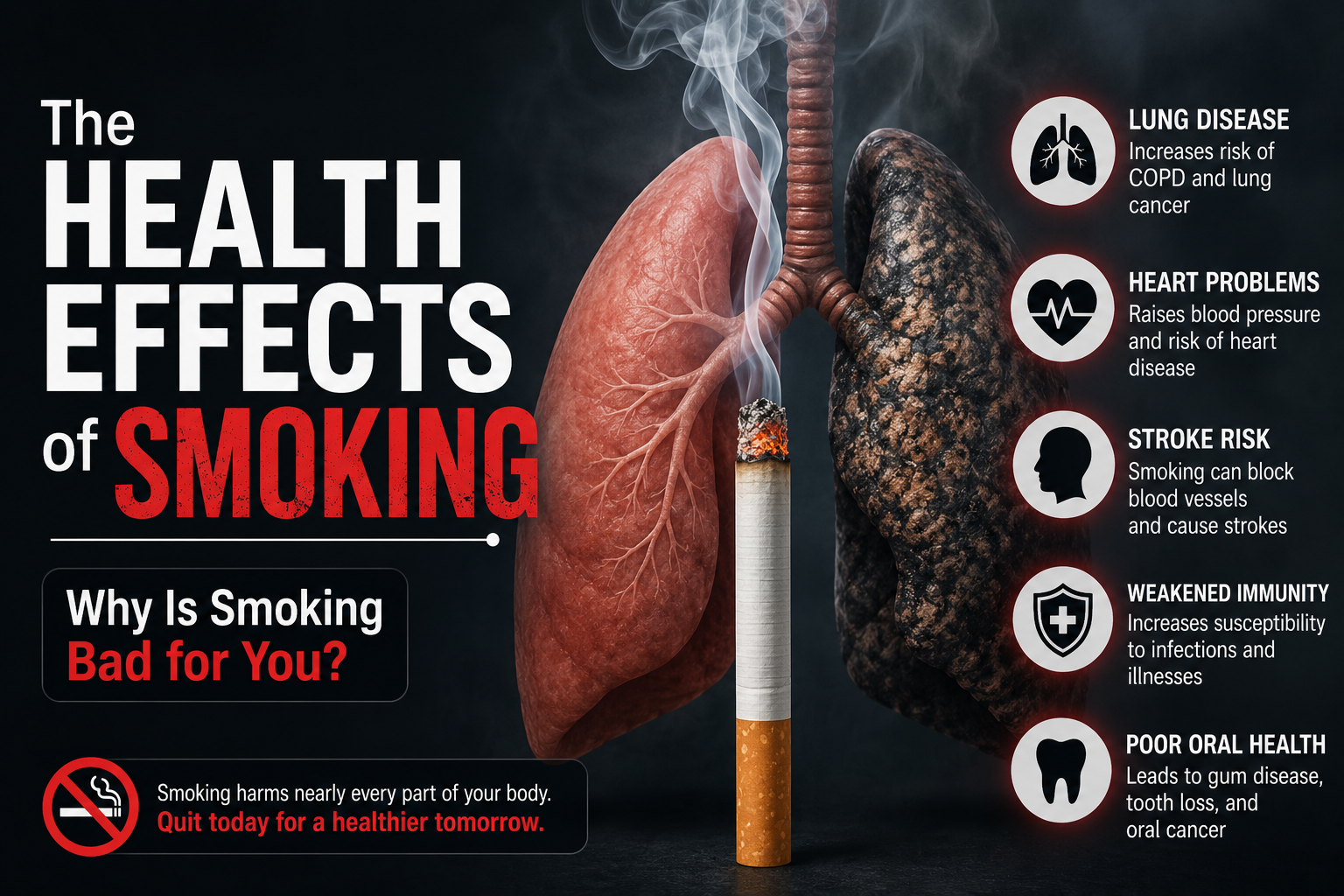
Smoking tobacco is one of the leading causes of serious non-communicable diseases, including lung disease, heart disease, and stroke. It not only harms smokers but also affects non-smokers through second-hand smoke exposure, which can be equally dangerous.

Millions of adults continue to use tobacco, but many of them are willing to quit and improve their health. If you are a smoker, it is never too late to stop. Quitting smoking brings immediate and long-term health benefits, including better breathing, improved heart health, and reduced disease risk.

If you do not smoke, it is important to stay away from tobacco completely and protect yourself from second-hand smoke. Choosing a smoke-free lifestyle helps you enjoy cleaner air and a healthier future.

6. Stay physically active for a healthier lifestyle

Be active

Physical activity means any movement of the body that uses energy, such as using your muscles during exercise, work, daily chores, walking, playing, or even traveling. It is not limited to gym workouts—every active movement counts toward a healthier life.

For adults aged 18 to 64, health experts recommend at least 150 minutes of moderate physical activity each week to maintain good health. For even greater benefits, increasing this to around 300 minutes per week can further improve fitness, energy levels, and overall well-being.

7. Monitor your blood pressure regularly for better health

Monitor your blood pressure regularly for better health

High blood pressure, also known as hypertension, is often referred to as a “silent killer” because it usually shows no obvious symptoms. Many people may have it without even realizing, which makes it especially dangerous.

If not controlled, hypertension can lead to serious health complications such as heart disease, stroke, kidney damage, and other long-term conditions. That’s why regular monitoring is essential to stay aware of your blood pressure levels.

Routine check-ups with a healthcare professional can help detect problems early. If your readings are high, seeking medical advice is important for proper management and prevention of further risks.


Regular physical activity helps strengthen the body, improve heart health, and reduce the risk of many lifestyle-related diseases.

8. Go for regular health check-ups and testing

Go for regular health check-ups and testing

Regular health testing is an important step in understanding your overall health, especially for conditions such as HIV, hepatitis B, sexually transmitted infections (STIs), and tuberculosis (TB). These illnesses can become serious if not diagnosed and treated in time.

Early detection helps you take the right action—either to continue protecting yourself or to start proper treatment and care if needed. This not only improves health outcomes but also prevents complications in the future.

You can visit a nearby public or private healthcare facility for testing, depending on your comfort. Taking this simple step can make a big difference in protecting your health and well-being.

9. Get Vaccinated for Better Protection

Get vaccinated

Vaccination is one of the safest and most effective ways to protect yourself from many serious diseases. It works by strengthening your body’s natural defense system, helping you build immunity against infections such as hepatitis B, influenza, measles, polio, tetanus, pneumonia, and several others.

Vaccines not only protect individuals but also help reduce the spread of diseases within the community. In many countries, including the Philippines, free vaccines are provided to infants as part of national immunization programs to ensure early protection.

For adolescents and adults, it is important to check your vaccination status with a healthcare professional. Staying updated with recommended vaccines helps maintain long-term health and prevents avoidable illnesses.

10. Practice Safe Sex for Better Health Protection

Practice safe sex

Maintaining good sexual health is an important part of your overall well-being. Practicing safe sex helps protect you from HIV and other sexually transmitted infections (STIs) such as gonorrhoea and syphilis.

You can reduce your risk by using protection like condoms, which help prevent the spread of HIV and other STIs. In addition, preventive options such as pre-exposure prophylaxis (PrEP) are also available to lower the risk of HIV infection.

Taking the right precautions and staying informed supports a healthier, safer, and more confident lifestyle.

11. Cover Your Mouth When Coughing or Sneezing

Cover your mouth when coughing or sneezing

Respiratory infections like influenza, pneumonia, and tuberculosis can spread easily through the air. When an infected person coughs or sneezes, tiny droplets carrying germs can reach others nearby and cause illness.

To reduce this risk, always cover your mouth and nose when you cough or sneeze. Use a tissue or face mask if available, and dispose of used tissues properly. If you don’t have a tissue, cough or sneeze into the inside of your elbow instead of your hands.

This simple habit helps prevent the spread of infections and keeps both you and others safer and healthier.

12. Prevent Mosquito Bites for Better Health Protection

Prevent mosquito bites

Mosquitoes are among the most dangerous insects as they spread serious illnesses such as dengue, malaria, chikungunya, and lymphatic filariasis, which still affect many people in different regions.

You can protect yourself and your family by taking simple but effective precautions. If you are traveling to areas where mosquito-borne diseases are common, consult a healthcare professional about necessary vaccines or preventive medicines.

Wear long-sleeved clothing and light-colored outfits to reduce exposure, and use mosquito repellents for added protection. At home, install window and door screens, sleep under mosquito nets, and keep your surroundings clean by removing standing water where mosquitoes can breed. These small steps can greatly reduce the risk of infection and help you stay safe.

13. Follow Traffic Laws for Safer Roads

Follow traffic laws

Road accidents claim over a million lives worldwide every year, while millions more suffer serious injuries. The good news is that most of these incidents can be prevented through proper safety measures and responsible behavior on the road.

Governments play an important role by enforcing traffic laws, improving road infrastructure, setting vehicle safety standards, and ensuring better emergency care after accidents. However, individuals also have a major responsibility in keeping roads safe.

You can help prevent accidents by always following traffic rules—wearing seat belts, using child restraints for kids, and wearing helmets when riding motorcycles or bicycles. Avoid driving under the influence of alcohol and never use your mobile phone while driving. Practicing these habits can save lives and make roads safer for everyone.

14. Drink Safe and Clean Water for Better Health

Drink only safe water

Using unsafe drinking water can lead to serious water-borne diseases such as cholera, diarrhea, hepatitis A, typhoid, and polio. Around the world, many people still rely on water sources that may be contaminated, which increases the risk of illness.

To protect your health, always make sure your drinking water comes from a trusted and clean source. If you are unsure about its safety, boil the water for at least one minute to kill harmful germs and bacteria. After boiling, allow it to cool naturally before drinking.

Taking these simple precautions helps prevent disease and ensures you and your family stay healthy and safe.

15. Breastfeed Babies from Birth up to 2 Years and Beyond

Breastfeed babies from 0 to 2 years and beyond

Breastfeeding is the most natural and nutritious way to feed newborns and infants, providing all the essential nutrients needed for healthy growth and development. Health experts recommend starting breastfeeding within the first hour after birth to give the baby the best possible start in life.

Exclusive breastfeeding for the first six months supports strong immunity and proper development. After that, continuing breastfeeding along with nutritious complementary foods up to two years or more offers additional health benefits for the child.

Breastfeeding is also beneficial for mothers. It helps reduce the risk of breast and ovarian cancer, type 2 diabetes, and can support emotional well-being by lowering the chances of postpartum depression.

16. Talk to Someone You Trust When You’re Feeling Down

Depresion

Depression is a common mental health condition that affects millions of people worldwide. It can show up in different ways, such as feeling constant sadness, emptiness, hopelessness, or struggling with negative thoughts and emotional pain.

If you are experiencing these feelings, it is important to remember that you are not alone and help is available. Talking to someone you trust—such as a family member, friend, or mental health professional—can provide comfort and support during difficult times.

If your feelings become overwhelming or you feel unsafe, reaching out for immediate help is very important. Support services and mental health hotlines are available to guide you and ensure you get the care you need.

17. Use Antibiotics Only as Prescribed

Take antibiotics only as prescribed

Antibiotic resistance is becoming one of the most serious global health challenges today. When antibiotics stop working effectively, common bacterial infections become harder to treat, which can lead to longer illnesses, higher medical expenses, extended hospital stays, and even life-threatening outcomes.

One of the main reasons for this problem is the improper and excessive use of antibiotics in both humans and animals. To protect their effectiveness, antibiotics should only be taken when prescribed by a qualified healthcare professional.

It is equally important to complete the full course of treatment as directed and never share antibiotics with others. Responsible use helps preserve their effectiveness and protects public health for the future.

18. Wash Your Hands Properly for Better Hygiene

Clean your hands properly

Hand hygiene is essential for everyone, not just healthcare workers, as it plays a major role in preventing the spread of infectious diseases. Clean hands help stop germs from spreading and reduce the risk of getting sick.

Wash your hands with soap and clean water whenever they are visibly dirty. If soap and water are not available, use an alcohol-based hand sanitizer to disinfect your hands effectively.

Practicing good hand hygiene regularly is a simple but powerful way to protect your health and keep infections under control.

19. Prepare Your Food Safely and Properly

Prepare your food correctly

Unsafe food contaminated with harmful bacteria, viruses, parasites, or chemicals can lead to more than 200 different illnesses, ranging from mild diarrhea to serious diseases like cancer. That’s why food safety is essential for protecting your health.

When purchasing food from markets or stores, always check labels and inspect products to ensure they are fresh and safe to consume. Proper handling during preparation is equally important to avoid contamination.

Follow these five key food safety practices: keep everything clean, separate raw and cooked foods, cook food thoroughly, store food at safe temperatures, and always use safe water and quality ingredients. These simple steps can significantly reduce the risk of foodborne diseases

20. Go for Regular Health Check-Ups

Have regular check-ups

Regular medical check-ups help detect potential health problems at an early stage, even before symptoms appear. Early diagnosis by healthcare professionals increases the chances of effective treatment and recovery.

By visiting your nearest health facility, you can access a range of services such as screenings, consultations, and necessary treatments. Staying proactive about your health ensures better prevention and long-term well-being.

Conclusion:

Living healthily is a continuous journey rather than a final destination. By choosing a balanced diet rich in fruits and vegetables, reducing your intake of salt and sugar, and staying physically active, you significantly lower the risk of chronic diseases and improve your overall quality of life.

It is also vital to remember that health is holistic. Protecting your mental well-being by talking to trusted individuals, staying up-to-date with vaccinations, and practicing proper hygiene are just as important as physical exercise. Whether it’s through regular medical check-ups or ensuring you drink safe water, every small proactive step builds the foundation for a longer, more vibrant, and fulfilling life. Start implementing these changes today for a better tomorrow.

Frequently Asked Questions (FAQs)

What are the best foods for a healthy diet?

A combination of fruits, vegetables, legumes, nuts, and whole grains is ideal for a balanced diet.

Limit salt to 5g (one teaspoon) and sugar to less than 50g (about 12 teaspoons) per day for adults.

Adults aged 18-64 should aim for at least 150 to 300 minutes of moderate-intensity activity throughout the week.

Read More Information: