Chest pain is a warning sign your body should never ignore. It can feel like pressure, tightness, burning, or sharp discomfort in the chest, and its causes range from minor issues like muscle strain or acid reflux to serious conditions such as a heart attack. Understanding chest pain symptoms & causes is essential because early recognition can make a life-saving difference.
In many cases, this discomfort may be linked to the heart, lungs, digestive system, or even anxiety, making proper identification important. Some people experience mild, temporary pain, while others may face severe discomfort that requires urgent medical attention. By recognizing key warning signs, possible triggers, and risk factors, you can respond quickly and seek the right care at the right time.
What is chest pain?
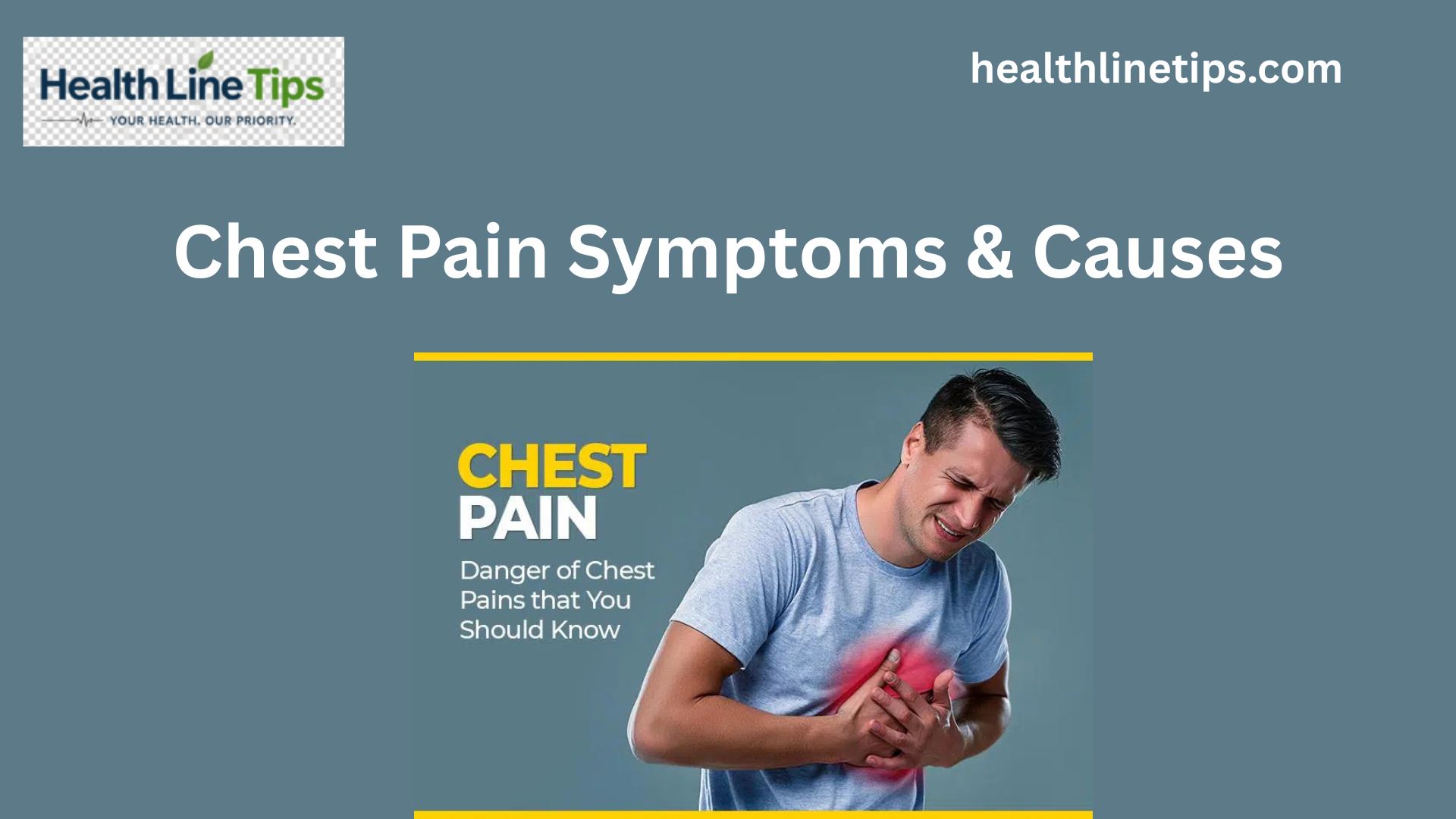
Chest pain is any discomfort felt in the chest, ranging from mild irritation to severe pressure. It may stay in one area or spread to the arms, neck, jaw, or back, and can feel sharp, burning, tight, or heavy.
It can last a few minutes or longer and may worsen with activity or appear even at rest. While chest pain is common and not always heart-related, it should never be ignored, as it can sometimes signal a serious condition. Seeking timely medical advice helps identify the cause and ensures proper treatment.
3 Types of Chest Pain That May Signal a Heart Attack
Chest pain can appear in different forms, ranging from a mild discomfort to a sharp, squeezing, or heavy sensation in the chest. Although it can be caused by various conditions, one of the most serious possibilities is a heart attack (myocardial infarction). Heart-related chest pain often follows certain patterns that should always be taken seriously.
1) Chest Pain During Physical Activity
This type of discomfort usually starts during physical effort like walking quickly, climbing stairs, or exercising. It happens when the heart needs more oxygen than the narrowed arteries can deliver. When the body is at rest, the heart’s oxygen demand is lower, so symptoms may not appear. However, as soon as activity increases, the heart works harder, which can trigger chest pain. In most cases, the discomfort improves once you stop and rest.

2) Chest Pain with Pressure or Tightness
Some people feel a heavy, tight, or crushing pressure in the chest that may last around 10 to 20 minutes. This pain can also move to other areas such as the arms, neck, shoulders, or jaw. It often indicates that the heart muscle is not getting enough oxygen-rich blood, and it should not be ignored.

3) Chest Pain at Rest
Chest pain that occurs even without any physical activity can be more alarming. It may suggest a serious blockage in the heart’s arteries. This type of pain is often accompanied by symptoms like sweating, shortness of breath, dizziness, or fainting. In such cases, immediate medical attention is very important.

Causes
Chest pain symptoms can vary widely depending on the underlying cause. Some people feel a mild discomfort, while others may experience intense or alarming sensations.
Common symptoms include:
- A feeling of pressure, heaviness, or tightness in the chest
- Sharp, stabbing, or burning pain
- Discomfort that spreads to the arms, shoulders, neck, jaw, or back
- Shortness of breath or difficulty breathing
- Nausea, sweating, or lightheadedness
- A fast or irregular heartbeat
In some cases, the pain may become worse with movement, coughing, or deep breathing, which is often linked to muscle or lung-related issues. Symptoms caused by digestive problems may feel like a burning sensation, especially after eating.
Recognizing these signs early can help you understand the severity of the condition and decide when to seek medical attention.
Symptoms
- Chest discomfort can arise from various causes, including issues related to the heart, lungs, digestive system, or the muscles and bones.
- The way the pain feels often depends on its root cause.
- Many people experience a sense of pressure or tightness in the chest.
- The pain may also be sharp, stabbing, or have a burning sensation.
- It can sometimes spread to areas like the arm, shoulder, jaw, or back.
- Additional symptoms may include difficulty breathing, nausea, dizziness, sweating, or an uneven heartbeat.
- Pain that increases with movement or deep breaths is often linked to muscle or rib problems.
- Paying close attention to these signs can help assess how serious the condition is and when medical care is needed.
Digestive causes
Chest pain is not always related to the heart or lungs; it can also originate from the digestive system. Several digestive conditions may cause discomfort that is felt in the chest area.
- Acid Reflux (GERD): This condition happens when stomach acid moves back up into the esophagus, the tube that connects the throat to the stomach. It commonly leads to a burning feeling in the chest, known as heartburn.
- Esophagus Disorders: Problems affecting the esophagus can make swallowing painful or difficult. In some cases, this discomfort may be experienced as chest pain.
- Gallbladder and Pancreatic Conditions: Disorders such as gallstones or inflammation of the gallbladder or pancreas can cause pain in the upper abdomen, which may radiate upward and be felt in the chest.
Care and Treatment
The management of chest pain varies according to its underlying cause and the level of severity involved.
Home Care & Lifestyle Changes (for mild or non-heart related causes)
- Give your body proper rest and avoid heavy physical work
- Use a warm compress or cold pack to help ease muscle pain in the chest
- Try relaxation methods like deep breathing, light meditation, or listening to calming music to reduce stress
- Avoid spicy, oily, or acidic foods that can trigger heartburn or acid reflux
Medical Treatments
- Heart-related chest pain: Doctors may prescribe medicines such as nitroglycerin, beta-blockers, or blood thinners. In serious cases, surgical treatment may be needed.
- Lung-related problems: Infections are often treated with antibiotics, while blood clots may require anticoagulant medications or other medical procedures.
- Digestive issues: Conditions like acid reflux are usually managed with antacids, proton pump inhibitors, and simple diet changes.
- Muscle or bone pain: Pain relievers, anti-inflammatory medicines, and physical therapy can help improve comfort and movement.
When to See a Doctor
You should get medical help right away if you notice any of the following signs:
- Sudden, intense, or pressure-like chest pain
- Pain that spreads to the arm, neck, jaw, or back
- Shortness of breath, excessive sweating, or feeling sick to your stomach
- Dizziness, fainting, or an irregular heartbeat
- Chest discomfort that doesn’t go away or keeps getting worse
Getting checked without delay is very important, especially if the pain could be related to the heart, as quick action can be life-saving.
Frequently Asked Questions (FAQs)
- Chest pain that may indicate a heart attack or other heart condition can appear in several ways, such as:
- A feeling of pressure, tightness, squeezing, or aching in the chest.
- Pain that spreads to the shoulder, arm, back, neck, jaw, teeth, or upper stomach.
- Shortness of breath or difficulty breathing.
- Unusual tiredness or fatigue.
- Heartburn-like discomfort or indigestion, cold sweating, feeling dizzy or lightheaded
Why Does Chest Pain Occur?
Chest pain can have many causes and is not always related to the heart. It may result from heart conditions like angina or a heart attack, as well as lung issues, acid reflux, muscle strain, or anxiety.
Sometimes, it can also indicate serious emergencies such as a pulmonary embolism or aortic dissection. That’s why severe or unexplained chest pain should always be checked by a doctor immediately.
Most Common Causes of Chest Pain
- Heart attack, caused by reduced blood flow to the heart
- Coronary artery disease (CAD), where the heart’s arteries become narrowed or blocked
- Coronary artery dissection, a tear in one of the heart’s arteries
- Pericarditis, which is inflammation of the sac surrounding the heart
- Hypertrophic cardiomyopathy, a condition where the heart muscle becomes abnormally thick
Conclusion:
Chest pain is a symptom that should never be ignored, as it can range from mild discomfort to a serious or even life-threatening condition. It may feel like pressure, tightness, burning, or sharp pain and can be caused by issues such as muscle strain, acid reflux, heart problems, or lung disease.
Understanding the symptoms, causes, and warning signs is important for early detection and proper treatment. Since chest pain can be linked to the heart, lungs, digestive system, or even stress and anxiety, a proper medical evaluation is needed to find the exact cause.
If chest pain is severe, sudden, spreads to other parts of the body, or comes with symptoms like shortness of breath, it should be treated as an emergency. Seeking timely medical help is the best way to ensure safety and prevent serious complications.
Read More Information:

Welcome to Health Line Tips! I’m Mazhar Hayyat, an AI-Powered SEO, and Content Writer with 4 years of experience. I help websites rank higher, get more traffic, and look amazing. My goal is to make SEO and web design simple and effective for everyone. Let’s achieve more together!