
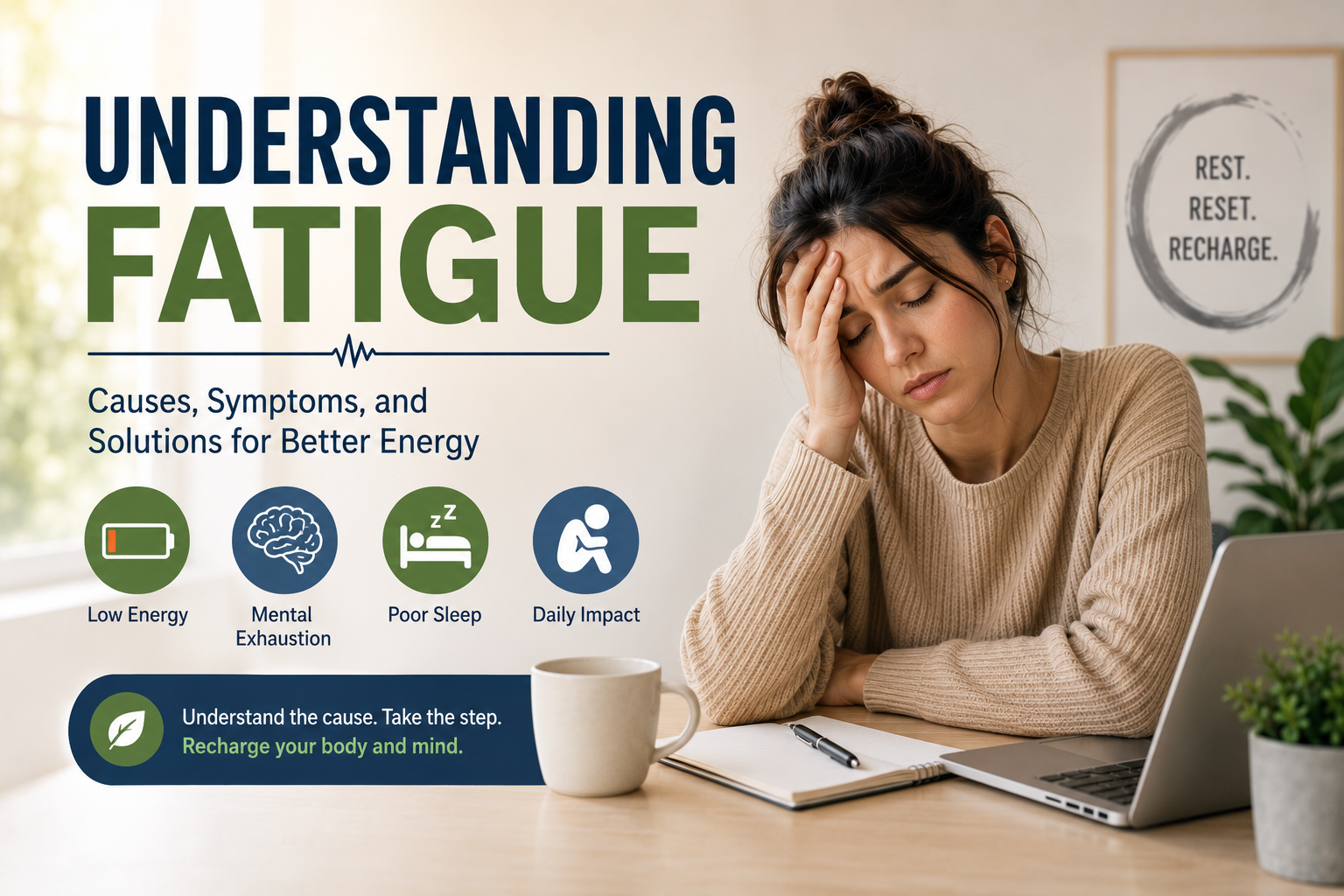
Fatigue is a common condition that causes extreme tiredness and reduced energy levels, making everyday tasks more difficult to complete. People with fatigue may feel weak, exhausted, and unable to stay active throughout the day. Recognising fatigue symptoms early is important because they can affect daily life, concentration, and overall health.
Many lifestyle habits and health conditions can lead to fatigue, including stress, poor sleep, unhealthy eating habits, and lack of physical activity. In some cases, improving sleep, maintaining a balanced diet, and getting regular exercise may help reduce fatigue. However, long-lasting fatigue may require medical attention to identify the underlying cause and receive proper treatment.
A Complete Guide to Fatigue
Fatigue is a condition that causes extreme physical and mental tiredness, making everyday activities difficult to perform. People with fatigue may find it hard to wake up in the morning, stay focused at work, complete daily tasks, or remain active throughout the day. Unlike normal tiredness, fatigue often continues even after proper rest or sleep, leaving a person feeling weak, exhausted, and low on energy for long periods.
People experiencing fatigue may also notice symptoms such as poor concentration, low motivation, anxiety, irritability, muscle weakness, and general body discomfort. Some individuals may experience tired eyes, stiff shoulders, heavy legs, or a constant feeling of burnout and uneasiness. Fatigue is usually considered a symptom rather than a medical condition and is commonly linked to stress, poor sleep, unhealthy lifestyle habits, or emotional and physical well-being issues.
Normal tiredness usually improves after rest, but fatigue can become persistent and affect overall quality of life. Chronic fatigue may reduce productivity, make daily responsibilities difficult, and negatively affect both physical and mental health. In some cases, severe fatigue may also increase the risk of accidents or indicate an underlying health problem. If fatigue continues despite healthy sleep, balanced nutrition, and regular physical activity, medical evaluation may be necessary to determine the possible cause.
Common Fatigue Symptoms
Fatigue symptoms can affect physical health, mental focus, and emotional well-being, making everyday activities more difficult to perform. Many people with fatigue experience constant tiredness, daytime sleepiness, low energy, headaches, dizziness, sore muscles, muscle weakness, and slower reactions. Fatigue may also reduce coordination, affect response time, and make decision-making or concentration more challenging during daily tasks.
Mental and emotional symptoms of fatigue may include irritability, mood changes, poor focus, blurry vision, memory problems, hallucinations, and low motivation. Some people may also experience appetite loss and reduced immune system function. These symptoms can continue for long periods and may interfere with work performance, social life, and overall quality of life.
Sleep Disorders and Fatigue
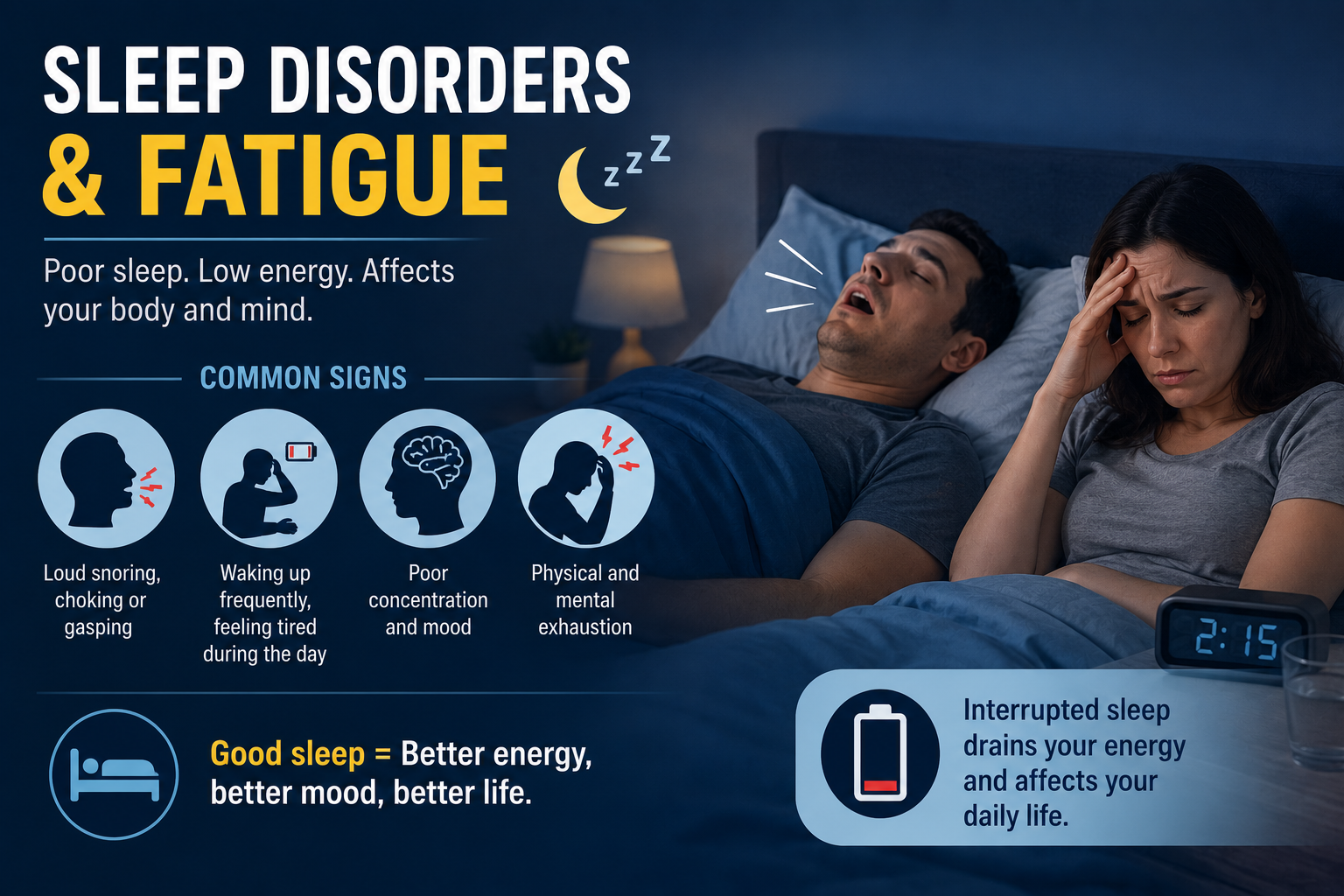
Sleep-related problems are one of the common causes of fatigue symptoms. Some individuals feel tired during the day because they wake up repeatedly at night or experience breathing difficulties while sleeping. Loud snoring, choking sounds, gasping, or snorting during sleep are commonly associated with sleep apnoea, a condition that can interrupt sleep and reduce energy levels during the day.
People affected by sleep apnoea often continue to feel exhausted even after several hours of sleep. Poor sleep quality can affect concentration, mood, and the ability to complete normal activities. Long-term sleep disturbances may contribute to both physical exhaustion and mental fatigue over time.
Iron Deficiency Anaemia and Fatigue
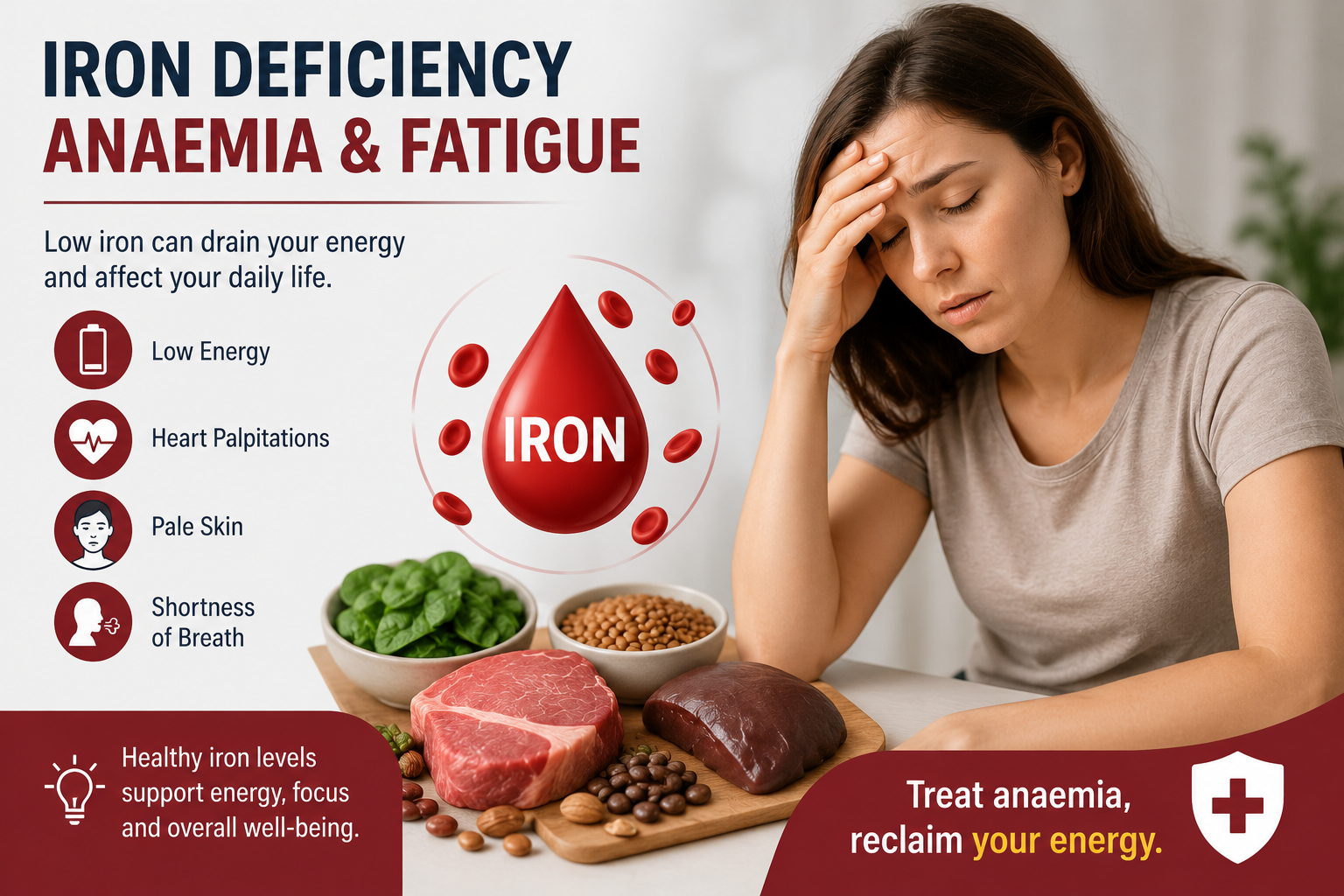
Fatigue is frequently linked with iron deficiency anaemia. Individuals with this condition may experience low energy levels, heart palpitations, pale skin, and shortness of breath. These symptoms can reduce physical strength and make routine activities feel more tiring and difficult to manage.
Low iron levels may also affect mental concentration and overall productivity. Constant tiredness caused by iron-deficiency anaemia can interfere with daily responsibilities and general well-being. Persistent fatigue related to anaemia may require medical evaluation and proper treatment.
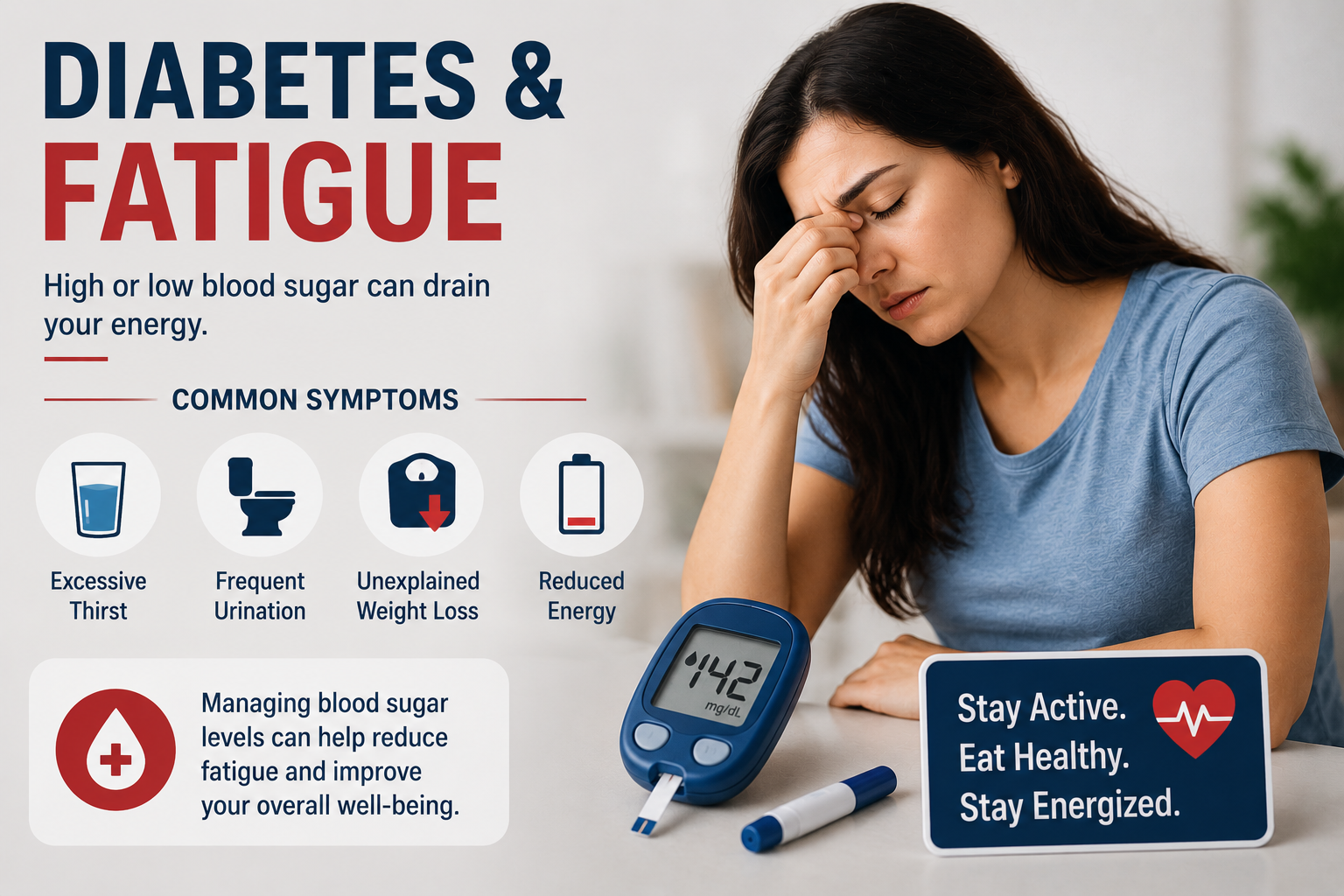
Diabetes-Related Fatigue Symptoms
People living with diabetes commonly experience fatigue and ongoing tiredness. Symptoms may include excessive thirst, frequent urination, especially during the night, unexplained weight loss, and reduced energy levels. These symptoms may disturb sleep and contribute to constant exhaustion during the daytime.
Fatigue associated with diabetes can make it harder to stay focused, active, and productive throughout the day. Some individuals may also experience weakness and difficulty performing regular activities. Proper management of blood sugar levels may help reduce fatigue symptoms and improve overall health.
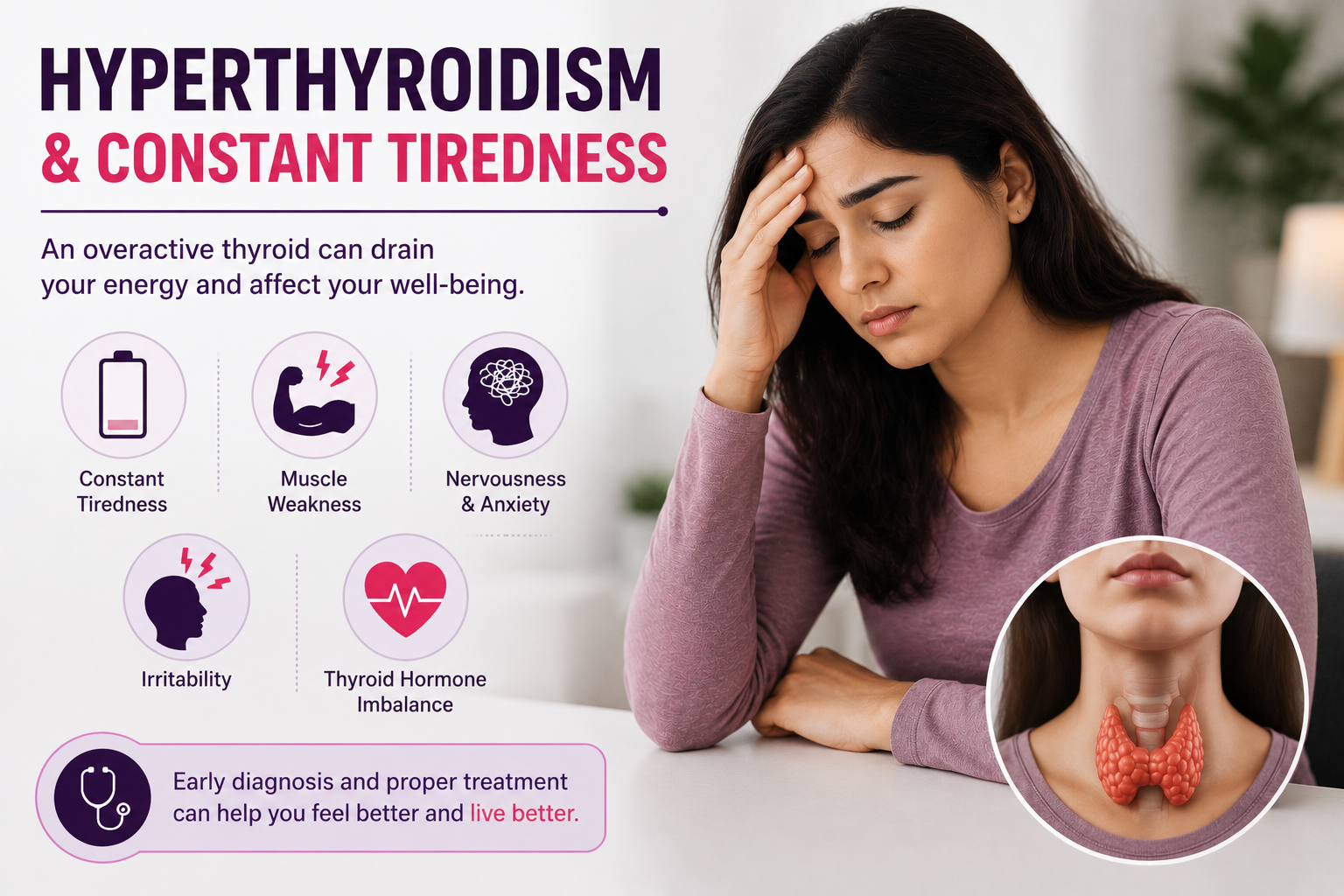
Hyperthyroidism and Constant Tiredness
An overactive thyroid, also known as hyperthyroidism, may lead to ongoing fatigue and muscle weakness. People with this condition may feel nervous, anxious, irritable, and unable to relax or remain still. Constant tiredness and weakness are commonly linked with thyroid hormone imbalance.
Fatigue caused by hyperthyroidism can affect emotional well-being, concentration, and daily performance. Low energy levels combined with anxiety and irritability may make normal tasks more difficult to manage. Long-lasting symptoms may require medical attention to identify and manage the thyroid condition properly.
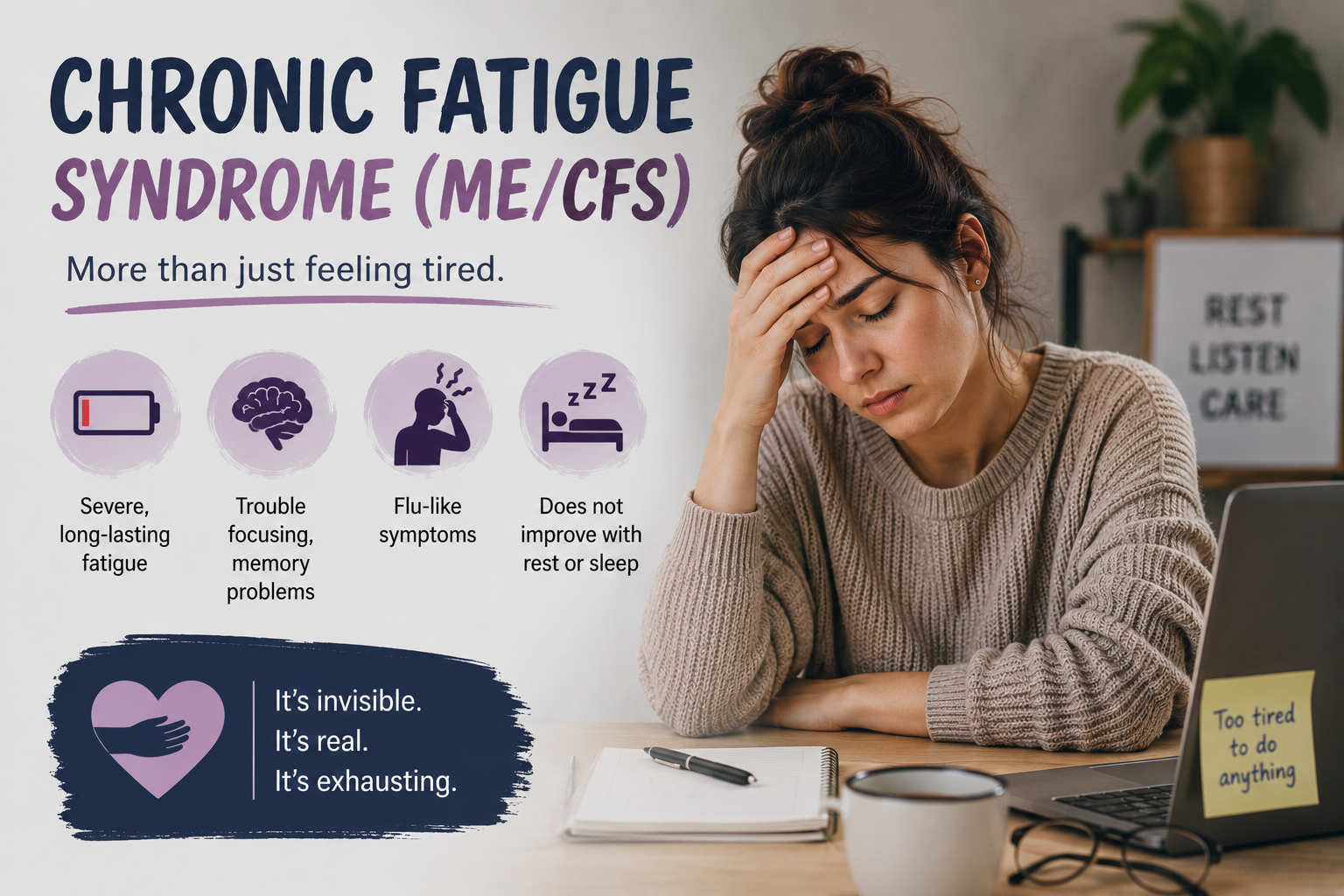
Chronic Fatigue Syndrome and Exhaustion
Myalgic encephalomyelitis, also known as chronic fatigue syndrome (ME/CFS), is associated with severe fatigue that can continue for three months or longer. This condition may make everyday tasks extremely difficult and can affect thinking ability, memory, and concentration. Some individuals may also experience flu-like symptoms along with persistent exhaustion.
Chronic fatigue syndrome can limit a person’s ability to work, stay active, or manage daily responsibilities. Unlike ordinary tiredness, the exhaustion often remains constant and does not fully improve with rest or sleep. Long-term fatigue may significantly affect physical health, mental well-being, and overall quality of life.
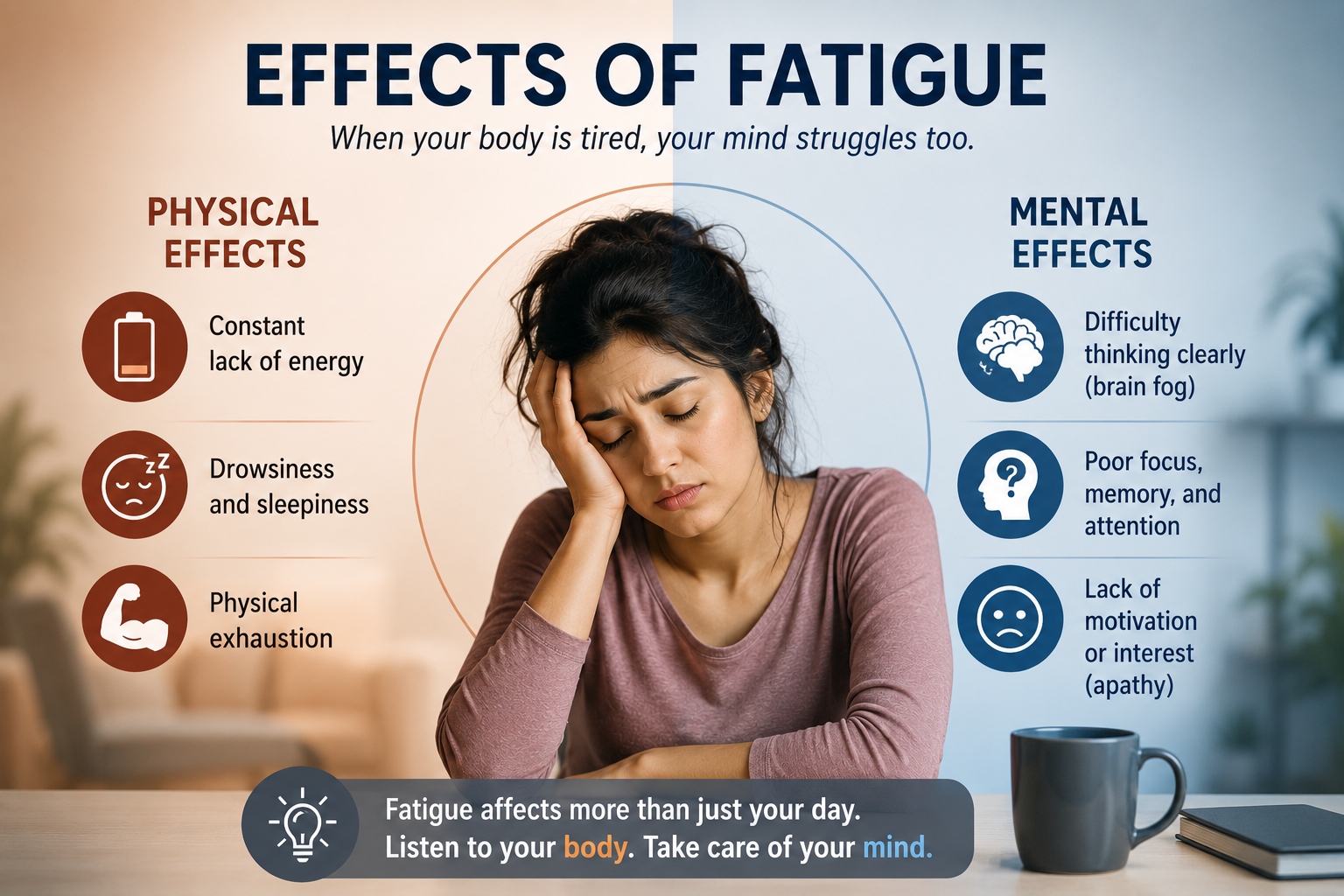
Physical and Mental Effects of Fatigue
Fatigue may feel different from person to person depending on how it affects the body and mind. Many individuals experience a constant lack of energy that causes physical and mental exhaustion, making work, social activities, and daily responsibilities harder to complete. Some people also experience drowsiness and feel sleepy even after resting.
Fatigue can also lead to difficulty thinking clearly, often described as brain fog. People may struggle with focus, memory, and attention to detail. In some cases, fatigue may cause apathy, where a person loses interest or motivation to participate in normal activities or responsibilities.
Common Causes of Fatigue
Fatigue can happen for many different reasons. It may be temporary or continue for a long time. Many health conditions, medicines, and lifestyle habits can lead to constant tiredness and low energy. In some cases, fatigue may improve with better sleep, healthy eating, regular exercise, or lifestyle changes. However, ongoing fatigue may need medical care to find the exact cause.
Lifestyle Causes of Fatigue
Certain lifestyle habits can increase the risk of fatigue. Poor diet, stress, burnout, lack of exercise, alcohol use, drug use, and jet lag may all lead to low energy levels. A sedentary lifestyle can also make people feel weak and tired throughout the day.
Poor sleep habits are another common reason for fatigue. Too little sleep, poor-quality sleep, or too much sleep can affect both physical and mental health. An uncomfortable sleeping environment, loud noise, or interrupted sleep may also increase tiredness.
Sleep Disorders and Fatigue
Some sleep disorders can cause severe and long-term fatigue. Conditions such as insomnia, sleep apnoea, narcolepsy, and shift work sleep disorder may stop the body from getting proper rest. People with these conditions may continue to feel tired even after sleeping for several hours.
Shift work can also disturb the body’s natural sleep cycle. Working during nighttime hours may confuse the body clock and reduce sleep quality, leading to tiredness and poor concentration during the day.
Medicines and Treatments
Some prescription medicines may cause fatigue as a side effect. These include medications used for anxiety, sleep problems, mental health conditions, seizures, and pain relief. Certain heart medicines may also lower energy levels in some people.
Other treatments and medicines may also cause tiredness. Chemotherapy, bone marrow transplants, and some over-the-counter medicines such as antihistamines can lead to weakness and exhaustion.
Infections That Cause Fatigue
Many infections can make people feel weak and tired. Conditions such as COVID-19, influenza, pneumonia, HIV, mononucleosis, and Lyme disease are common examples. The body may use more energy to fight infections, which can lead to exhaustion.
Fatigue caused by infections may last for days or weeks, depending on the illness. In some cases, people may continue to feel tired even after other symptoms improve.
Heart and Lung Conditions
Fatigue is a common symptom of heart and lung diseases. Conditions such as heart disease, congestive heart failure, COPD, emphysema, and POTS may reduce oxygen supply and energy levels in the body.
People with these conditions may also experience shortness of breath, weakness, and difficulty doing daily activities. Ongoing tiredness linked with heart or lung problems may require medical treatment.
Mental Health and Fatigue
Mental health conditions can strongly affect energy levels and daily life. Depression, anxiety, and post-traumatic stress disorder (PTSD) are common causes of fatigue. These conditions may make it difficult to focus, stay motivated, or complete normal tasks.
Stress and emotional pressure can also lead to mental and physical exhaustion. Long-term stress at home or work may increase feelings of tiredness and burnout.
Autoimmune Diseases
Many autoimmune diseases can cause ongoing fatigue. Conditions such as lupus, rheumatoid arthritis, multiple sclerosis, type 1 diabetes, myasthenia gravis, and Sjögren’s syndrome may lead to weakness and low energy.
These conditions affect the immune system and may cause inflammation in different parts of the body. Fatigue linked with autoimmune diseases can become long-lasting and difficult to manage.
Hormone Problems
Hormonal imbalance is another common cause of fatigue. Problems with the endocrine system, especially hypothyroidism, may slow down body functions and reduce energy levels.
People with hormone problems may also experience weakness, mood changes, and poor concentration. Proper treatment may help improve fatigue symptoms.
Chronic Health Conditions
Some long-term medical conditions can cause severe fatigue. Cancer, chronic fatigue syndrome, fibromyalgia, kidney disease, and type 2 diabetes are common examples. These conditions may affect both physical strength and mental well-being.
Chronic fatigue may make daily activities harder to manage and reduce the quality of life. Long-lasting tiredness should not be ignored, especially if it affects normal routines.
Vitamin Deficiencies
Low levels of important vitamins and minerals may cause fatigue. Anaemia, vitamin D deficiency, vitamin B12 deficiency, and dehydration are common reasons for low energy and weakness.
The body needs enough nutrients and fluids to work properly. Poor nutrition or dehydration may lead to tiredness, dizziness, and reduced concentration.
Weight and Eating Disorders
Weight problems and eating disorders can also lead to fatigue. Conditions such as anorexia, bulimia, obesity, and being underweight may affect energy levels and overall health.
Poor eating habits may stop the body from getting enough nutrients. This can lead to weakness, low motivation, and long-term tiredness.
Workplace Causes of Fatigue
Work-related problems may also increase fatigue. Long working hours, hard physical work, rotating shifts, and stressful work environments can reduce energy and affect sleep quality.
Job pressure, workplace conflict, boredom, bullying, and lack of job security may also lead to stress and burnout. Long-term workplace stress can affect both mental and physical health.
Personal and Daily Life Factors
Personal problems and daily responsibilities may also cause fatigue. Family illness, injuries, financial stress, and too many commitments can make people feel mentally and physically exhausted.
Balancing work, home life, and personal stress may become difficult over time. These factors can reduce motivation, increase stress, and lead to ongoing fatigue symptoms.
Main Types of Fatigue
Lifestyle-Related Fatigue
Lifestyle-related fatigue is one of the most common types of fatigue and is often caused by poor daily habits. Lack of sleep, unhealthy eating, too much physical activity, stress, and an inactive lifestyle can all reduce energy levels and make the body feel tired. This type of fatigue is usually temporary and may improve with healthy lifestyle changes.
Getting enough sleep, eating nutritious foods, staying physically active, and reducing stress can help restore energy and improve overall well-being. In many cases, simple daily routine changes are enough to reduce fatigue symptoms naturally.
Fatigue Caused by Medical Conditions
Secondary fatigue is linked to an underlying medical condition and may continue for several weeks or months. People with this type of fatigue often feel weak, exhausted, and unable to complete normal activities. Low energy levels may continue until the health condition is properly treated or managed.
This type of fatigue can affect both physical and mental health. Proper medical care and treatment of the underlying condition may help improve energy levels and reduce ongoing tiredness over time.
Long-Term Chronic Fatigue
Chronic fatigue is a long-lasting type of fatigue that continues for more than six months. Unlike normal tiredness, it usually does not improve with rest or sleep. People with chronic fatigue may experience constant exhaustion that affects daily life, work performance, and mental focus.
Long-term fatigue may be linked with chronic illnesses or other medical conditions. Ongoing tiredness and weakness can reduce quality of life and make normal daily responsibilities difficult to manage.
Sudden Loss of Energy
Sudden fatigue can happen without warning and may cause a rapid drop in energy levels. Many people describe this feeling as suddenly “hitting a wall” where the body becomes extremely weak or exhausted within a short time.
This type of fatigue may happen after intense physical activity, infections, or chronic health conditions such as multiple sclerosis. Sudden tiredness can make daily tasks harder and may affect concentration and physical strength.
Muscle Weakness and Fatigue
Muscle fatigue causes the muscles to feel weak, heavy, and tired during physical activity. Even simple tasks may require extra effort, and the body may feel sore or exhausted after normal movement.
Hard exercise is a common reason for muscle fatigue, but it may also happen due to certain medical conditions such as cancer or stroke. Muscle weakness and low energy can affect physical performance and daily activities.
Feeling Tired After Eating
Some people experience fatigue after eating meals, especially after consuming large amounts of carbohydrates or protein. Mild sleepiness after eating can be normal, but constant tiredness after meals may be related to certain health conditions.
Conditions such as diabetes, anaemia, celiac disease, or food allergies may contribute to extreme tiredness after eating. Frequent fatigue after meals may need medical evaluation to identify the possible cause.
Fatigue After COVID-19
COVID-19 fatigue is a common symptom that may continue even after recovery from illness. Many people feel weak, low on energy, and more dependent on rest during the recovery period.
In some cases, fatigue may continue for weeks or longer as part of long COVID symptoms. Ongoing tiredness after COVID-19 can affect daily routines, physical activity, and overall health.
Pregnancy and Fatigue
Fatigue during pregnancy is very common, especially during the early months. Hormonal changes, increased body weight, sleep problems, and low iron levels may all contribute to tiredness during pregnancy.
The body also works harder during pregnancy, which can increase heart rate and breathing rate. Some women may continue to experience fatigue throughout different stages of pregnancy, depending on their overall health and physical condition.
Fatigue Care and Treatment
To diagnose fatigue, a healthcare provider may ask about sleep patterns, eating habits, stress, medications, and daily activities. A physical examination may also be performed to identify possible health problems. Blood tests, urine tests, or other medical tests may be used to check for conditions such as anaemia, diabetes, infections, vitamin deficiencies, or thyroid disorders.
Fatigue treatment depends on the main cause of the problem. If a medical condition is causing low energy levels, proper treatment may help improve symptoms. Treatment may include medication, therapy, exercise, or lifestyle changes. In some cases, changing a medication that causes tiredness may also help reduce fatigue.
Improving Sleep to Reduce Fatigue
Getting enough quality sleep is one of the most important ways to reduce fatigue naturally. Most adults need around seven to nine hours of sleep every night to maintain healthy energy levels. Poor sleep habits, irregular sleep schedules, caffeine, alcohol, and screen time before bed may increase daytime tiredness.
Sleeping and waking up at the same time each day may improve sleep quality and support better energy levels. Avoiding caffeine later in the day, reducing daytime naps, and creating a quiet sleeping environment may also help improve rest and reduce fatigue symptoms.
Healthy Eating and Proper Hydration
A balanced diet plays an important role in maintaining energy throughout the day. Eating healthy foods such as fruits, vegetables, whole grains, and nutritious meals may help reduce tiredness and support overall health. Drinking enough water is also important because dehydration can lead to weakness and low energy.
Large meals and foods high in sugar may increase tiredness in some people. Eating smaller meals more often may help maintain stable energy levels. Limiting alcohol and unhealthy foods may also improve physical health and reduce fatigue.
Physical Activity and Energy Levels
Regular exercise may help improve strength, fitness, and energy levels. Physical activity can also reduce stress and support mental well-being. Light activities such as walking, stretching, yoga, and regular movement may help reduce fatigue over time.
Although exercise is helpful, too much physical activity may also lead to exhaustion and muscle fatigue. Finding the right balance between rest and exercise is important for maintaining healthy energy levels.
Stress Relief and Mental Well-being
Long-term stress can affect sleep, mood, and overall energy levels. Managing stress may help improve fatigue symptoms and support emotional health. Relaxation techniques such as meditation, mindfulness, yoga, tai chi, and taking breaks during the day may help reduce stress and mental exhaustion.
Reading, spending time with supportive people, and staying socially connected may also improve mental well-being. Some individuals may benefit from counselling or cognitive behavioural therapy (CBT) to help manage stress and fatigue.
Medical Care for Ongoing Fatigue
If fatigue continues even after healthy lifestyle changes, medical support may be needed. A healthcare provider may look for hidden medical conditions or review medications that could be causing low energy levels. Fatigue may sometimes be linked to sleep disorders, chronic illnesses, or mental health conditions.
Treatment for ongoing fatigue may include therapy, medications, exercise programs, or other medical treatments based on the underlying cause. People with sleep conditions such as insomnia may also need treatment to improve sleep quality and reduce daytime tiredness.
Lifestyle Changes for Better Energy
Healthy lifestyle habits may help improve energy levels and reduce fatigue symptoms over time. Maintaining a healthy weight, eating nutritious foods, exercising regularly, and avoiding smoking, alcohol, and harmful substances may support both physical and mental health.
Simple daily habits can make a positive difference in reducing tiredness and improving overall well-being. Consistent healthy routines may help the body feel more active, refreshed, and energetic throughout the day.
When to See a Doctor for Fatigue
Occasional tiredness is common and may happen because of poor sleep, illness, travel, medication changes, or changes in daily routine. However, ongoing fatigue that does not improve should not be ignored. Medical advice may be needed if fatigue continues for several days, starts suddenly without a clear cause, affects daily activities or work performance, or occurs with unexpected weight loss. People over 65 years of age should also speak with a healthcare provider if they regularly experience weakness, low energy, or constant tiredness.
In some cases, fatigue can be connected to a serious medical problem, especially when other symptoms are also present. Immediate medical attention may be necessary if fatigue happens along with chest pain, breathing difficulty, irregular heartbeat, very fast or slow heart rate, severe headache, vision changes, nausea, vomiting, stomach pain, or muscle weakness. Fatigue combined with thoughts of self-harm or harming others should always be treated as an emergency condition.
Frequently Asked Questions (FAQs)
1. What Is the Leading Cause of Fatigue?
In many cases, fatigue is caused by lifestyle habits such as poor sleep, lack of exercise, or unhealthy routines. It may also be linked to certain medications, depression, or medical conditions that require proper treatment.
2. How Does Fatigue Feel?
Fatigue is a constant feeling of extreme tiredness and low energy that does not fully improve with rest or sleep. Many people describe it as feeling physically, mentally, or emotionally drained, as if their body is heavy or completely out of energy. Unlike normal tiredness, fatigue can interfere with daily activities and make simple tasks harder to complete.
3. Which Vitamins Help Reduce Fatigue?
Vitamin B12 is commonly known for helping reduce tiredness and fatigue. This important vitamin supports energy production in the body and may help improve both physical and mental energy levels.
Conclusion:
Fatigue is a common condition that causes ongoing physical and mental tiredness, affecting energy levels, concentration, and daily activities. It can develop due to poor sleep, stress, unhealthy lifestyle habits, medical conditions, or long-term health problems. Understanding fatigue symptoms, causes, and treatment options is important for improving overall well-being. Healthy habits such as proper sleep, balanced nutrition, regular exercise, stress management, and medical care when needed may help reduce fatigue and restore energy levels over time.
Read more information:
Fatigue Symptoms, Causes, Types, and Treatment
Body Pain Causes & Treatment
How to Lose Weight at Home Naturally

Welcome to Health Line Tips! I’m Mazhar Hayyat, an AI-Powered SEO, and Content Writer with 4 years of experience. I help websites rank higher, get more traffic, and look amazing. My goal is to make SEO and web design simple and effective for everyone. Let’s achieve more together!