
Fitness and Exercise: Training Tips, and at home
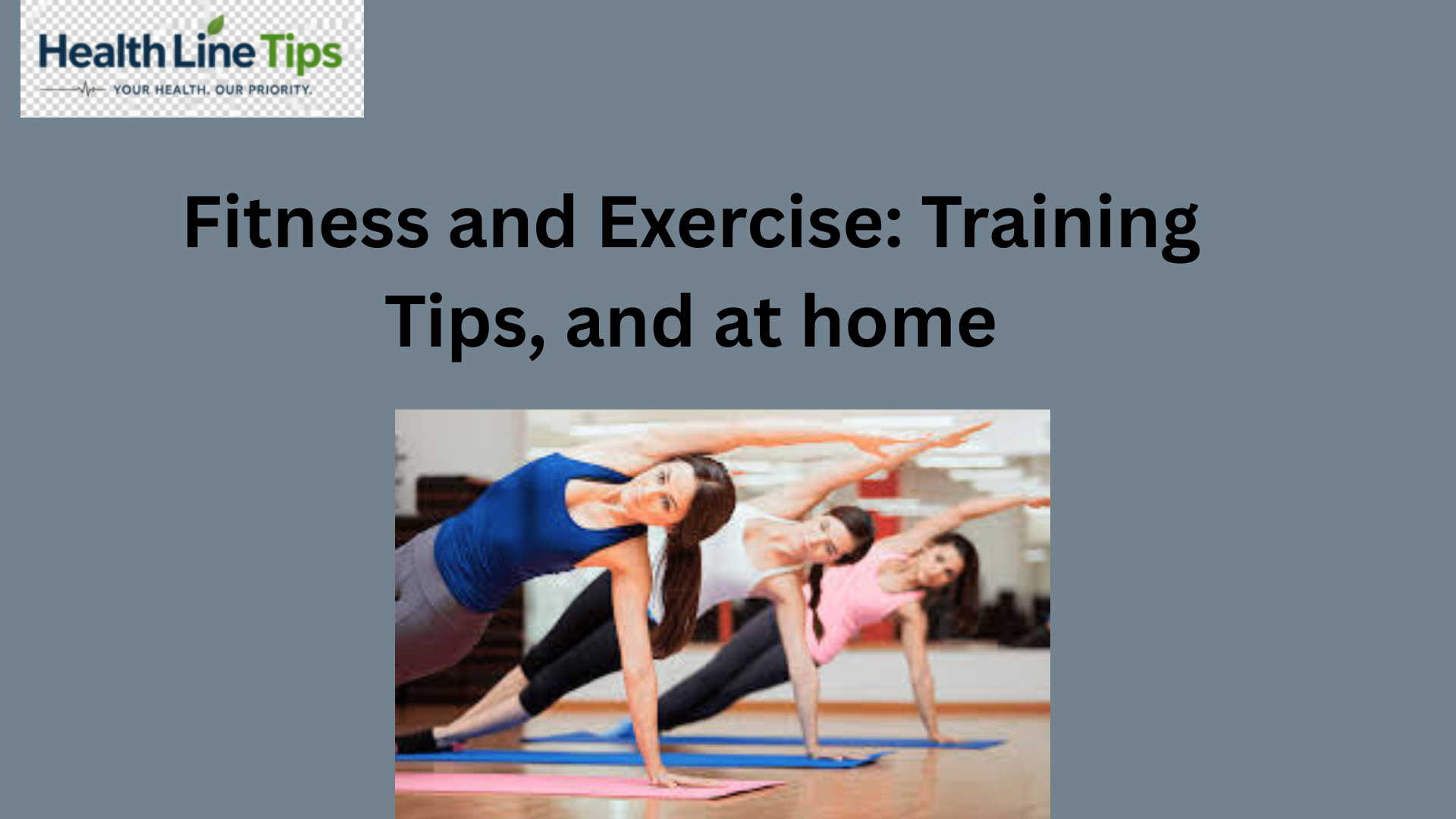
Fitness and exercise are important for maintaining a healthy body and mind. Whether your goal is weight loss, better energy, or improved overall health, simple at-home workouts and healthy habits can make a big difference. You do not need a gym to stay active — walking, stretching, cardio, and bodyweight exercises are effective ways to improve fitness from home.
Setting realistic fitness goals and staying consistent is the key to success. Even 20 to 30 minutes of daily exercise can help reduce the risk of heart disease, obesity, and diabetes while improving strength and mental well-being. Make fitness a part of your lifestyle and enjoy long-term health benefits.
What Do You Want to Know About Fitness and Exercise?
At least once a year, many people decide to start an exercise routine, but staying consistent can be challenging—and that’s completely normal. The important thing is not giving up, because there are always strong reasons to begin again and stick with a healthier lifestyle.
Everyone loses motivation at some point, but if fitness matters to you, it’s never too late to restart. Even a short workout can fit easily into your day—sometimes in less time than it takes to scroll social media or watch a TV episode. You can even stay active while watching television or doing simple daily activities.
Health experts like the American Council on Exercise (ACE) and the Centers for Disease Control and Prevention (CDC) recommend at least 150 minutes of moderate exercise per week to improve heart health and reduce the risk of chronic diseases. The best part is that you can divide this time however it suits your routine.
The key is to start today, stay consistent, and slowly make exercise a natural part of your daily life.
Set a SMART Fitness Goal
According to the American Council on Exercise (ACE), a SMART goal is one that is:
- Specific
- Measurable
- Achievable
- Relevant
- Time-bound (with a clear deadline)
Setting clear goals gives your fitness journey direction and structure. It also helps you stay motivated as you achieve small milestones along the way. However, it’s important that your goals are realistic. Unachievable targets often lead to frustration and quitting.
For example, instead of forcing yourself to work out 30 minutes every single day, start with a schedule that fits your routine—such as two or three days a week—and gradually increase your workout time. This approach is more sustainable and still helps you reach the recommended 150 minutes of weekly exercise.
Increase Daily Movement
Health experts, including the CDC, encourage people to aim for around 10,000 steps per day, which is roughly five miles. Reaching this level of activity classifies you as “active,” while higher step counts can make you “highly active.”
Even if weight loss is not your main goal, increasing your daily movement is important for maintaining good health, boosting energy, and improving overall fitness.
Make Fitness a Lifestyle
One common mistake is treating fitness as a short-term challenge instead of a long-term habit. Many people work hard to reach a goal but stop exercising once they achieve it. This often leads to weight gain and health issues over time.
Instead, fitness should be seen as a daily lifestyle choice. Regular physical activity not only helps with short-term weight control but also provides long-term health benefits, including a reduced risk of:
- High blood pressure
- Diabetes
- Heart disease
- Obesity
Staying active improves overall well-being, and it’s never too late to make exercise a permanent part of your life.
30 Effective Exercises for the Ultimate At-Home Workout
Beginner, Intermediate, and Advanced At-Home Workout Guide
Home workouts are one of the easiest and most effective ways to stay fit without going to the gym. You can improve strength, burn calories, and support overall health using simple bodyweight exercises like squats, pushups, lunges, planks, and yoga movements. These exercises require little to no equipment, making them perfect for anyone who wants to exercise at home.
At-home fitness routines are ideal for people with busy lifestyles because they are flexible, affordable, and time-saving. Whether you are a beginner starting your fitness journey or someone looking to improve endurance and muscle strength, bodyweight training can help boost flexibility, balance, heart health, and energy levels. Regular physical activity may also help reduce the risk of obesity, diabetes, and high blood pressure.
This complete home workout guide features 30 effective exercises for beginner, intermediate, and advanced fitness levels. Start with basic movements, focus on proper form, and gradually increase workout intensity over time. Even a quick 20-minute workout at home can help improve your fitness and support a healthier lifestyle when done consistently.
Beginner At-Home Workout Routine
These easy beginner exercises are perfect for building strength, improving balance, and increasing flexibility at home. Complete 2 sets of 10 to 15 repetitions for each movement to create a simple full-body workout routine.
1. Glute Bridge
Helps strengthen the glutes, core, and lower back muscles while improving hip mobility.
2. Chair Squats
A beginner-friendly squat variation that builds leg strength and improves body posture.
3. Knee Pushups
An effective modified pushup that develops upper-body and arm strength.
4. Static Lunges
Targets the thighs, hamstrings, and glute muscles for better lower-body stability.
5. Plank to Downward Dog
Works the shoulders, arms, core, and improves overall flexibility.
6. Donkey Kicks
A simple bodyweight exercise that tones and activates the glute muscles.
7. Bird Dog Exercise
Improves core stability, posture, coordination, and balance.
8. Forearm Plank
Strengthens the abdominal muscles, back, and overall core stability.
9. Side Leg Raises
Helps strengthen the hips and supports lower-body movement and balance.
10. Bicycle Crunches
A powerful core workout that targets the abdominal and oblique muscles.
Intermediate At-Home Workout Routine
After mastering beginner exercises, you can progress to intermediate home workouts that increase strength, endurance, and overall fitness. These exercises challenge multiple muscle groups and help improve balance, flexibility, and core stability.
11. Bridge March
Enhances balance, activates the glutes, and improves core control.
12. Bodyweight Squats
Strengthens the legs, glutes, and lower body while improving endurance.
13. Regular Pushups
Builds upper-body strength by targeting the chest, shoulders, and arms.
14. Forward and Reverse Lunges
Improves leg strength, mobility, balance, and flexibility.
15. Pike Pushups
Focuses on shoulder development and upper-body muscle strength.
16. Kneeling Squats
Keeps constant tension on the lower body for better muscle engagement.
17. Superman Workout
Strengthens the lower back, glutes, and posterior muscles.
18. Plank with Leg Raises
Challenges the core while improving balance and stability.
19. Side Plank with Leg Lift
Targets the core, hips, glutes, and shoulder muscles together.
20. Dead Bug Exercise
An effective core exercise that improves abdominal strength and coordination.
Advanced Home Workout Exercises
These exercises are ideal for experienced fitness enthusiasts looking for a challenge.
21. Single-Leg Bridge
Improves balance and lower-body strength.
22. Overhead Squat
Enhances mobility, flexibility, and full-body coordination.
23. One-Leg Pushup
A challenging upper-body strength exercise.
24. Jumping Lunges
Boosts cardio fitness and explosive power.
25. Elevated Pike Pushup
Advanced shoulder and upper-body workout.
26. Kneeling Squat with Jump
Improves lower-body power and endurance.
27. Advanced Bird Dog
Strengthens the core while improving balance.
28. One-Leg Forearm Plank
A more difficult variation of the classic plank.
29. Side Plank with Leg Lift
Targets the core, hips, and glutes.
30. Hollow Hold to Jackknife
An intense abdominal and core-strengthening movement.
Frequently asked questions
1. Are 20-Minute Home Workouts Effective?
Yes, a 20-minute home workout is definitely better than doing no exercise at all. However, relying only on short sessions may not always be enough to meet your weekly fitness needs.
According to the Physical Activity Guidelines for Americans, adults should aim for at least 150 minutes of moderate-intensity exercise or 75 minutes of high-intensity exercise each week to support overall health and reduce the risk of disease.
If your goal is weight loss or muscle building, exercise alone is not enough—nutrition, consistency, and lifestyle habits also play an important role.
2. Do Home Workouts Really Work?
Yes, home workouts are effective. Regular exercise at home can help improve muscle strength, endurance, flexibility, and balance. With consistency and proper technique, you can achieve great fitness results without going to the gym.
3. What Exercises Help Burn Belly Fat?
Cardio exercises like walking, running, cycling, and jumping rope, along with strength training workouts, can help reduce overall body fat, including belly fat.
However, it’s important to understand that spot reduction is not possible—you cannot lose fat from one specific area only. To reduce belly fat, focus on overall fat loss through a combination of regular exercise, a balanced diet, and maintaining a calorie deficit.
Conclusion:
Fitness and exercise are essential for building a healthy body, improving mental well-being, and maintaining long-term energy. Whether your goal is weight loss, better strength, or overall wellness, simple at-home workouts like walking, stretching, cardio, and bodyweight training can deliver real results without needing a gym.
The key to success is consistency and realistic goal setting. Even 20–30 minutes of daily exercise can significantly improve heart health, reduce the risk of diseases like diabetes and obesity, and boost overall fitness levels. Following SMART goals, increasing daily movement, and treating fitness as a lifestyle rather than a short-term challenge will help you stay on track.
Remember, home workouts are flexible, effective, and suitable for all fitness levels—from beginners to advanced athletes. By staying active, eating well, and maintaining discipline, you can build a stronger, healthier, and more energetic life. It’s never too late to start—what matters most is taking the first step today and staying consistent on your fitness journey.