Heart disease is not a single condition — it’s a broad term covering dozens of different problems that can affect your heart in different ways. Some people are born with heart defects. Others develop issues over decades due to poor diet, stress, inactivity, or genetics. And in many cases, the warning signs are easy to dismiss until things get serious.
What makes heart disease so dangerous is how quietly it can develop. You might feel fine for years while fatty deposits slowly narrow your arteries or your heart muscle gradually weakens. By the time symptoms appear, the disease may already be well advanced.
The good news? Heart disease is largely manageable — and often preventable. Understanding what it is, what causes it, and how it’s treated puts you in a much stronger position to protect your heart for the long run.
What Is Heart Disease?
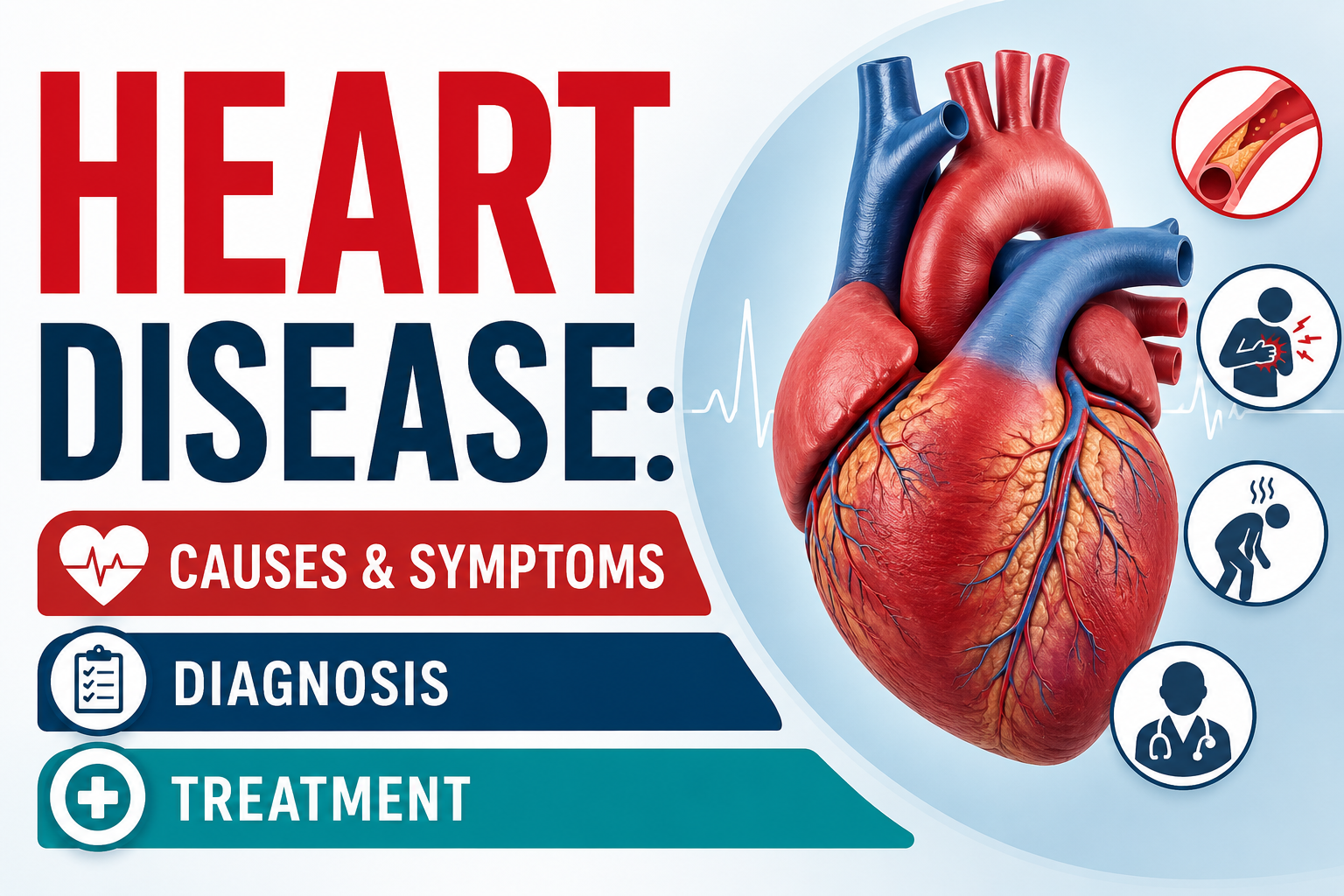
Heart disease refers to a group of conditions that affect how the heart works. Because the heart pumps oxygen-rich blood throughout the body, any problem with its function can lead to serious health complications.
The most common type is coronary artery disease (CAD), which occurs when plaque builds up in the arteries and reduces blood flow to the heart. Other forms of heart disease include arrhythmias (irregular heartbeat), heart valve disease, cardiomyopathy, heart failure, congenital heart defects, and pericardial disease. Early diagnosis and treatment are essential for protecting heart health and preventing complications.
Realted- Sore Throat Remedies: Top Natural Remedies for Fast Relief
Symptoms of Heart Disease
The symptoms of heart disease can range from mild to severe and may develop slowly over time. While some people experience sudden chest pain, others may only notice unusual tiredness or shortness of breath.
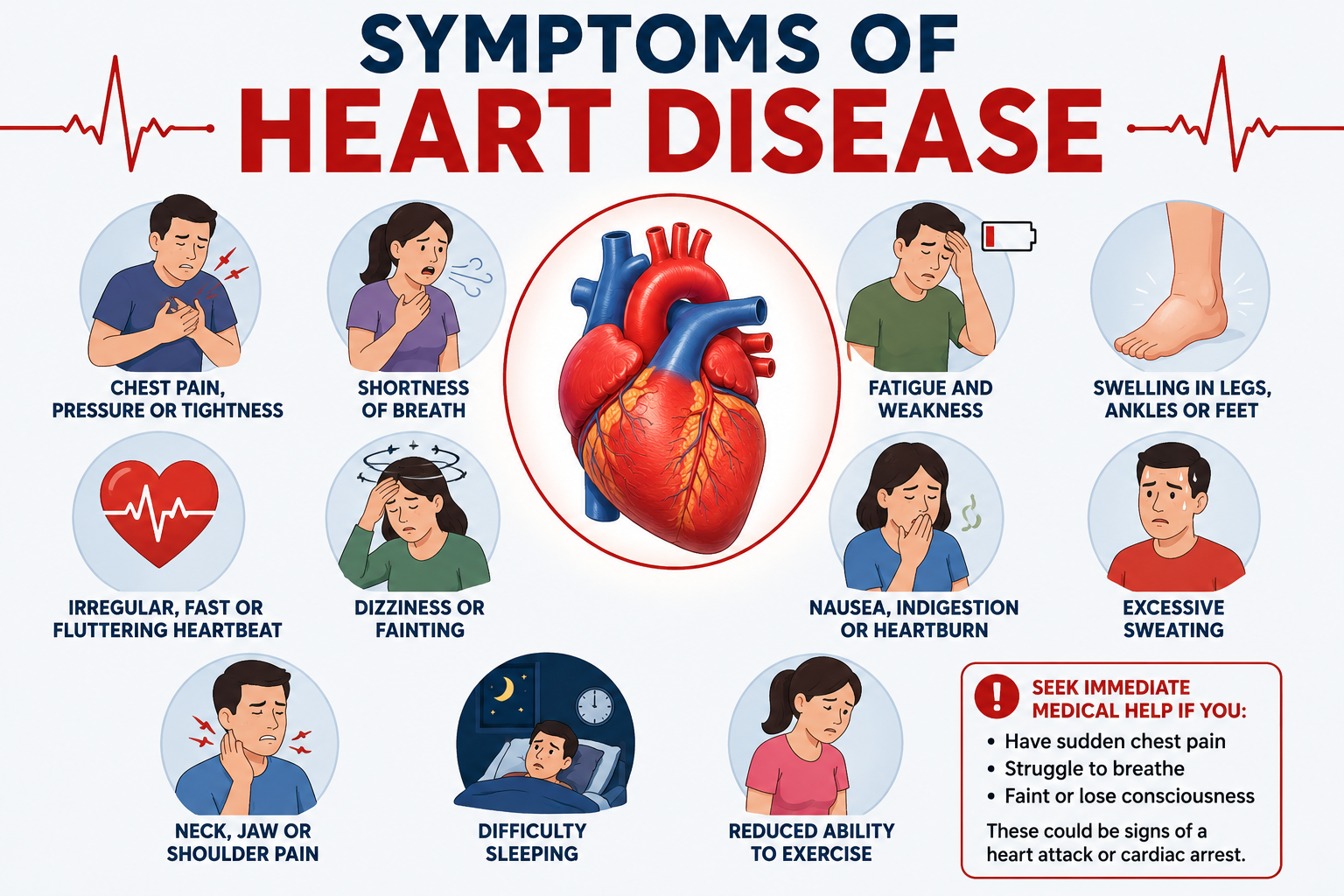
Common signs of heart disease include:
- Chest pain, pressure, or tightness
- Shortness of breath during activity or rest
- Fatigue and weakness
- Swelling in the legs, ankles, or feet
- Irregular, fast, or fluttering heartbeat
- Dizziness or fainting
- Nausea, indigestion, or heartburn
- Excessive sweating
- Neck, jaw, or shoulder pain
- Difficulty sleeping
- Reduced ability to exercise
Symptoms can differ from person to person. Women often experience less obvious warning signs, such as nausea, extreme fatigue, or jaw pain instead of severe chest pain.
Seek emergency medical help immediately if you have sudden chest pain, trouble breathing, or lose consciousness, as these may be signs of a heart attack or cardiac arrest.
What Causes Heart Disease?
Heart disease usually develops over time and is often caused by a combination of lifestyle, medical, and genetic factors. Damage to the heart and blood vessels can occur gradually, increasing the risk of serious heart problems.
Common causes of heart disease include:
- Blocked or narrowed arteries caused by plaque buildup
- High blood pressure that puts extra strain on the heart
- Damage to the heart muscle from infections or previous heart problems
- Family history and inherited heart conditions
- Kidney and thyroid disorders that affect heart function
- Autoimmune diseases that trigger inflammation in the heart
- Certain infections that can damage heart tissue
- Some medications, including specific cancer treatments
- Smoking, excessive alcohol use, and illegal drug use
- Pregnancy complications, such as preeclampsia
- Age-related changes that weaken the heart over time
Knowing the causes and risk factors of heart disease can help you take early steps to protect your heart and lower your chances of developing serious complications.
Who Is Most at Risk of Heart Disease?
Anyone can develop heart disease, but certain factors greatly increase the risk. People with high blood pressure, high cholesterol, or Type 2 diabetes are more likely to experience heart problems. Being overweight, having a family history of heart disease, and getting older also raise the risk.
Lifestyle choices play an important role as well. Smoking, lack of physical activity, chronic stress, and a diet high in salt, sugar, and unhealthy fats can damage the heart over time.
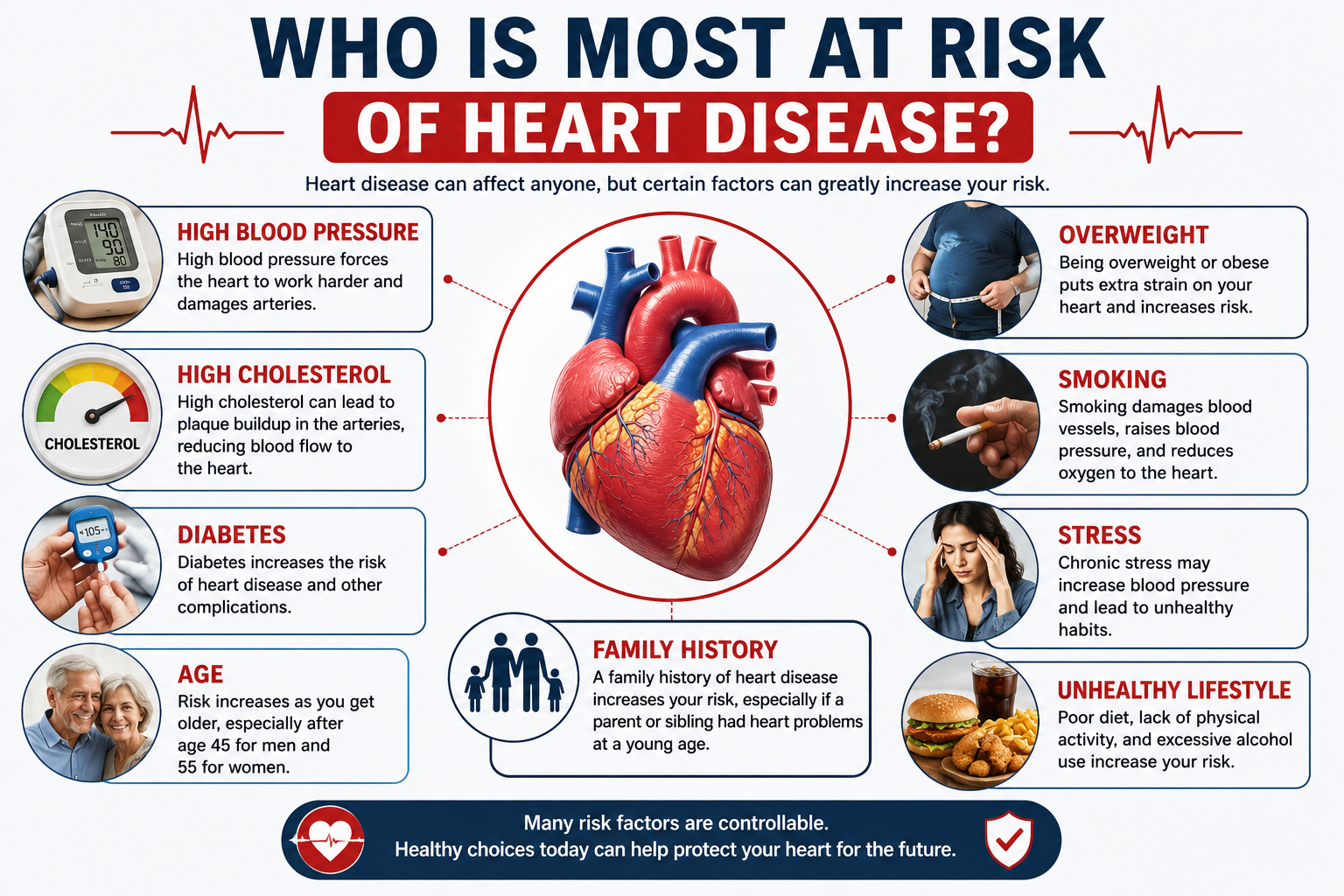
The good news is that many risk factors are preventable. Quitting smoking, exercising regularly, eating a heart-healthy diet, and managing conditions like diabetes and high blood pressure can significantly lower your risk and improve long-term heart health.
Complications of Heart Disease
If heart disease is not treated properly, it can lead to serious and potentially life-threatening complications. As the condition progresses, it may damage not only the heart but also other vital organs.
Common complications of heart disease include:
- Heart attack
- Heart failure
- Stroke
- Cardiomyopathy (weakened heart muscle)
- Irregular heart rhythms (arrhythmias)
- Cardiogenic shock
- Cardiac arrest
- Pulmonary hypertension
- Kidney and liver damage
One heart condition can often trigger another, making early diagnosis and treatment extremely important. Managing heart disease in its early stages can help prevent severe complications and improve long-term health outcomes.
How Is Heart Disease Diagnosed?
Diagnosing heart disease begins with a review of your symptoms, medical history, and family history of heart problems. Your doctor will also perform a physical examination and may recommend several tests to determine how well your heart is functioning.
Common tests used to diagnose heart disease include:
- Electrocardiogram (ECG/EKG): Records the heart’s electrical activity and detects abnormal rhythms.
- Echocardiogram: Uses sound waves to create images of the heart and evaluate its function.
- Ambulatory Heart Monitor: Tracks heart rhythm continuously over several hours or days.
- Cardiac CT Scan: Produces detailed images of the heart and blood vessels.
- Heart MRI: Provides high-quality images of heart tissue and blood flow.
- Blood Tests: Measure cholesterol, blood sugar, and other markers linked to heart disease.
- Stress Test: Shows how the heart performs during physical activity.
- Cardiac Catheterization: Examines the coronary arteries and checks blood flow inside the heart.
The type of tests your doctor recommends will depend on your symptoms and the specific heart condition being investigated. Early diagnosis is essential for starting the right treatment and preventing serious complications.
Treatment Options for Heart Disease
Treatment for heart disease depends on the type of condition, its severity, and your overall health. Most treatment plans combine lifestyle changes, medications, and medical procedures to improve heart function and prevent complications.
1. Lifestyle Changes
Healthy habits are the foundation of heart disease treatment. Doctors often recommend:
- Eating a heart-healthy diet low in salt and saturated fat
- Quitting smoking
- Exercising regularly
- Managing stress
- Getting enough sleep
2. Medications
Several medications can help control heart disease, including:
- Blood pressure medicines
- Cholesterol-lowering drugs (statins)
- Blood thinners
- Medications to control abnormal heart rhythms
- Drugs that reduce the heart’s workload
3. Surgery and Medical Procedures
In more serious cases, procedures may be needed, such as:
- Cardiac catheterization
- Ablation therapy
- Cardioversion
- Pacemaker or defibrillator implantation
- Minimally invasive heart surgery
- Open-heart surgery
4. Cardiac Rehabilitation
After a heart attack or heart surgery, cardiac rehabilitation can help patients recover. These programs combine supervised exercise, nutrition advice, and lifestyle counseling to improve heart health and speed recovery.
Recovery time varies depending on the treatment. Minor procedures may require only a few days, while open-heart surgery can take several weeks or even months for full recovery.
Can Heart Disease Be Prevented?
Many cases of heart disease can be prevented through healthy lifestyle choices. Although factors like age and family history cannot be changed, taking care of your heart can significantly lower your risk.
Here are some effective ways to prevent heart disease:
- Maintain a healthy weight.
- Exercise for at least 30–60 minutes most days of the week.
- Eat a balanced diet rich in fruits, vegetables, and whole grains.
- Keep your blood pressure, cholesterol, and blood sugar under control.
- Avoid smoking and tobacco products.
- Limit alcohol consumption.
- Get 7–9 hours of quality sleep each night.
- Manage stress through relaxation techniques and regular physical activity.
If you have a family history of heart disease or other risk factors, regular checkups and early screening can help detect problems before symptoms appear. Taking preventive steps today can protect your heart and reduce the risk of serious complications in the future.
The Bottom Line
Heart disease is a serious condition, but with early diagnosis and proper treatment, many people live long, healthy, and active lives. Managing heart disease often involves regular medical care, healthy lifestyle habits, and following your treatment plan.
The most important step is to take symptoms and risk factors seriously. Early detection can prevent complications and improve long-term heart health. If you experience unusual symptoms or have a family history of heart disease, don’t ignore the warning signs—talk to your doctor and get checked.
Your heart works nonstop to keep your body healthy, so taking care of it today can lead to a healthier future.
Frequently Asked Questions (FAQs)
1. What is the most common type of heart disease?
The most common type is coronary artery disease (CAD), which occurs when plaque builds up in the arteries and reduces blood flow to the heart.
2. What are the early warning signs of heart disease?
Early symptoms may include chest pain, shortness of breath, unusual fatigue, dizziness, irregular heartbeat, and swelling in the legs or feet.
3. Can heart disease be cured?
Some forms of heart disease cannot be completely cured, but they can often be managed successfully with medications, lifestyle changes, and medical treatments.
4. Is heart disease hereditary?
Yes. A family history of heart disease can increase your risk, especially if close relatives developed heart problems at a young age.
5. Can young adults develop heart disease?
Yes. Although the risk increases with age, younger adults can develop heart disease due to obesity, smoking, high blood pressure, diabetes, or genetic conditions.
6. How can I lower my risk of heart disease?
You can reduce your risk by maintaining a healthy weight, exercising regularly, eating a balanced diet, avoiding smoking, limiting alcohol, and managing blood pressure and cholesterol.
Conclusion:
Heart disease remains one of the leading causes of serious health problems worldwide, but it is often preventable and manageable. Understanding the symptoms, causes, risk factors, and treatment options can help you take control of your heart health before complications develop.
Simple lifestyle changes—such as eating a healthy diet, staying active, avoiding tobacco, and managing chronic conditions—can significantly reduce your risk. Most importantly, never ignore warning signs or delay medical care. Early diagnosis and timely treatment can protect your heart, improve your quality of life, and help you live a longer, healthier future.
Read More:
- Sore Throat Remedies: Top Natural Remedies for Fast Relief
- Skin Allergy Causes, Symptoms, Treatment at Home
- Sudden Cardiac Arrest: Symptoms, Causes & Prevention

Welcome to Health Line Tips! I’m Mazhar Hayyat, an AI-Powered SEO, and Content Writer with 4 years of experience. I help websites rank higher, get more traffic, and look amazing. My goal is to make SEO and web design simple and effective for everyone. Let’s achieve more together!