

Fever is one of the most common signs that your body is fighting an infection or dealing with an internal imbalance. When your body temperature rises above the normal range—typically higher than 100.4°F (38°C)—it signals that something isn’t quite right. While fever itself is not a disease, it often comes with a range of symptoms such as headache, body aches, nausea, and fatigue, which can help identify the underlying cause.
Understanding fever symptoms is important, especially for children, older adults, and individuals who may not clearly express how they feel. Recognizing early warning signs like flushed skin, loss of appetite, or unusual tiredness can help you take timely action and prevent complications. In this guide, we’ll break down the key symptoms of fever, their possible causes, and when it’s important to seek medical attention.
Fever Quick Overview
A fever is a temporary rise in body temperature and is commonly a sign that the immune system is actively fighting an infection or another underlying condition. It is not a disease on its own but an important indicator that something within the body needs attention.
In adults and older children, a mild fever is usually not serious, although it may cause symptoms like chills, body aches, fatigue, or general discomfort. However, in infants and young children, even a slight increase in temperature can point to a more serious issue and should be monitored closely. In most cases, a body temperature of 38°C (100.4°F) or higher is considered a fever.
Fever can also result from non-infectious factors such as heavy exercise, hot weather exposure, or recent vaccinations. Most fevers go away naturally within a few days and may not require treatment unless they cause significant discomfort. Regularly checking body temperature with a reliable thermometer, staying hydrated, and getting proper rest can help manage fever effectively while reducing the risk of spreading illness.
Fever Symptoms: Common Signs to Watch
Fever Symptoms and Body Temperature
Body temperature can vary slightly from person to person and also change throughout the day. The normal average is around 98.6°F (37°C), but it usually falls between 97.5°F and 98.9°F (36.4°C to 37.2°C). A temperature of 38°C (100.4°F) or above is generally considered a fever.
Common Fever Symptoms
Fever is not just about a high temperature—it often includes other symptoms that help identify the condition. Common signs include sweating, chills, shivering, headache, muscle pain, loss of appetite, fatigue, irritability, and dehydration. In some cases, especially in children, a rapid temperature rise may lead to confusion or seizures.
Additional Signs of Fever
There are also physical signs that may indicate a fever, such as warm or hot skin, a flushed face, glassy eyes, reduced urine output, or dark-colored urine. Some people may experience nausea, vomiting, constipation, or diarrhea. If the fever is caused by a viral infection like a cold or flu, symptoms such as cough, sore throat, and general body discomfort may also appear.
How to Check Body Temperature
The best way to confirm a fever is by measuring your temperature with a thermometer. Common options include oral, rectal, ear (tympanic), and forehead (temporal artery) thermometers. Oral and rectal readings are usually more accurate, while ear and forehead methods are quicker and more convenient but slightly less precise. When consulting a doctor, it’s helpful to share both your temperature reading and the type of thermometer used.
Helpful Tip
If you feel unusually warm, tired, or unwell, checking your temperature is a simple and effective first step. Early monitoring can help you manage symptoms properly and decide whether medical advice is needed.
Main Types of Fever
Fever can occur due to many different causes, which is why it is not always easy to classify based only on symptoms. Instead, healthcare professionals categorize fever by how long it lasts and how body temperature changes throughout the day. Understanding these fever patterns can help identify the underlying cause and guide proper treatment.
Medical experts commonly divide fever into the following five types:
1. Intermittent Fever (Fluctuating Fever Pattern)
In intermittent fever, the body temperature rises above normal but returns to a normal level at some point during the same day. This cycle may repeat daily or at regular intervals.
It is commonly associated with infections such as malaria and some bacterial conditions.
2. Remittent Fever (Persistent Fluctuating Fever)
Remittent fever shows noticeable temperature changes throughout the day, but it never fully returns to normal. Even at its lowest point, the temperature remains above normal.
This pattern often suggests ongoing infection or inflammation in the body.
3. Hectic Fever (Severe Temperature Swings)
Hectic fever is marked by large and rapid temperature fluctuations—usually more than 1.4°C difference within a day.
It is often linked to more serious infections such as tuberculosis, abscesses, or advanced inflammatory conditions, and may require urgent medical evaluation.
4. Continuous Fever (Sustained High Temperature)
Continuous fever, also known as sustained fever, remains consistently high with minimal variation (usually less than 1°C in 24 hours).
This type is commonly seen in infections like typhoid fever and indicates a steady ongoing illness.
5. Relapsing Fever (Recurring Fever Episodes)
Relapsing fever involves repeated episodes of high temperature followed by days or even weeks of normal temperature. The fever then returns in cycles.
This pattern is often linked to infections such as malaria or certain bacterial diseases transmitted through insects or animal bites.
Why Understanding Fever Patterns is Important
Recognizing different fever types can help doctors diagnose illnesses more accurately and start timely treatment. Monitoring how your temperature changes over time is just as important as noting how high it gets.
If a fever lasts for several days, follows an unusual pattern, or is accompanied by severe symptoms like weakness, confusion, or dehydration, it is important to seek medical advice promptly.
Causes of Fever: Common Reasons Why Body Temperature Rises
Fever occurs when the body temperature rises above its normal range, usually as part of the immune system’s natural defense against infections. In most cases, fever is not a disease but a symptom of an underlying condition that needs attention.
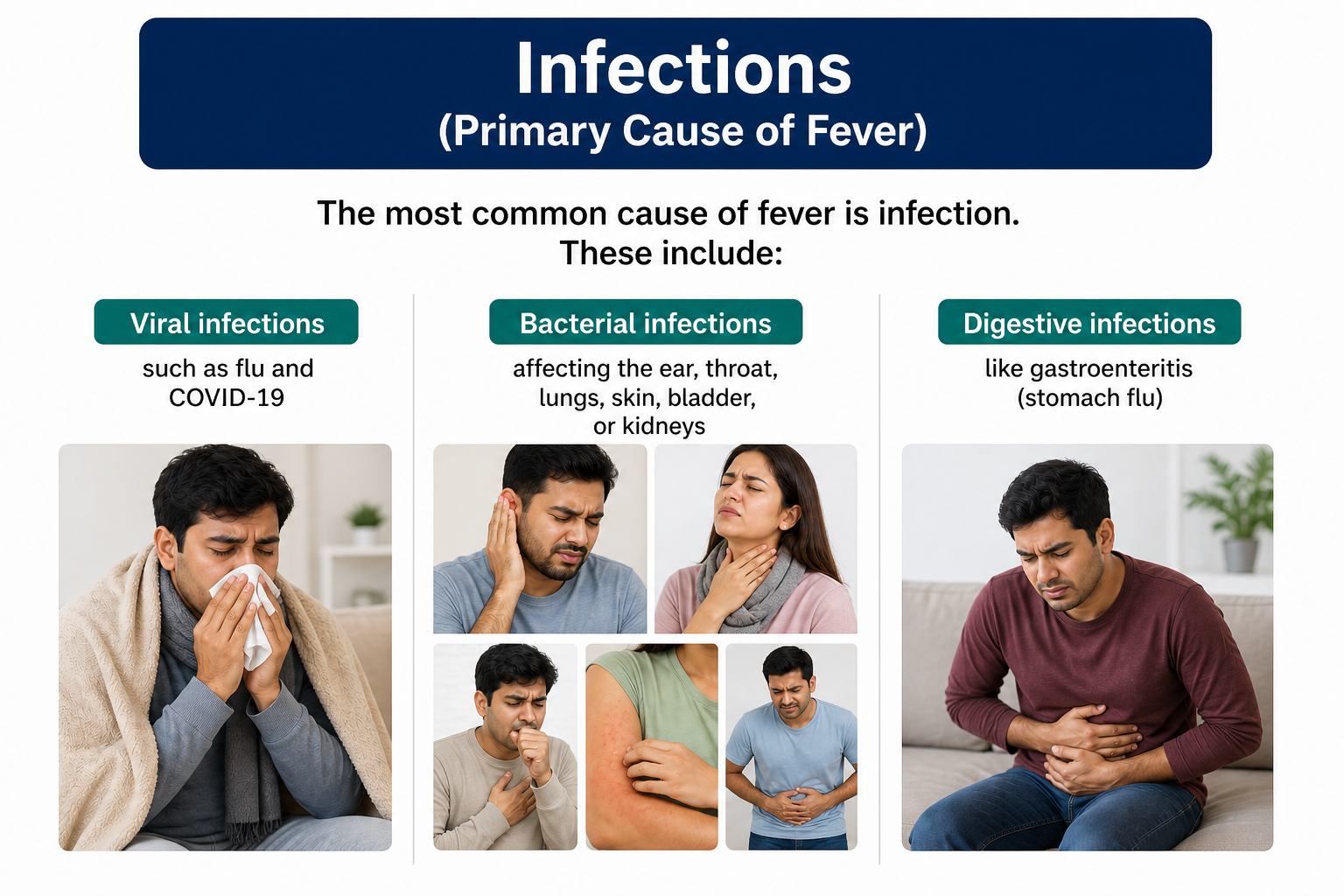
1. Infections (Primary Cause of Fever)
The most common cause of fever is infection. These include:
- Viral infections such as flu and COVID-19
- Bacterial infections affecting the ear, throat, lungs, skin, bladder, or kidneys
- Digestive infections like gastroenteritis (stomach flu)
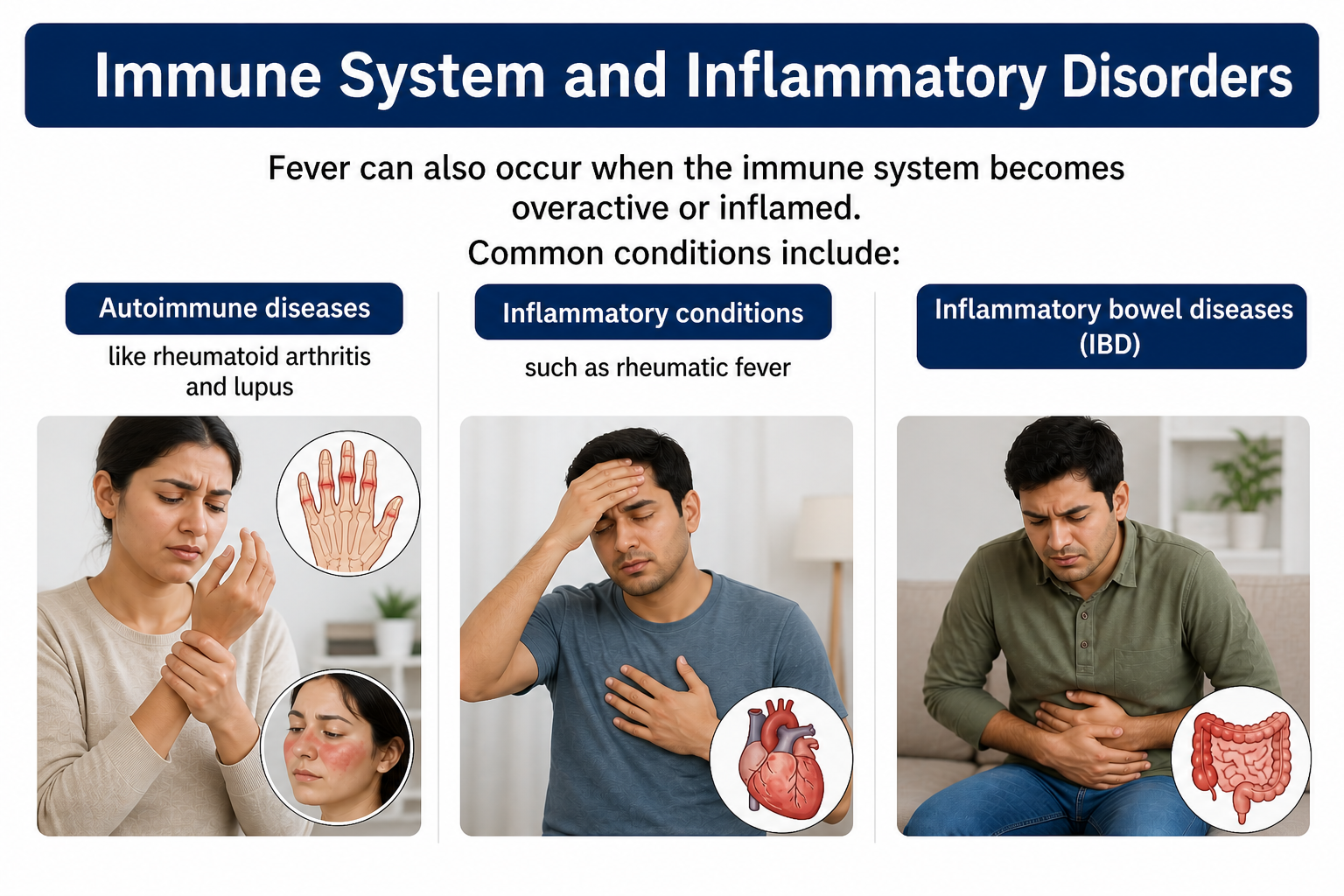
2. Immune System and Inflammatory Disorders
Fever can also occur when the immune system becomes overactive or inflamed. Common conditions include:
- Autoimmune diseases like rheumatoid arthritis and lupus
- Inflammatory conditions such as rheumatic fever
- Inflammatory bowel diseases (IBD)
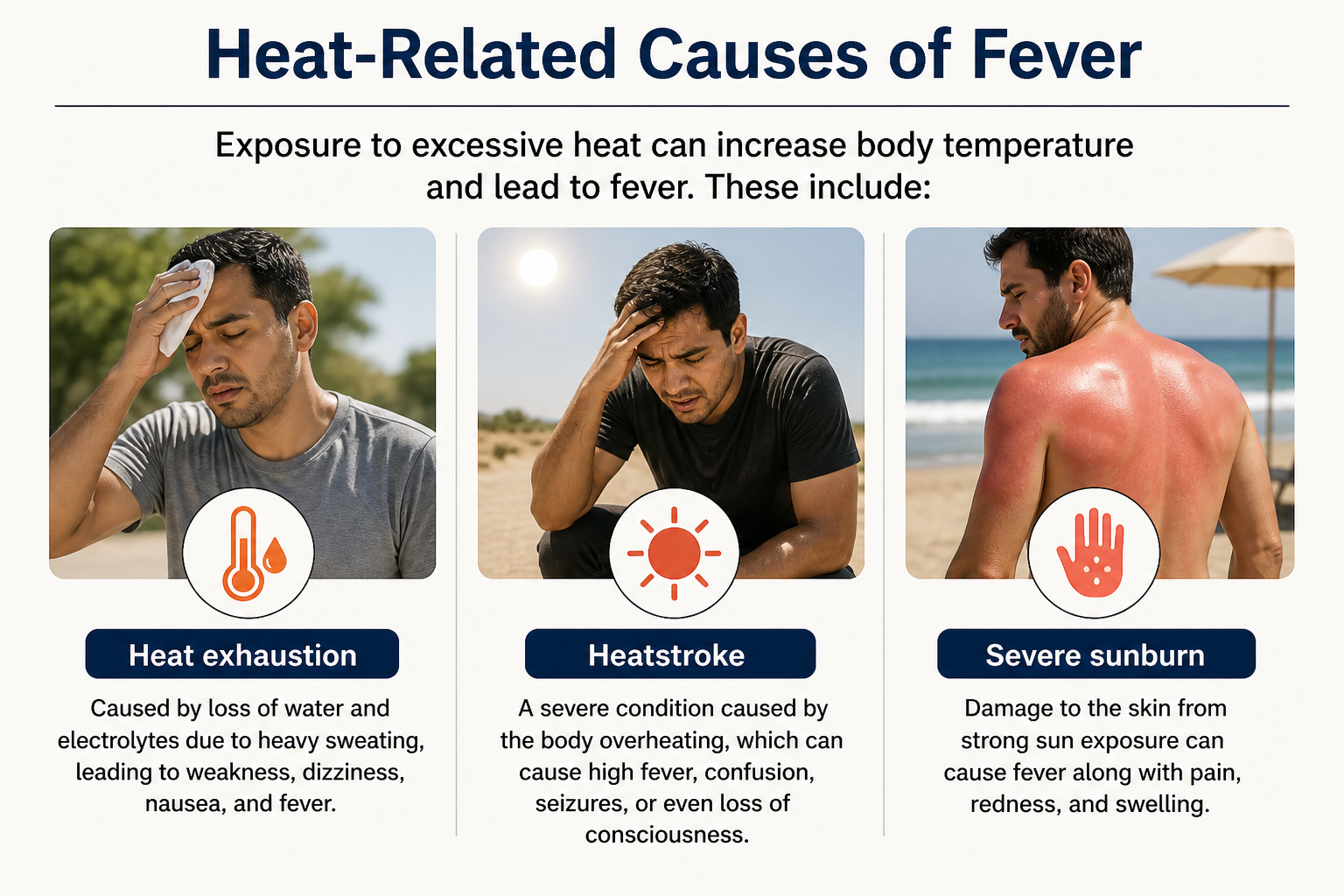
3. Heat-Related Causes of Fever
Exposure to excessive heat can increase body temperature and lead to fever. These include:
- Heat exhaustion
- Heatstroke
- Severe sunburn
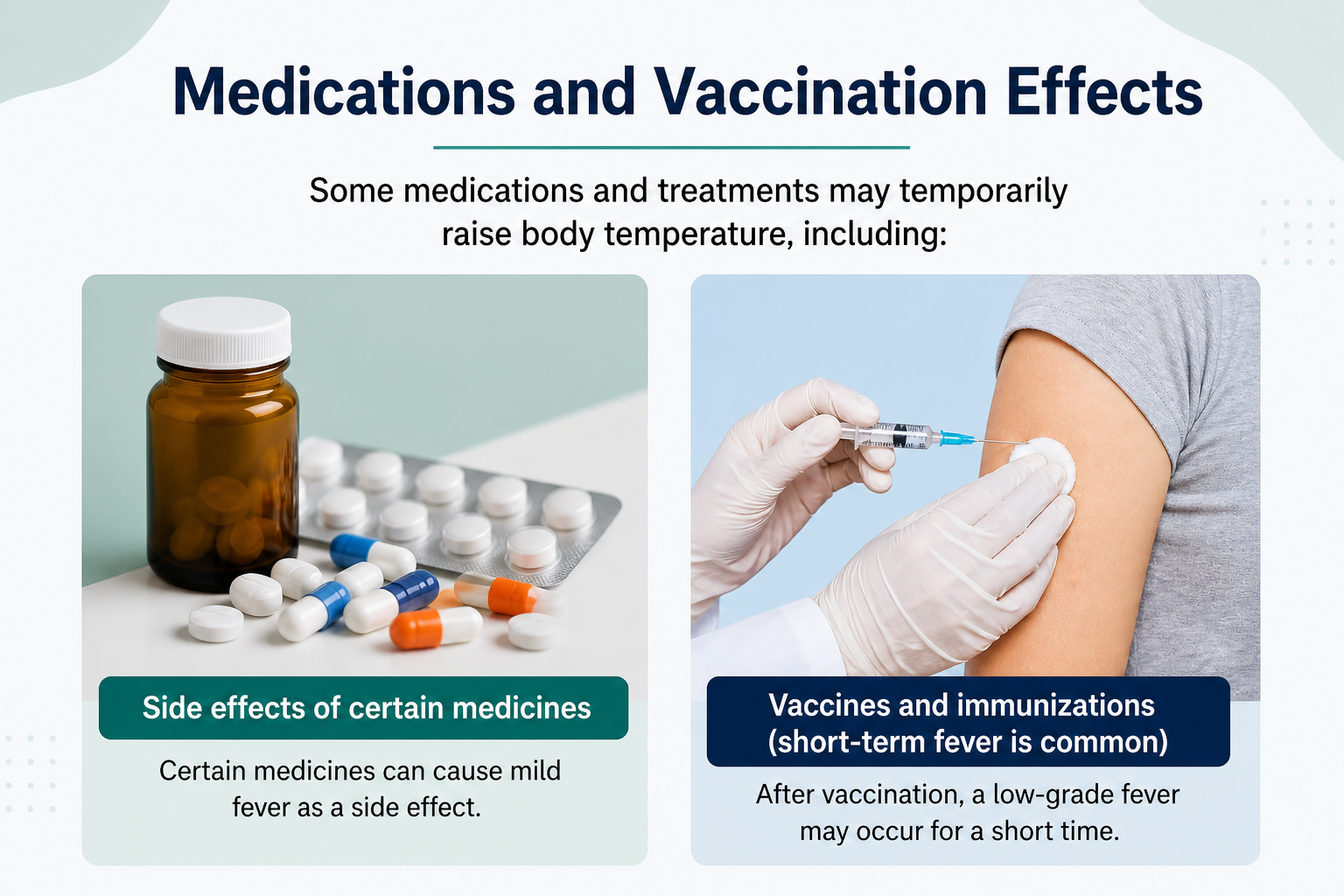
4. Medications and Vaccination Effects
Some medications and treatments may temporarily raise body temperature, including:
- Side effects of certain medicines
- Vaccines and immunizations (short-term fever is common)
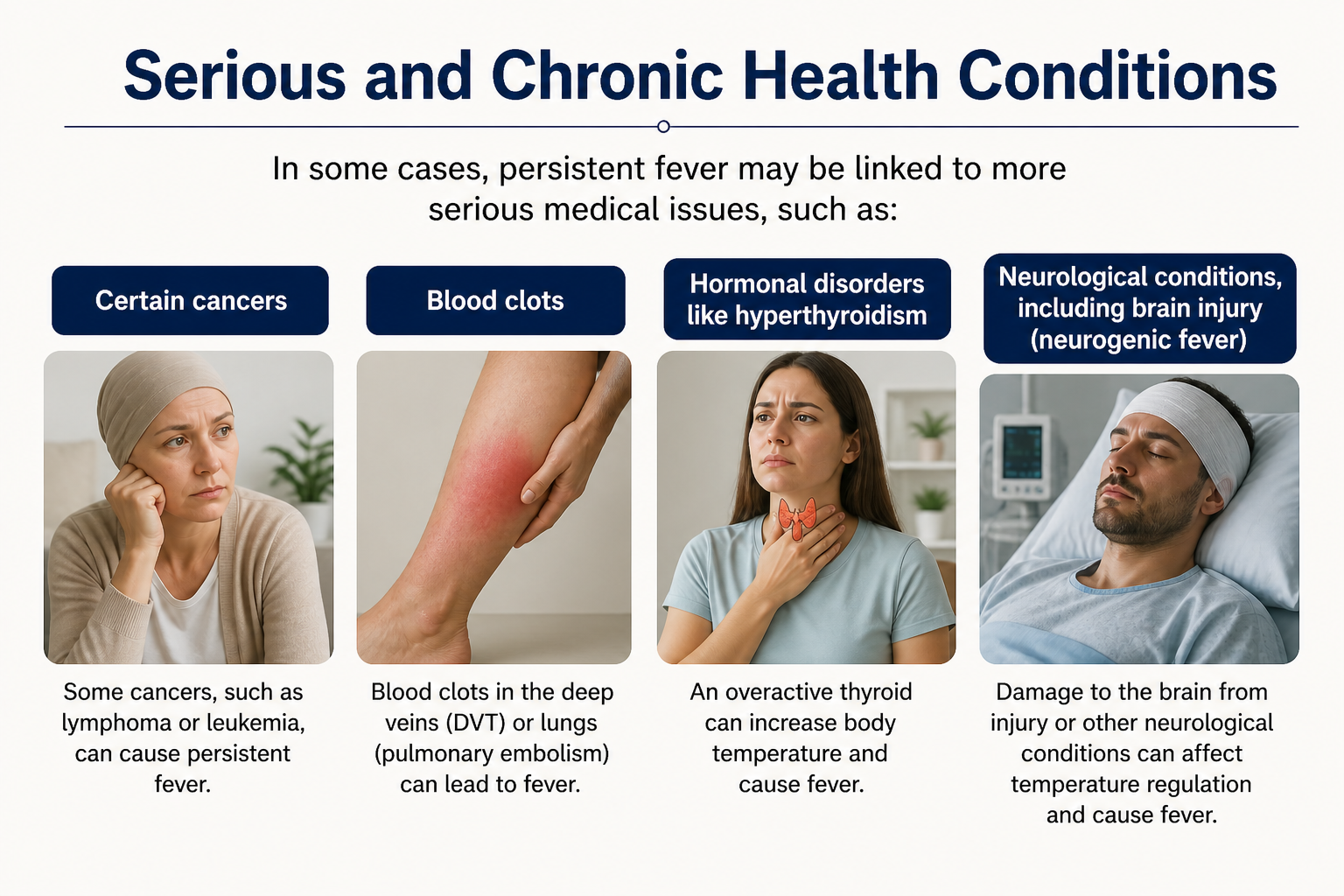
5. Serious and Chronic Health Conditions
In some cases, persistent fever may be linked to more serious medical issues, such as:
- Certain cancers
- Blood clots
- Hormonal disorders like hyperthyroidism
- Neurological conditions, including brain injury (neurogenic fever)
6. Other Causes of Fever
- Use of substances such as amphetamines or cocaine
- Teething in infants, which may cause a mild, low-grade fever (below 101°F)
Fever Treatment and Home Care
Fever usually improves on its own within a few days and does not always require medical treatment. The main goal is to reduce discomfort and support the body’s natural recovery. Medicines like acetaminophen (paracetamol) or ibuprofen can help lower a fever and relieve pain when taken in the correct dosage. Avoid alternating these medicines without proper guidance, as it may lead to dosing errors or side effects. Aspirin should not be given to children or young adults with a fever.
Home Remedies for Fever Relief
Managing fever at home is simple with proper care: get enough rest, drink plenty of fluids like water or fresh juices to stay hydrated, wear light and comfortable clothing, keep your room cool and well-ventilated, and take a lukewarm bath if needed. Avoid alcohol rubs or very cold baths, as they can cause discomfort.
Do’s and Don’ts During Fever
Do: stay hydrated, monitor your temperature regularly, take medicine only when needed, and rest properly.
Don’t: wear too many clothes, try to cool your body too quickly, or drink alcohol as it can increase dehydration.
Important Safety Advice
Before taking any medicine, make sure it is safe for you—especially if you have any medical conditions, are taking other medicines, or are pregnant or breastfeeding. These simple steps can help you manage fever safely and comfortably at home.
When to See a Doctor
Fever often goes away on its own, but in some situations it’s important to consult a doctor—especially for infants, children, or when the symptoms are more serious.
Fever in Infants and Toddlers
Contact a doctor if the baby is younger than 3 months and has a temperature of 38°C (100.4°F) or higher. If the baby is 3–6 months old and has a temperature above 38.9°C (102°F), or is unusually irritable, weak, or uncomfortable, seek medical advice. For children aged 7–24 months, it’s also best to consult a doctor if the fever lasts more than 24 hours.
Fever in Children
Consult a doctor if the child appears very weak or confused, has repeated vomiting, severe headache, sore throat, or stomach pain, or if the fever lasts more than three days. Seek immediate medical help if the child experiences a seizure (fit).
Fever in Adults
Adults should consult a doctor if their temperature is 39.4°C (103°F) or higher. If the fever is accompanied by severe headache, rash, sensitivity to light, stiff neck, confusion, difficulty breathing, chest pain, abdominal pain, painful urination, or seizures, immediate medical attention is necessary.
Frequently Asked Questions (FAQs)
- Fever is a temporary increase in body temperature, usually 100.4°F (38°C) or higher.
- It is a common sign that the body is fighting an infection or illness.
- Common fever symptoms include sweating, chills, shivering, and headache.
- Other symptoms may include muscle aches, loss of appetite, dehydration, and weakness.
- Fever is a natural immune response that helps fight viruses and bacteria.
1. What are the symptoms of getting a fever?
Common fever symptoms include sweating, chills and shivering, headache, muscle aches, loss of appetite, irritability, dehydration, and general weakness, all of which indicate that the body is actively responding to an infection or illness.
2. How to break a fever?
To reduce fever safely and effectively, focus on rest, hydration, and simple home care. Drink plenty of fluids such as water, oral rehydration solutions, or broth to prevent dehydration, and use over-the-counter medicines like acetaminophen (paracetamol) or ibuprofen in the correct dose to help lower body temperature. Wear lightweight clothing, keep the room cool and well-ventilated, and use a lukewarm, damp cloth for comfort. Avoid cold baths or anything that causes shivering, as this can increase body temperature instead of reducing it.
3. What are the Five Stages of Fever?
Fever can present in five main patterns: intermittent, remittent, continuous (sustained), hectic, and relapsing. In an intermittent fever, the body temperature rises but returns to normal (around 37.2°C or below) each day, while in a remittent fever, the temperature drops daily but does not return to a normal level.
4. Can Stress Cause Fever and Raise Body Temperature?
Yes, severe or ongoing stress can raise body temperature, a condition known as psychogenic fever or stress-induced hyperthermia. In this case, stress hormones trigger the body to increase its core temperature—even without any infection or inflammation. This type of fever is a physical response to emotional or mental stress rather than a typical illness-related fever.
Conclusion:
Fever is a common and natural body response that helps fight infections and other underlying conditions. Although it is usually not serious, having a clear understanding of fever symptoms, causes, and treatment can support early care and faster recovery. Identifying signs such as elevated body temperature, chills, fatigue, and dehydration allows you to manage fever more effectively at home.
In most situations, simple care steps like adequate rest, proper hydration, and correct use of fever-reducing medicines are enough to ease symptoms. However, it is important to keep track of temperature changes and overall health, especially in children and older adults. Staying informed and following basic care practices can help you manage fever safely and lower the risk of complications.
Read More Information:
- Fever Symptoms and Treatment
- Chest Pain Symptoms & Causes
- How to Lose Weight Naturally: 29 Proven Tips

Welcome to Health Line Tips! I’m Mazhar Hayyat, an AI-Powered SEO, and Content Writer with 4 years of experience. I help websites rank higher, get more traffic, and look amazing. My goal is to make SEO and web design simple and effective for everyone. Let’s achieve more together!