A Complete Guide to Understanding and Treating Hair Loss
Hair loss is a common condition that affects men, women, and children worldwide. Losing some hair daily is normal, but excessive shedding or thinning may be a sign of alopecia or other health-related issues. Hair loss can develop slowly over time or happen suddenly due to stress, illness, hormonal changes, or medical treatments.
There are many causes of hair loss, including genetics, poor nutrition, thyroid disorders, fungal infections, tight hairstyles, and damaged haircare routines. Common symptoms include thinning hair, receding hairline, bald patches, and excessive hair fall while brushing or washing hair. Some people may also experience hair loss on other parts of the body.
Proper diagnosis and early treatment can help control hair loss and improve hair growth. Treatment options may include medications, PRP therapy, hair transplant procedures, stress management, and healthy lifestyle changes. Eating a balanced diet rich in protein and iron can also support stronger and healthier hair.
What is Hair Loss?
Hair loss, medically known as alopecia, is a condition in which a person experiences abnormal or excessive shedding of hair from the scalp or other parts of the body. While it is completely normal to lose 50 to 100 strands of hair per day as part of the natural hair growth cycle, hair loss becomes a concern when this number significantly increases or when hair does not grow back.
Hair grows in three main phases:
- Anagen (Growth Phase) — Hair actively grows for 2–7 years.
- Catagen (Transition Phase) — Hair stops growing and detaches from the blood supply (2–3 weeks).
- Telogen (Resting Phase) — Old hair rests and falls out as new hair begins to grow (3 months).
When this natural cycle is disrupted — due to genetics, hormones, nutrition, stress, or disease — hair loss occurs. It can affect the scalp only or the entire body, and it may be temporary or permanent depending on the cause.
Hair loss affects people of all ages and genders. According to the American Academy of Dermatology, more than 80 million people in the United States alone experience hereditary hair loss. It can have a deep emotional impact, affecting self-esteem and overall quality of life.
Symptoms and Causes of Hair Loss
Symptoms of Hair Loss
Recognizing early signs of hair loss can lead to faster treatment and better outcomes.
1. Gradual Thinning on Top of the Head
This is the most common type of hair loss, especially with aging.
Men typically notice a receding hairline at the temples, forming an “M” shape.
Women usually see a widening part line or thinning across the crown.
2. Circular or Patchy Bald Spots
Some people develop smooth, coin-sized bald patches on the scalp, beard, or eyebrows.
The skin may feel itchy or painful just before the hair falls out.
This is often a sign of alopecia areata.
3. Sudden Loosening of Hair
A physical or emotional shock can cause hair to loosen suddenly.
Handfuls of hair may come out while combing, washing, or gently tugging.
This condition is called telogen effluvium. It usually causes overall thinning — not bald patches — and is often temporary.
4. Full-Body Hair Loss
Certain medical treatments — especially chemotherapy — can cause hair loss all over the body.
The hair typically grows back once treatment ends.
5. Patches of Scaling on the Scalp
Scaly, spreading patches are often a sign of ringworm (tinea capitis).
Other signs include broken hair, redness, swelling, and sometimes oozing.
6. Visible Scalp Through Thinning Hair
When hair density drops significantly, the scalp becomes visible — especially under direct light.
This is common in both male and female pattern baldness.
7. Excessive Hair on Pillow or Shower Drain
Finding large amounts of hair on your pillow or in the drain is an early warning sign.
It may indicate hair is shedding at an abnormal rate.
Causes of Hair Loss
Hair loss can result from many different causes. Here are the most common:
1. Hereditary (Genetic) Hair Loss
Also called androgenetic alopecia, this is the most common cause worldwide.
It is inherited from either parent and causes predictable, patterned hair thinning.
The hormone DHT (dihydrotestosterone) shrinks hair follicles over time until they stop producing hair.
2. Hormonal Imbalances
Hormonal changes due to pregnancy, childbirth, menopause, thyroid disorders, or PCOS can trigger significant hair loss.
These shifts disturb the normal hair growth cycle.
3. Nutritional Deficiencies
Lack of key nutrients weakens hair follicles and disrupts the growth cycle.
The most important ones are: Iron, Zinc, Vitamin D, Biotin (B7), and Protein.
4. Physical or Emotional Stress
Major stressors — surgery, illness, sudden weight loss, grief, or prolonged anxiety — push hair follicles into the resting phase.
This causes heavy shedding 2–3 months after the stressful event.
5. Medications and Medical Treatments
Drugs for cancer, blood pressure, depression, arthritis, and heart problems can cause hair loss as a side effect.
Hormonal medications like birth control pills may also trigger shedding.
6. Autoimmune Conditions
In alopecia areata, the immune system attacks its own hair follicles.
This causes sudden, patchy hair loss. In severe cases, it can lead to total hair loss on the scalp or entire body.
7. Scalp Infections
Fungal infections like ringworm can cause scaly patches and localized hair loss.
Once the infection is treated, hair typically grows back.
8. Harsh Hairstyling Practices
Tight braids, ponytails, cornrows, excessive heat, and chemical treatments damage hair follicles.
This is known as traction alopecia. Prolonged damage can become permanent.
9. Aging
Hair naturally grows more slowly and becomes thinner with age.
Most people notice reduced hair volume and density after the age of 50.
10. Underlying Medical Conditions
Conditions like lupus, diabetes, iron-deficiency anemia, and scalp psoriasis can contribute to hair loss as secondary symptoms.
Reason of Hair Fall in Female
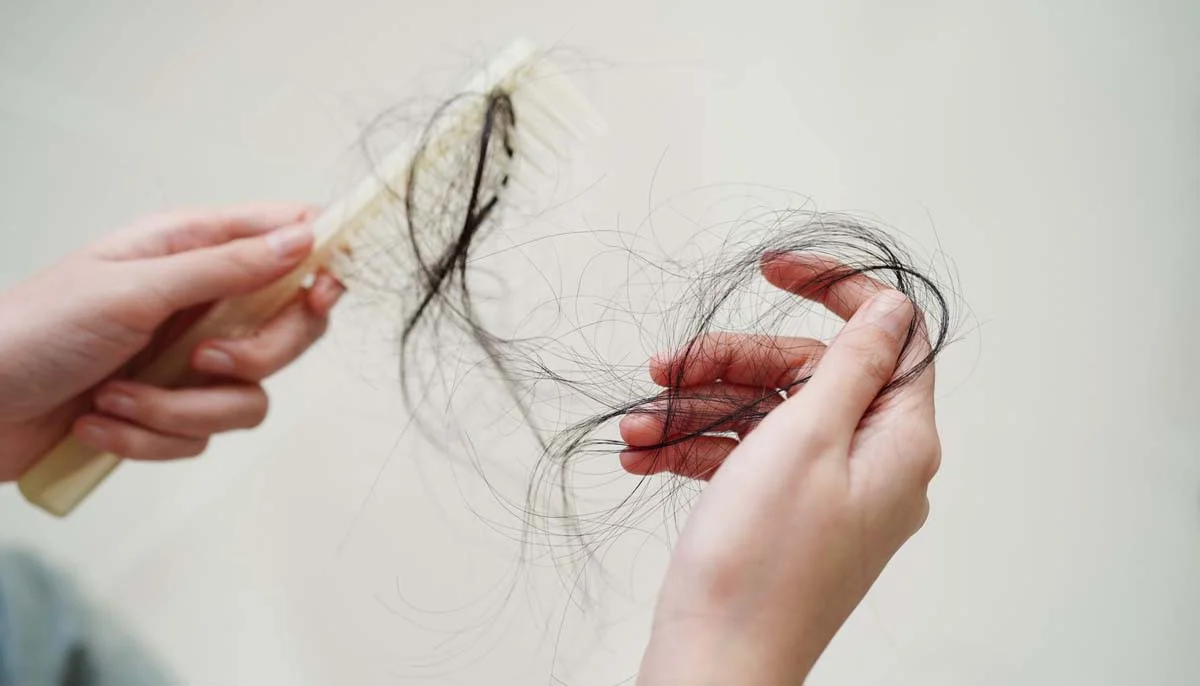
Hair loss in women is more common than many realize — yet it is often underdiagnosed.
Unlike men, women usually experience diffuse thinning across the entire scalp rather than distinct bald patches.
1. Pregnancy and Postpartum Hair Loss
During pregnancy, high estrogen keeps hair in the growth phase — resulting in thicker, fuller hair.
After delivery, estrogen drops sharply. Large amounts of hair enter the shedding phase at once.
This is called postpartum telogen effluvium. It usually starts 2–4 months after childbirth and resolves within 6–12 months.
2. Menopause
Declining estrogen and progesterone during menopause cause hair follicles to shrink.
Hair becomes thinner, drier, and less voluminous.
A relative rise in androgens can also trigger female-pattern hair loss.
3. Polycystic Ovary Syndrome (PCOS)
PCOS is a hormonal disorder affecting women of reproductive age.
Elevated male hormones (androgens) cause scalp hair thinning — similar to male-pattern baldness — along with excess facial and body hair.
4. Thyroid Disorders
Both hypothyroidism (underactive) and hyperthyroidism (overactive) interfere with hair growth.
Thyroid hormones regulate hair follicle activity. When disrupted, widespread thinning is a very common result.
5. Iron Deficiency Anemia
Women are especially vulnerable due to menstruation.
Iron is critical for producing hemoglobin, which carries oxygen to hair follicles.
Low iron = oxygen-starved follicles = increased shedding.
This is one of the most correctable causes of hair loss in women.
6. Extreme Dieting and Nutritional Deficiencies
Crash diets, restrictive eating, or eating disorders deprive the body of essential calories and nutrients.
The body then diverts nutrients away from hair follicles — causing significant hair loss within months.
7. Female-Pattern Hair Loss (Androgenetic Alopecia)
Women can also inherit a genetic predisposition to hair loss.
It appears as thinning along the top and crown of the scalp, with the frontal hairline usually intact.
It often becomes more noticeable after menopause.
8. High Stress Levels
Prolonged stress elevates cortisol levels, which disrupts the hair growth cycle.
This triggers telogen effluvium — a condition where large amounts of hair shed at once.
9. Tight Hairstyles (Traction Alopecia)
Tight buns, braids, extensions, or weaves exert constant tension on hair follicles.
This leads to gradual hair loss — especially along the hairline and temples.
10. Oral Contraceptives
Some birth control pills contain progestin with androgenic activity.
They can trigger hair loss in women who are genetically sensitive to androgens.
Hair loss can occur while taking the pill — or after stopping it.
Reason of Hair Fall in Male
Hair loss is extremely common in men.
In fact, more than 50% of men over the age of 50 experience some degree of hair loss.
While genetics play the biggest role, several other factors also contribute.
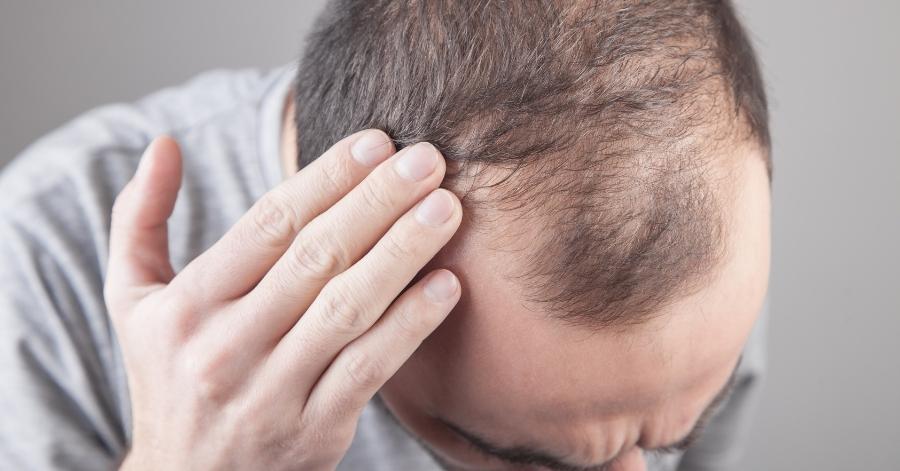
1. Male-Pattern Baldness (Androgenetic Alopecia)
This is the most common cause of hair loss in men — affecting 85% of men by age 50.
It is driven by genetics and the hormone DHT, a derivative of testosterone.
DHT shrinks hair follicles progressively until they can no longer produce visible hair.
It typically follows the Norwood Scale — starting with a receding hairline at the temples, thinning at the crown, and eventually merging into full baldness.
2. High Testosterone and DHT Levels
Men with higher testosterone convert more of it to DHT — making them more susceptible to baldness.
This is why male-pattern hair loss is more common and more severe in men than women.
3. Age
Hair follicles naturally weaken with age.
Most men notice hairline recession in their 20s or 30s, accelerating in their 40s and 50s.
By age 70, the majority of men show significant thinning.
4. Chronic Stress and Lifestyle Factors
Work pressure, poor sleep, and financial stress elevate cortisol — pushing hair follicles into the resting phase early.
Combined with an unhealthy diet and lack of exercise, this accelerates hair loss significantly.
5. Poor Nutrition
A diet high in processed foods and sugar — and low in protein and vitamins — weakens hair from within.
Men who skip meals or follow protein-deficient diets are at higher risk.
6. Scalp Infections and Dandruff
Chronic dandruff caused by the Malassezia fungus creates an inflamed scalp environment.
This weakens follicles over time and can lead to patchy hair loss if left untreated.
7. Smoking and Alcohol
Smoking restricts blood flow to the scalp — depriving follicles of oxygen and nutrients.
Studies show smokers are significantly more likely to experience premature baldness.
Excessive alcohol depletes zinc, folic acid, and other hair-essential nutrients.
8. Anabolic Steroids
Steroids used for bodybuilding raise DHT levels dramatically.
This accelerates genetic hair loss — and steroid-induced hair loss is often irreversible.
9. Thyroid and Autoimmune Conditions
Though less common in men, thyroid disorders and alopecia areata can cause rapid hair loss.
Alopecia areata often appears as sudden round bald patches on the scalp or beard.
10. Medications
Blood pressure drugs, gout medication, antidepressants, and cholesterol pills can all list hair loss as a side effect.
Men on long-term medication should consult their doctor if they notice increased shedding.
Treatment & Management
Medical Treatments:
- Minoxidil (Rogaine) — Topical solution applied to scalp; available OTC for both men and women. Stimulates follicles and slows hair loss. Results in 3–6 months.
- Finasteride (Propecia) — Oral prescription medication for men. Blocks DHT production. Highly effective for male-pattern baldness.
- Spironolactone — For women with hormonal hair loss; blocks androgen receptors.
- PRP (Platelet-Rich Plasma) Therapy — Injections of growth-factor-rich plasma to stimulate follicle activity.
- Hair Transplant Surgery (FUE/FUT) — Permanent solution for advanced hair loss; transplants healthy follicles to balding areas.
- Low-Level Laser Therapy (LLLT) — FDA-cleared red light devices that energize hair follicles.
Home Remedies & Natural Care:
- Scalp massage with coconut oil, castor oil, or argan oil
- Onion juice applied to scalp (rich in sulfur, shown to boost regrowth)
- Green tea rinse — antioxidants support follicle health
- Aloe vera — soothes scalp inflammation and unblocks follicles
Diet Recommendations:
- Eat eggs, fish, lentils, nuts, spinach, and sweet potatoes
- Stay hydrated (minimum 8 glasses of water daily)
- Take doctor-recommended supplements: Biotin, Iron, Zinc, Vitamin D
Lifestyle Tips:
- Manage stress through exercise, meditation, and quality sleep
- Avoid tight hairstyles and heat styling tools
- Quit smoking and reduce alcohol intake
- Use gentle, sulfate-free shampoos
Conclusion
Hair loss is a multifaceted condition that affects millions of people — but it is not a hopeless one. Whether you are dealing with genetics, hormonal shifts, nutritional gaps, or stress, understanding the root cause is the first and most powerful step toward effective treatment. Both men and women have unique biological reasons for hair loss, and targeted solutions exist for each.
With early diagnosis, consistent treatment, and healthy lifestyle habits, it is entirely possible to slow, stop, or even reverse hair loss — and restore not just your hair, but also your confidence.
Read More:

Welcome to Health Line Tips! I’m Mazhar Hayyat, an AI-Powered SEO, and Content Writer with 4 years of experience. I help websites rank higher, get more traffic, and look amazing. My goal is to make SEO and web design simple and effective for everyone. Let’s achieve more together!