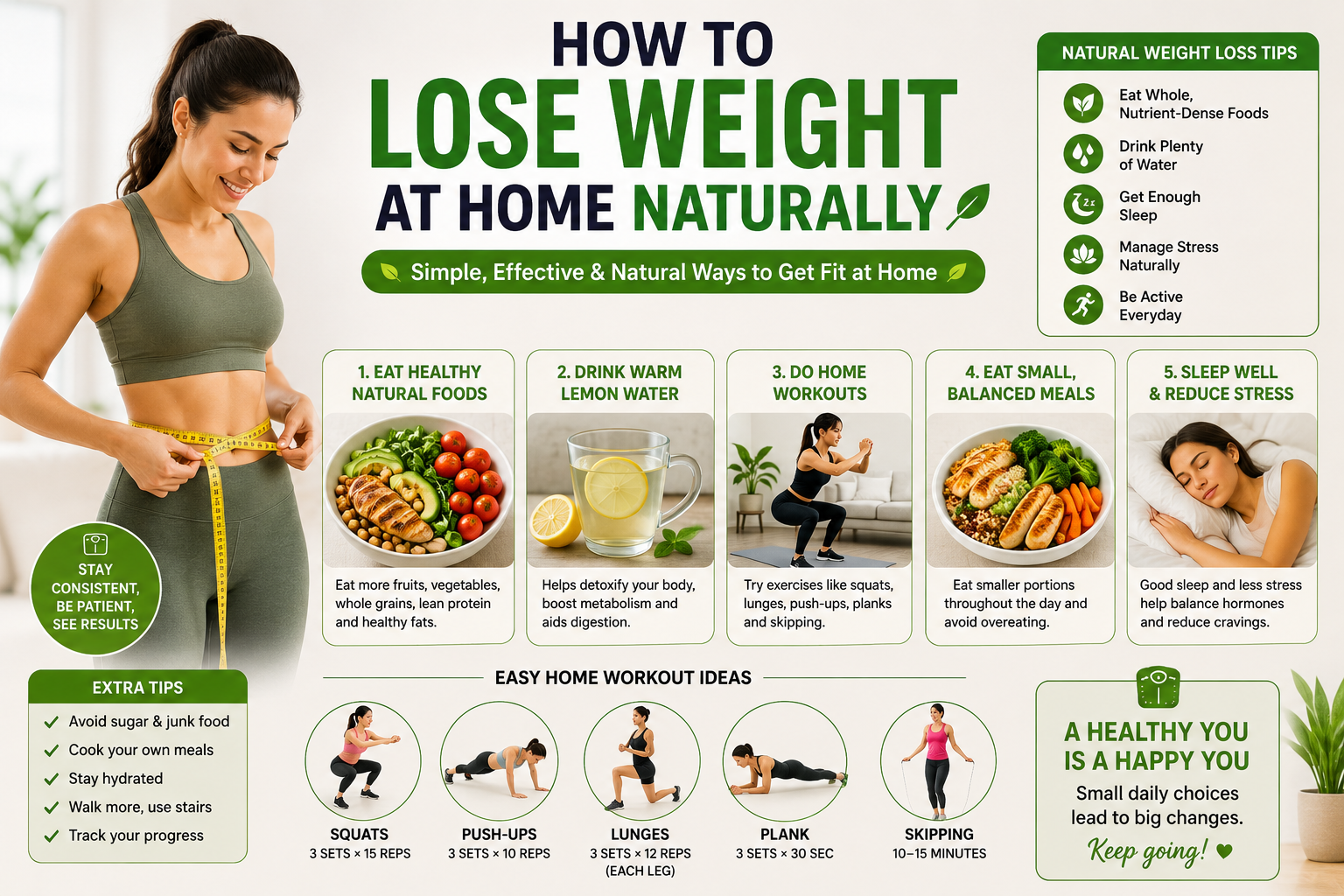
Cutting back on highly processed foods, sipping green tea regularly, and adding probiotics to your routine are simple, natural approaches that may support weight loss. Keep in mind that results don’t happen at the same pace for everyone—each method works differently depending on your body and lifestyle.
The internet is full of weight loss advice, but not all of it is reliable. In fact, much of what you see online is based on myths or trends rather than real scientific evidence.
The good news is that some natural strategies are backed by research and actually deliver results. Below, you’ll find 29 practical ways to lose weight naturally—along with the science that supports them.

Increase Your Protein Intake
When it comes to losing weight, protein stands out as one of the most effective nutrients. Your body uses more energy to digest and process protein compared to fats or carbohydrates, which can help support a higher metabolism.
Protein also plays a key role in keeping you satisfied. It helps reduce hunger and control cravings, making it easier to eat fewer calories throughout the day. Research shows that people who follow a high-protein diet often naturally cut back on their overall calorie intake.
Even small changes can make a difference—for example, starting your day with a protein-rich breakfast like eggs can help you feel fuller for longer and prevent overeating later on.
Focus on Whole, Natural Foods
One of the simplest ways to improve your health is by choosing foods in their natural, unprocessed form. Building your meals around single-ingredient options helps you avoid excess sugar, unhealthy fats, and heavily processed items.
Whole foods are generally more satisfying, which makes it easier to manage your calorie intake without feeling deprived. They also supply your body with essential vitamins, minerals, and nutrients needed for proper function.
When you consistently eat this way, weight loss often happens naturally as a result of healthier eating habits.
Cut Back on Processed Foods
Highly processed foods often come packed with extra sugar, unhealthy fats, and excess calories. These ingredients can quickly add up and make it harder to maintain a healthy diet.
On top of that, many processed products are designed to be extremely tasty and hard to resist, which can lead to overeating. Compared to whole, natural foods, they’re far more likely to encourage cravings and mindless snacking.
Keep Healthy Foods and Snacks Within Reach
Research shows that what you store at home has a strong influence on your eating habits and overall weight. When your kitchen is filled with nutritious options, you’re more likely to make healthier choices and avoid reaching for junk food.
Having wholesome foods readily available also reduces the temptation for you and your family to snack on less healthy items.
There are plenty of simple, healthy snacks you can prepare or grab on the go, such as yogurt, fresh fruits, nuts, carrots, and boiled eggs.
Reduce Your Intake of Added Sugar
Consuming too much added sugar is strongly linked to serious health problems such as heart disease, type 2 diabetes, and even certain types of cancer.
Many people unknowingly consume high amounts of sugar every day because it’s often hidden in processed foods. On average, intake levels are much higher than recommended, largely due to sugars being listed under different names on ingredient labels, making them hard to spot.
Being mindful of how much added sugar you eat and cutting back where possible can make a big difference in improving your overall diet and long-term health.
Stay Hydrated with Water
Drinking enough water can play a helpful role in weight management. It’s not just a myth—proper hydration can support your efforts to lose weight.
Having a glass of water before meals may help you feel fuller, which can naturally lead to eating fewer calories. Timing matters too, as drinking water about 30–120 minutes before eating may enhance this effect.
Water becomes even more beneficial when you choose it instead of sugary or high-calorie drinks, helping you cut down on unnecessary calorie intake.

Enjoy Unsweetened Coffee
Coffee is rich in antioxidants and contains several compounds that can benefit your health. It may also support weight loss by boosting your energy and helping your body burn more calories.
Drinking caffeinated coffee has been linked to a lower risk of developing type 2 diabetes as well.
When consumed without added sugar or cream, black coffee is especially helpful for weight management. It can promote a feeling of fullness while contributing very few calories to your diet.
Consider Glucomannan as a Supplement
Glucomannan is a natural dietary fiber that has shown positive results in weight management. It is extracted from the root of the konjac plant, sometimes called elephant yam, and is known for being very low in calories.
Once consumed, it expands in the stomach, helping you feel fuller for longer and slowing down digestion. It may also reduce the absorption of certain nutrients like fat and protein while supporting healthy gut bacteria.
Its ability to absorb large amounts of water is what makes it especially effective. Even a small dose can turn into a gel-like substance in the stomach, increasing fullness and reducing appetite.
Cut Down on Liquid Calories
Many people don’t realize how many calories they consume through drinks like soda, fruit juices, energy drinks, and flavored milk beverages such as chocolate milk.
These drinks can quietly add a large amount of sugar and calories to your diet without making you feel full. Regular consumption is linked to a higher risk of obesity, type 2 diabetes, heart disease, and even certain cancers.
Reducing or avoiding sugary drinks and choosing healthier options can make a big difference in your overall health and weight control.
Reduce Refined Carbohydrates
Refined carbs are heavily processed carbohydrates that lose most of their natural fiber and nutrients during manufacturing. What’s left is quickly digested by the body, which can lead to increased hunger and overeating.
Common sources include white bread, white rice, pastries, sugary cereals, soda, snacks, pasta made from refined flour, and other sweetened products. Limiting these foods and choosing whole, unprocessed carbohydrate sources instead can support better weight control and overall health.
Try Intermittent Fasting
Intermittent fasting is an eating approach that alternates between periods of eating and fasting. Popular methods include the 16:8 pattern, the 5:2 plan, and the eat-stop-eat approach.
Instead of focusing on what you eat, this method focuses on when you eat, often leading to a natural reduction in calorie intake without strict dieting.
As a result, many people find it easier to lose weight with intermittent fasting, although long-term effects are still being studied.
Drink Green Tea Without Sugar
Green tea is a natural drink packed with antioxidants that may help support fat burning and weight management. Regular consumption has been linked to several health benefits, including improved metabolism.
A more concentrated form, matcha green tea, may offer even stronger effects due to its higher nutrient content.
Choosing unsweetened green tea can be a simple and healthy addition to your daily routine.
Increase Your Intake of Fruits and Vegetables
Fruits and vegetables are among the most nutritious and weight-friendly foods you can include in your diet. They are rich in water, fiber, and essential nutrients while being naturally low in calories.
Because of their low energy density, you can eat larger portions without consuming too many calories, which helps with satiety and weight control.
Research shows that people who eat more fruits and vegetables tend to experience better weight management and overall health improvements.

Welcome to Health Line Tips! I’m Mazhar Hayyat, an AI-Powered SEO, and Content Writer with 4 years of experience. I help websites rank higher, get more traffic, and look amazing. My goal is to make SEO and web design simple and effective for everyone. Let’s achieve more together!