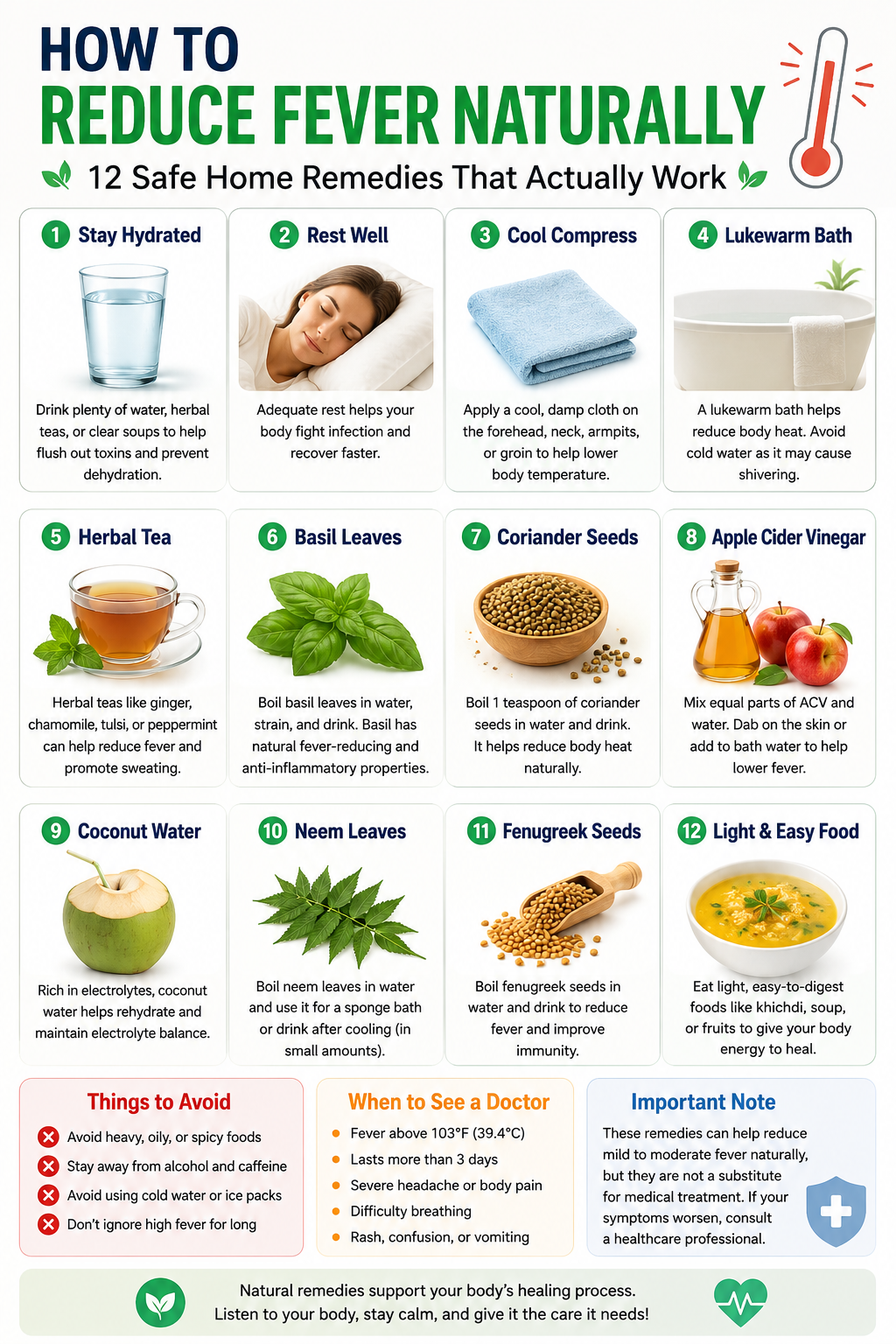

A sore throat can derail your entire day — every swallow hurts, talking feels like a chore, and even drinking water becomes uncomfortable. Whether it’s caused by a cold, allergies, dry air, overuse of your voice, or a mild infection, the good news is that most throat pain can be eased quickly using simple, natural remedies you likely already have at home.
This guide covers the fastest, most effective ways to relieve throat pain immediately, what causes it in the first place, and when it’s time to see a doctor.
Related- Sore Throat Remedies: Top Natural Remedies for Fast
What Causes Throat Pain?
Before jumping into remedies, it helps to understand why your throat hurts. Common causes include:
- Viral infections (colds, flu) — the most frequent cause of sore throats
- Bacterial infections such as strep throat
- Allergies and post-nasal drip
- Dry indoor air, especially in winter or with air conditioning
- Acid reflux irritating the throat lining
- Overusing your voice through shouting or singing
- Smoking or exposure to irritants like smoke and pollution
Identifying the likely cause can help you choose the most effective remedy.
1. Gargle With Warm Salt Water
This is one of the fastest and most trusted home remedies for throat pain. Salt water helps reduce swelling, loosens mucus, and creates an environment that’s less hospitable to bacteria and viruses.
How to do it: Mix half a teaspoon of salt into a cup of warm water and gargle for 30 seconds, several times a day.
2. Drink Warm Honey and Lemon Water
Honey has natural soothing and antibacterial properties, while lemon provides vitamin C and helps cut through mucus. Together, they coat and calm an irritated throat almost instantly.
How to do it: Stir one to two tablespoons of honey and a squeeze of fresh lemon juice into a cup of warm (not boiling) water. Sip slowly.
Note: Honey should not be given to children under one year old due to the risk of infant botulism.
3. Stay Hydrated
Dehydration can make throat pain worse by drying out the mucous membranes. Drinking plenty of fluids keeps your throat moist and helps thin mucus, making it easier for your body to clear irritants.
Aim for water, herbal teas, clear broths, and warm (not hot) liquids throughout the day. Avoid excessive caffeine and alcohol, as both can be dehydrating.
4. Use a Humidifier or Steam Inhalation
Dry air is a major contributor to throat irritation. Adding moisture to the air can provide rapid relief.
- Run a humidifier in your bedroom, especially overnight.
- Alternatively, sit in a steamy bathroom for 10–15 minutes or inhale steam from a bowl of hot water with a towel over your head.

5. Suck on Throat Lozenges or Hard Candy
Lozenges stimulate saliva production, which naturally keeps the throat moist and reduces the urge to cough — a major source of additional irritation. Look for lozenges containing menthol, honey, or eucalyptus for an extra soothing effect.
6. Try Herbal Teas
Certain herbal teas have natural anti-inflammatory and soothing properties:
- Chamomile tea — calming and mildly anti-inflammatory
- Ginger tea — helps reduce inflammation and has antimicrobial properties
- Licorice root tea — coats and soothes the throat lining
- Peppermint tea — contains menthol, which has a cooling, numbing effect
Add a spoonful of honey to any of these for extra relief.
7. Rest Your Voice
If your throat pain stems from overuse — shouting, singing, or talking for long periods — the simplest cure is rest. Avoid whispering, too, as it can actually strain your vocal cords more than speaking normally.
8. Apply a Warm Compress
Wrapping a warm towel or heating pad around your neck can help relax the muscles and ease throat discomfort, especially if swollen glands are contributing to the pain.
9. Use Over-the-Counter Pain Relievers
For more immediate and noticeable relief, over-the-counter medications like acetaminophen or ibuprofen can reduce both pain and inflammation. Always follow the dosage instructions on the packaging, and consult a pharmacist or doctor if you have underlying health conditions or take other medications.
10. Try an Apple Cider Vinegar Rinse
Apple cider vinegar has mild antibacterial properties and can help break down mucus. Some people find it provides quick relief, though it should always be diluted to avoid irritating the throat further.
How to do it: Mix one tablespoon of apple cider vinegar with a cup of warm water and gargle for a few seconds before spitting it out.
11. Eat Soft, Soothing Foods
When your throat hurts, avoid anything crunchy, spicy, or acidic. Instead, opt for:
- Warm soups and broths
- Mashed potatoes
- Oatmeal
- Yogurt
- Smoothies
These foods are gentle on an inflamed throat and still provide nutrition while you recover.
12. Avoid Irritants
Smoke, strong perfumes, and pollution can all aggravate throat pain. If possible, avoid these triggers entirely while your throat heals, and consider using an air purifier indoors.
13. Elevate Your Head While Sleeping
If your throat pain is linked to post-nasal drip or acid reflux, sleeping with your head slightly elevated can reduce irritation overnight and help you wake up with less discomfort.
14. Try Saltwater Nasal Rinses
If post-nasal drip is contributing to your sore throat, a saline nasal rinse can help clear mucus from your sinuses before it drips down and irritates your throat further.
15. Consider Natural Antimicrobial Remedies
Some natural ingredients have shown antimicrobial properties that may support throat healing:
- Garlic — contains allicin, known for antimicrobial effects
- Turmeric — can be mixed into warm milk for its anti-inflammatory properties
- Cinnamon — has antibacterial qualities and pairs well with honey
These aren’t replacements for medical treatment but can complement other remedies.
How Long Does Throat Pain Usually Last?
Most throat pain caused by viral infections improves within three to seven days. Pain caused by dry air, allergies, or voice strain often clears up much faster once the underlying cause is addressed — sometimes within a day or two of consistent home care.
When to See a Doctor
While most sore throats resolve on their own, certain symptoms signal that you should seek medical attention:
- Throat pain lasting longer than a week
- Difficulty breathing or swallowing
- High fever (above 101°F / 38.3°C)
- Pus or white patches on the tonsils
- Severe pain that doesn’t improve with home remedies
- A rash accompanying the sore throat
- Swollen glands that don’t go down
These symptoms could indicate strep throat, tonsillitis, or another condition that may require antibiotics or further evaluation.
Quick Relief Summary
| Remedy | Best For | Time to Relief |
|---|---|---|
| Salt water gargle | General inflammation | Minutes |
| Honey and lemon | Soothing, coating throat | Minutes |
| Humidifier/steam | Dry air irritation | 15–20 minutes |
| Herbal tea | Mild inflammation | Minutes |
| OTC pain relievers | Moderate to severe pain | 30–60 minutes |
| Voice rest | Strain-related pain | Hours to days |
Final Thoughts
Throat pain is uncomfortable, but it’s usually manageable with simple, natural remedies. Combining a few methods — like warm salt water gargles, honey and lemon tea, plenty of fluids, and a humidifier — often brings the fastest relief. Listen to your body, rest when needed, and don’t hesitate to see a doctor if your symptoms are severe or don’t improve within a week.
This article is for informational purposes only and is not a substitute for professional medical advice. Always consult a healthcare provider for persistent or severe symptoms.
Read More:
- What Kills a Sore Throat Fast? 11 Effective Remedies for
- Fever Symptoms, Types, Causes and Treatment
- The Health Effects of Smoking: Why Is Smoking Bad for You?
- Sore Throat Remedies: Top Natural Remedies for Fast

Welcome to Health Line Tips! I’m Mazhar Hayyat, an AI-Powered SEO, and Content Writer with 4 years of experience. I help websites rank higher, get more traffic, and look amazing. My goal is to make SEO and web design simple and effective for everyone. Let’s achieve more together!