
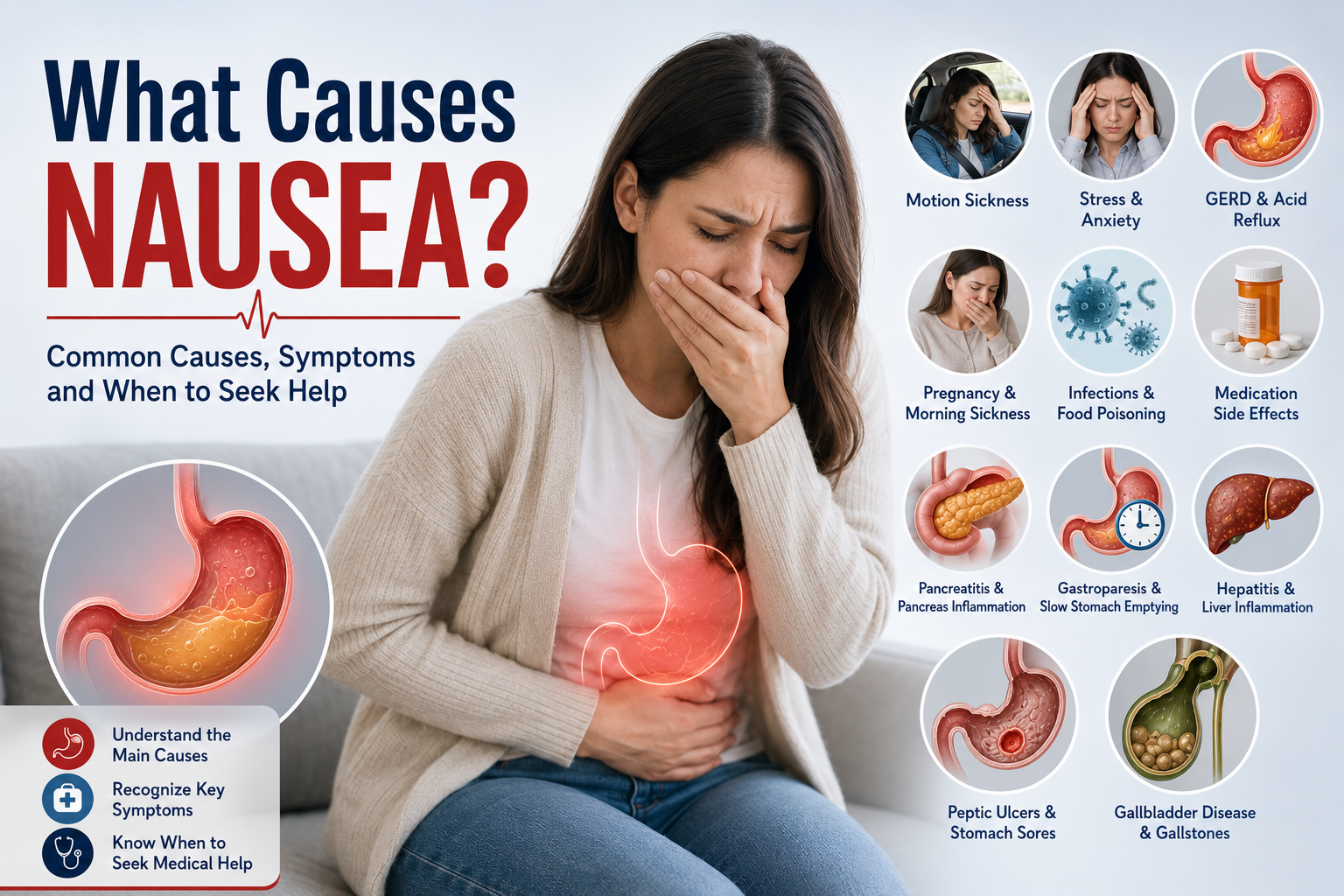
Nausea is a common condition that creates an uneasy feeling in the stomach and often triggers the urge to vomit. It can develop for many reasons, including motion sickness, stress, digestive disorders, viral infections, overeating, or certain medications. While occasional nausea is usually harmless, persistent symptoms may point to an underlying medical issue that requires attention. Learning about nausea causes is important for understanding the condition, managing symptoms effectively, and improving overall digestive health.
The digestive system relies on rhythmic muscle contractions, known as peristalsis, to move food smoothly from the esophagus through the stomach and intestines. This natural process supports digestion and helps the body absorb essential nutrients. In some situations, these movements can reverse, forcing stomach contents back toward the esophagus and mouth. This reverse flow may lead to vomiting, stomach discomfort, and other symptoms commonly associated with nausea.
An Overview of Nausea
Nausea is a common digestive symptom that causes an uneasy feeling in the stomach along with the urge to vomit. It can develop due to various factors such as motion sickness, infections, food poisoning, stress, digestive disorders, or the side effects of certain medications. While some individuals experience mild nausea without vomiting, others may also notice symptoms like dizziness, stomach pain, weakness, or loss of appetite. Although nausea is usually temporary, ongoing or severe symptoms should not be ignored, as they may signal an underlying medical condition.
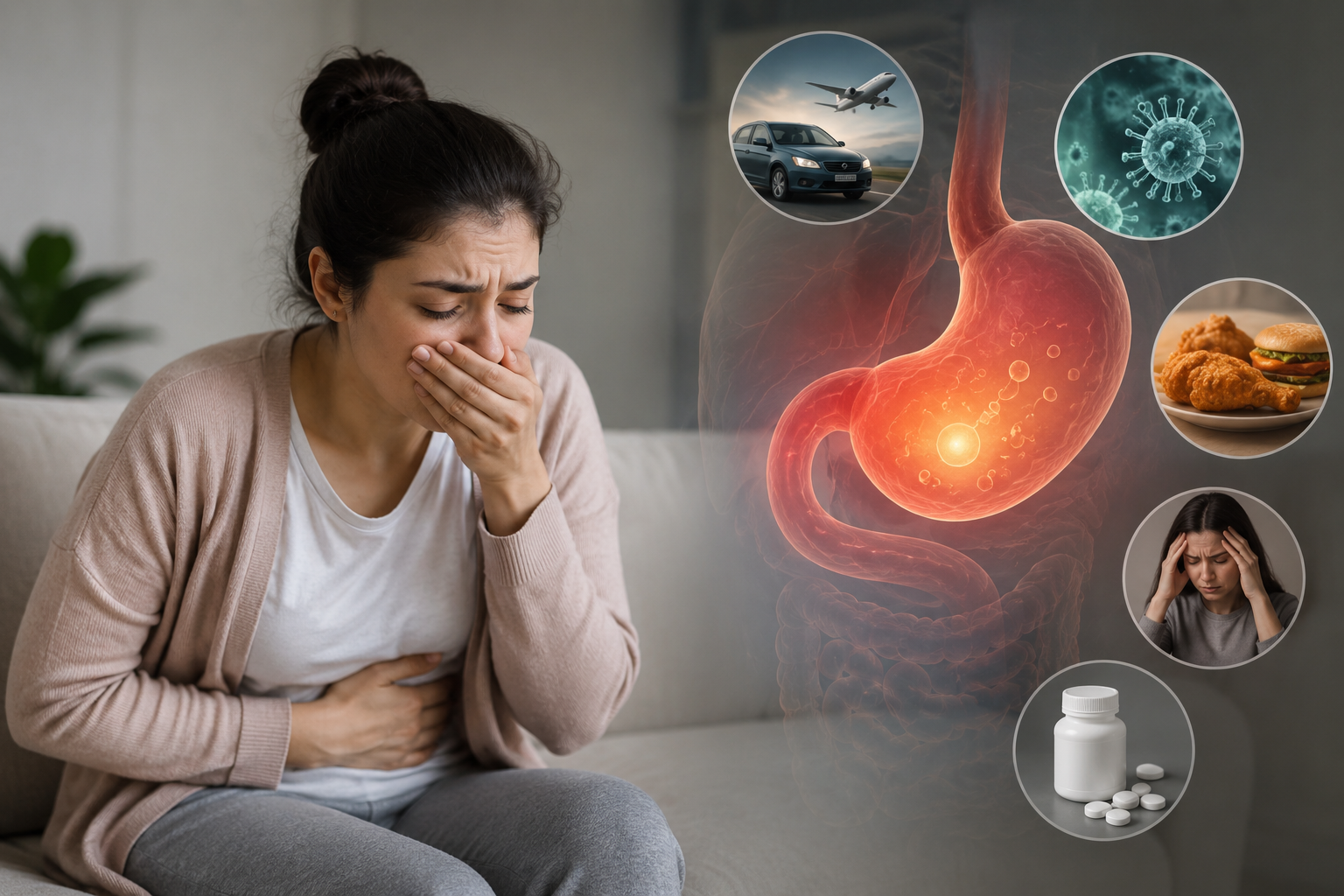
In many situations, nausea serves as the body’s natural response to harmful substances or irritation within the digestive system. When the stomach detects toxins, infections, or digestive disturbances, it may trigger feelings of discomfort and the urge to expel stomach contents. This condition can affect daily activities and overall well-being if not managed properly. Recognizing the symptoms and possible causes of nausea can help support early treatment, better symptom control, and improved digestive health.
Main Causes of Nausea
Nausea is a common symptom that can develop due to a wide range of health conditions, lifestyle factors, digestive issues, hormonal changes, infections, or medication side effects. It is usually described as an uneasy feeling in the stomach accompanied by the urge to vomit. While nausea is often temporary, frequent or persistent symptoms may indicate an underlying medical condition that requires proper diagnosis and treatment. Understanding the possible causes of nausea can help improve symptom management and support better digestive and overall health.
Motion Sickness and Sensitivity to Movement
Some individuals experience nausea when traveling by car, airplane, boat, or other forms of transportation. This condition, commonly known as motion sickness or seasickness, occurs when the brain receives conflicting signals from the eyes, inner ears, and body movement. Symptoms may include dizziness, sweating, headache, and stomach discomfort.

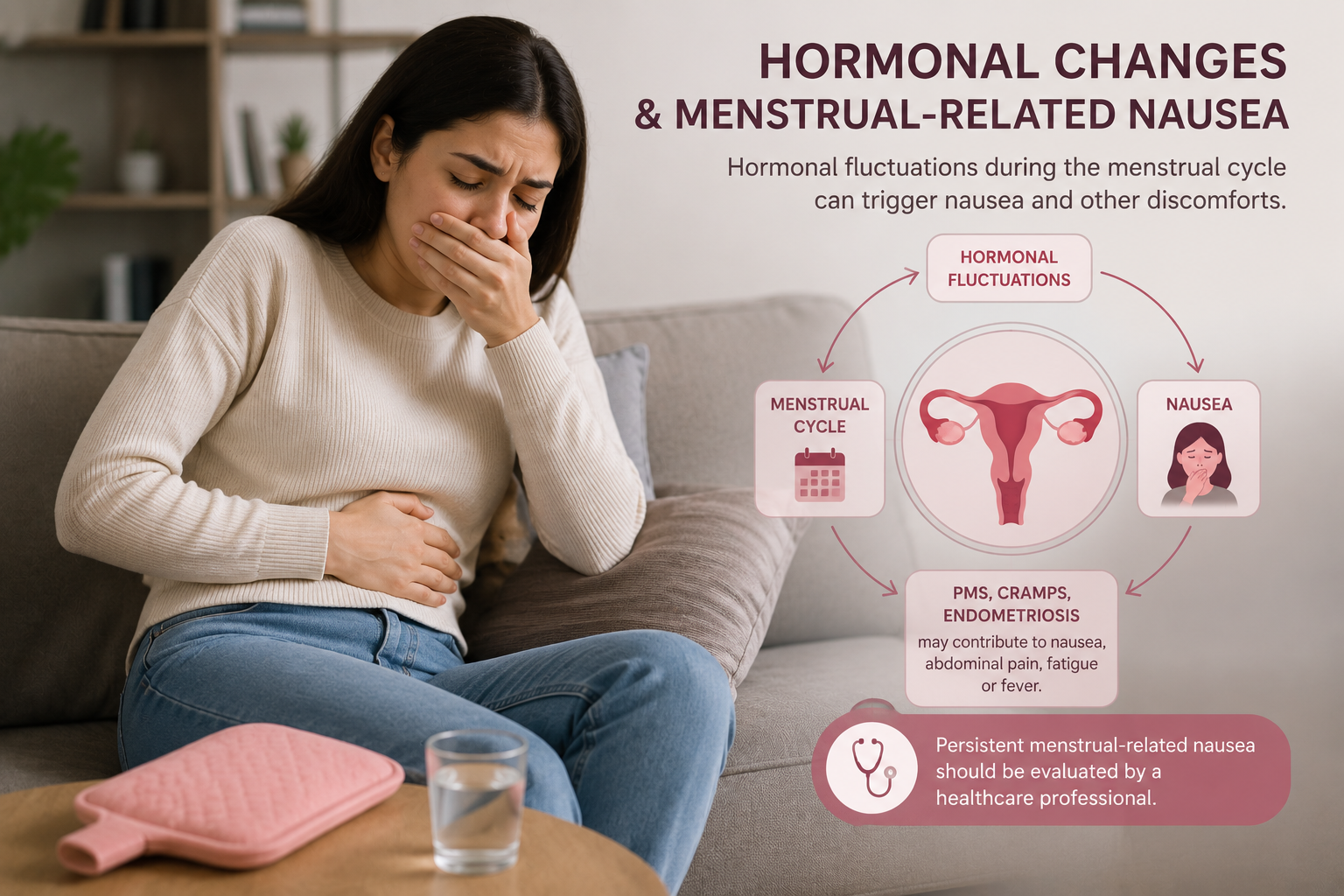
Hormonal Changes and Menstrual-Related Nausea
Hormonal fluctuations during the menstrual cycle can trigger nausea in many women. Conditions such as premenstrual syndrome (PMS), endometriosis, or painful menstrual cramps may also contribute to nausea, along with symptoms like abdominal pain, fatigue, or fever. Persistent menstrual-related nausea should be evaluated by a healthcare professional.
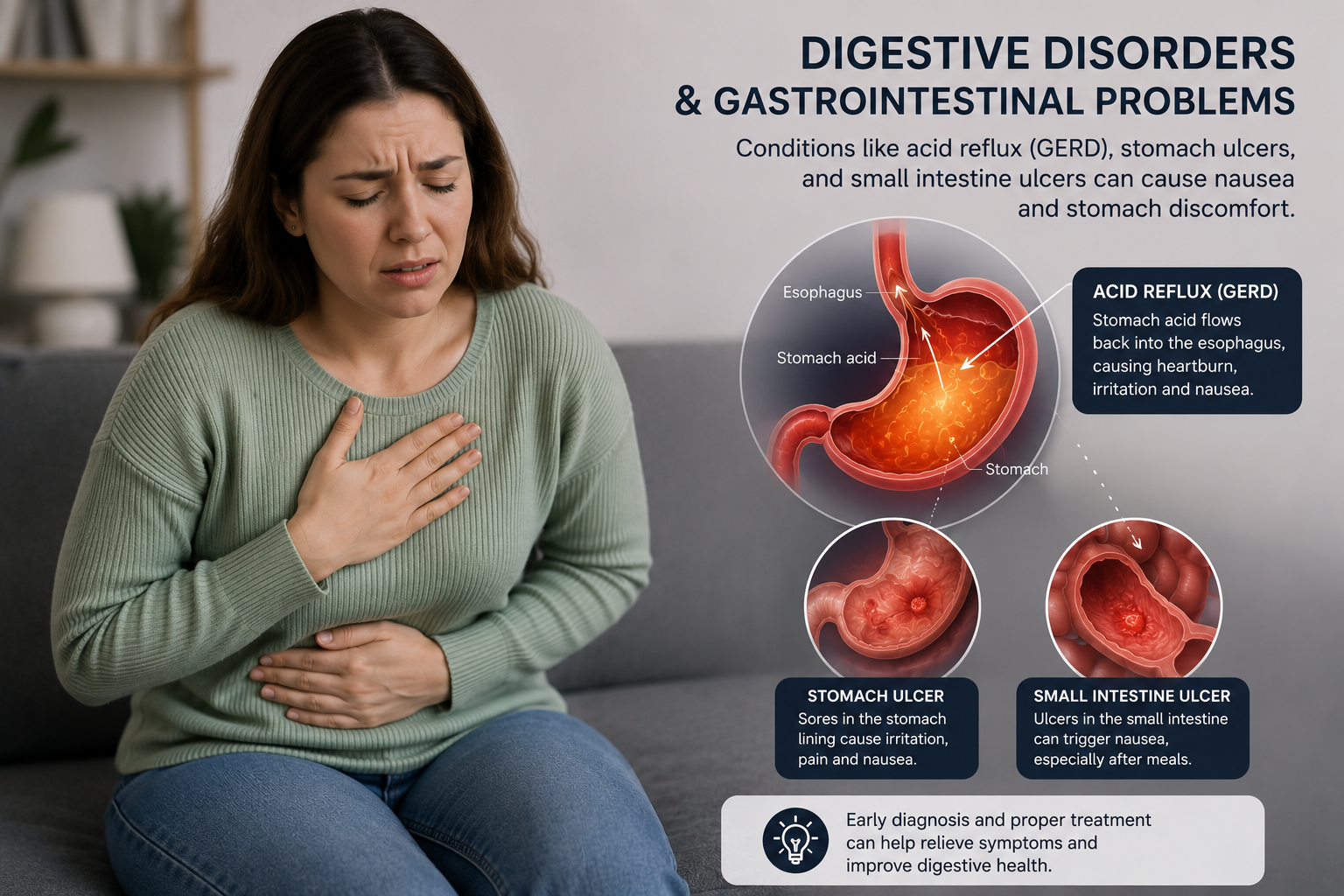
Digestive Disorders and Gastrointestinal Problems
Several digestive system conditions can lead to nausea and stomach discomfort. Acid reflux, also known as GERD, is one of the most common causes. It occurs when stomach acid flows back into the esophagus, causing heartburn, irritation, and nausea. Stomach ulcers and small intestine ulcers may also trigger nausea, especially after meals, due to inflammation and irritation in the digestive tract.
Viral and Bacterial Infections
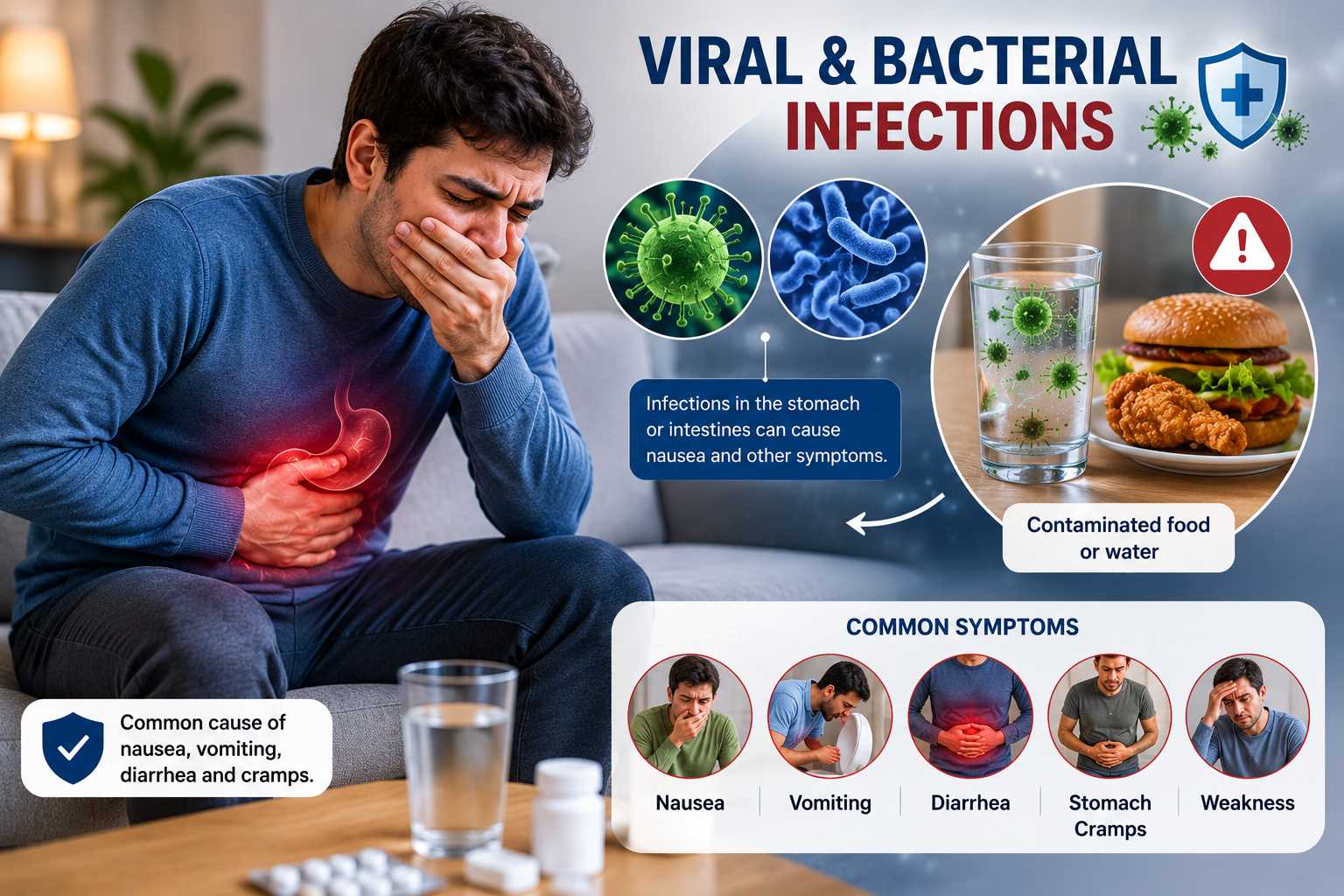
Bacterial and viral infections affecting the stomach or intestines frequently cause nausea. Food poisoning from contaminated food or water can result in nausea, vomiting, diarrhea, stomach cramps, and weakness. Viral infections such as stomach flu may also affect digestion and lead to temporary nausea symptoms.
Medication Side Effects
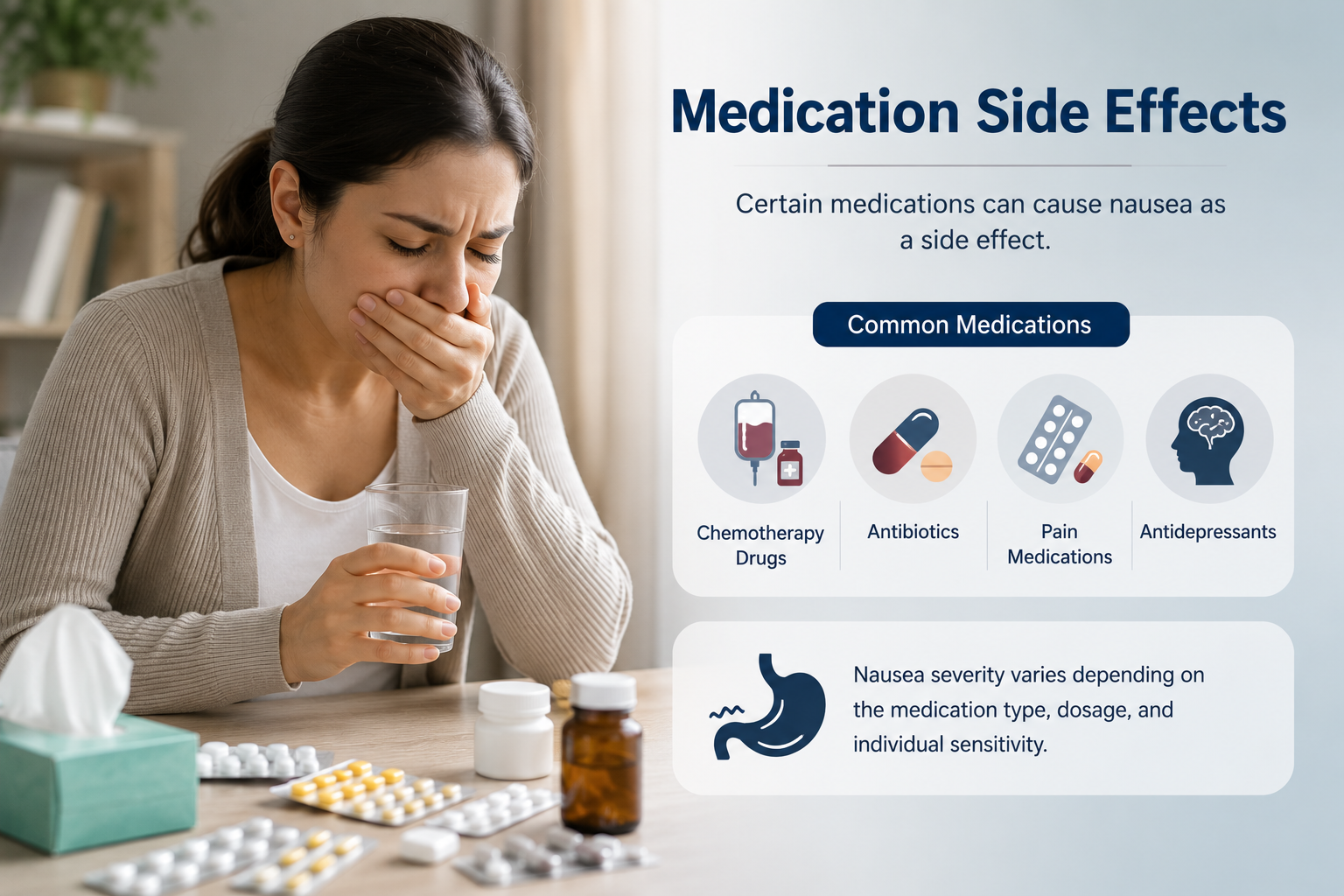
Certain medications may cause nausea as a side effect, particularly strong treatments such as chemotherapy drugs, antibiotics, pain medications, and some antidepressants. The severity of nausea can vary depending on the medication type, dosage, and individual sensitivity.
Pregnancy and Morning Sickness
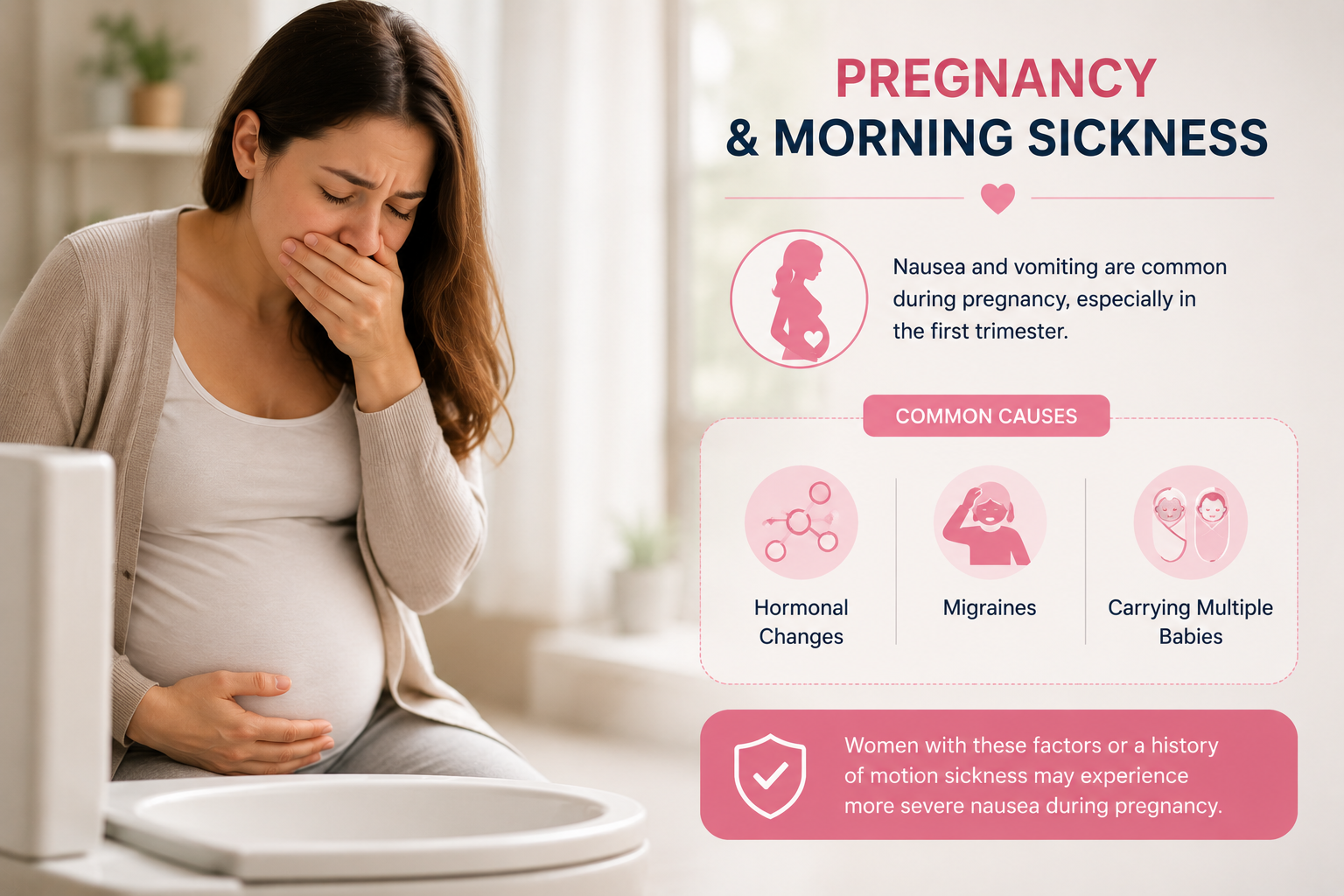
Nausea and vomiting are common during pregnancy, especially in the first trimester. Often referred to as morning sickness, these symptoms may occur at any time of the day due to hormonal changes in the body. Women carrying multiple babies, experiencing migraines, or having a history of motion sickness may be more likely to develop severe nausea during pregnancy.
Gastroesophageal Reflux Disease (GERD)
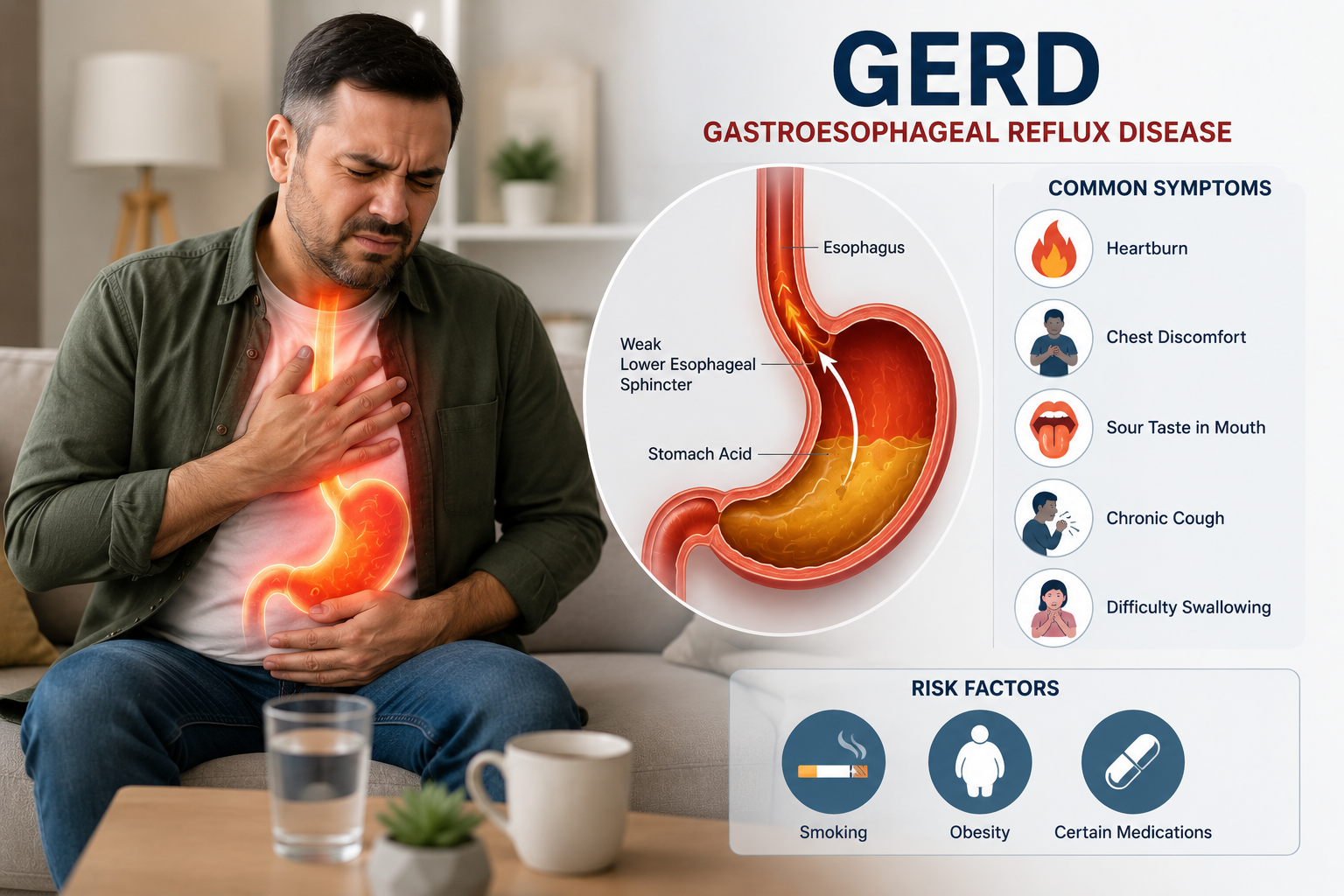
GERD develops when stomach acid repeatedly moves into the esophagus because the lower esophageal muscle becomes weak or relaxed. In addition to nausea, GERD may cause heartburn, chest discomfort, sour taste in the mouth, chronic cough, and difficulty swallowing. Smoking, obesity, and certain medications can increase the risk of GERD.
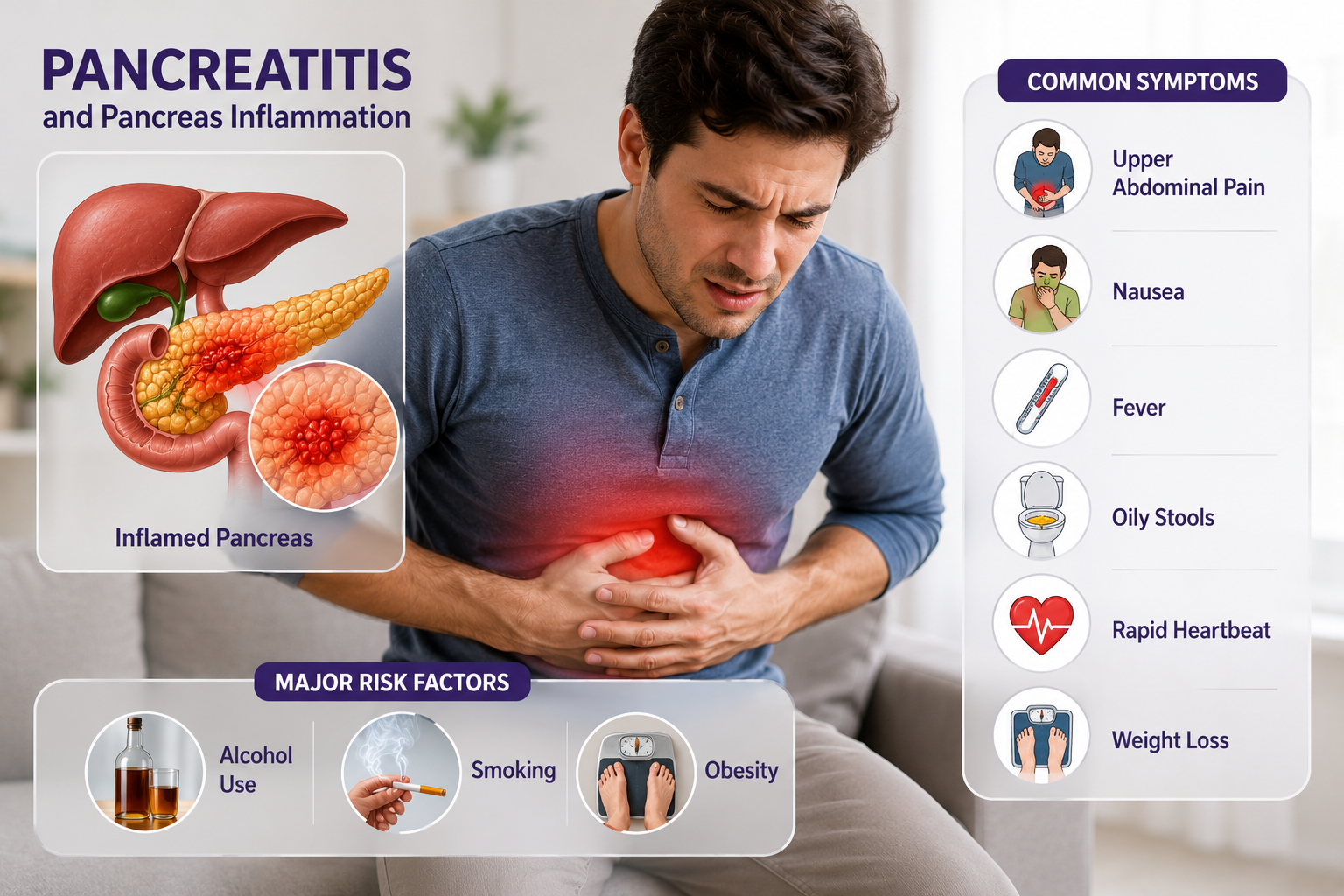
Pancreatitis and Pancreas Inflammation
Pancreatitis is inflammation of the pancreas, an organ responsible for producing digestive enzymes. Acute pancreatitis can develop suddenly, while chronic pancreatitis may continue for years. Common symptoms include upper abdominal pain, nausea, fever, oily stools, rapid heartbeat, and weight loss. Alcohol use, smoking, and obesity are major risk factors.
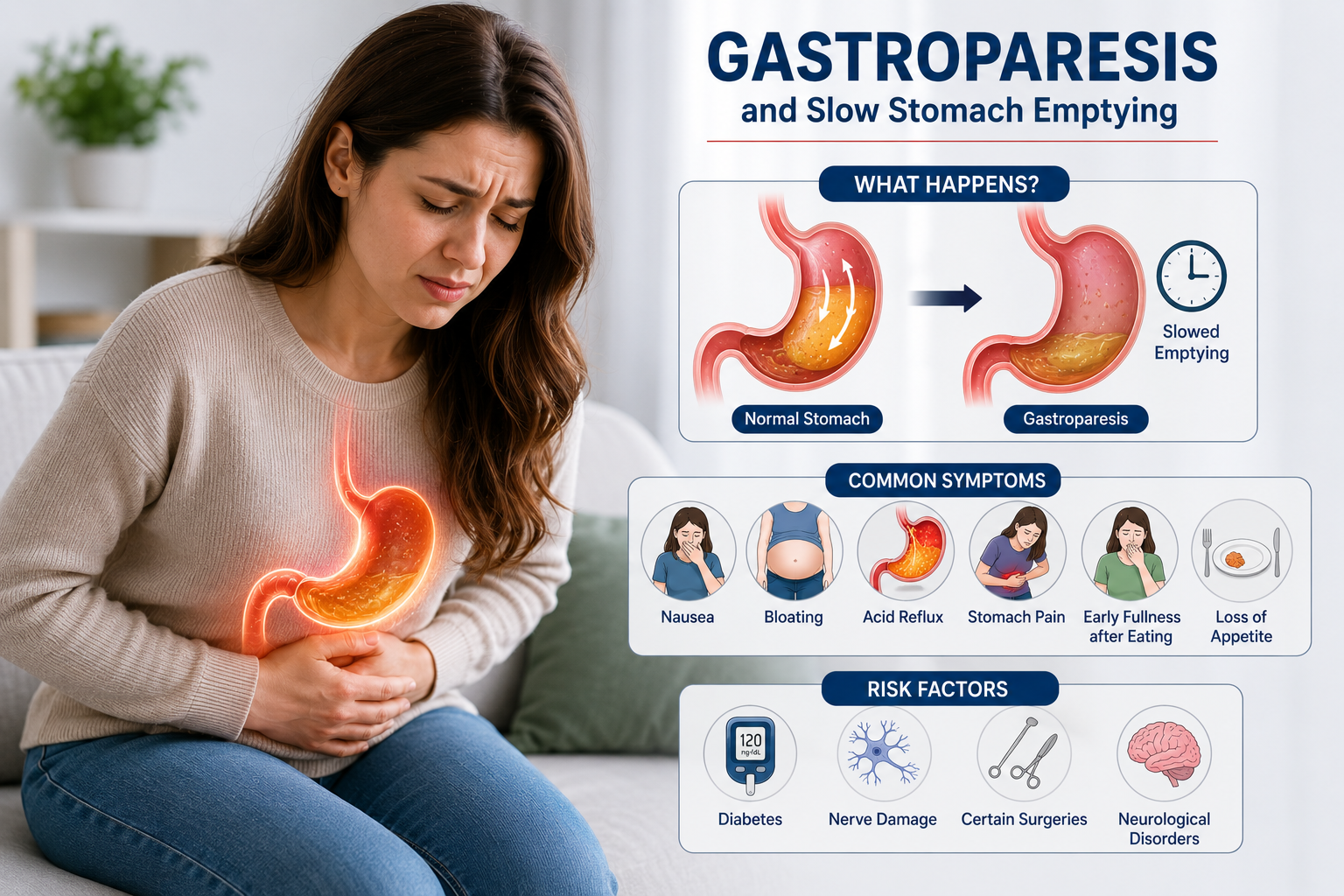
Gastroparesis and Slow Stomach Emptying
Gastroparesis is a digestive condition that slows the movement of food through the stomach. This happens when stomach muscles do not function properly. Symptoms may include nausea, bloating, acid reflux, stomach pain, early fullness after eating, and loss of appetite. Diabetes, nerve damage, certain surgeries, and neurological disorders may increase the risk of gastroparesis.
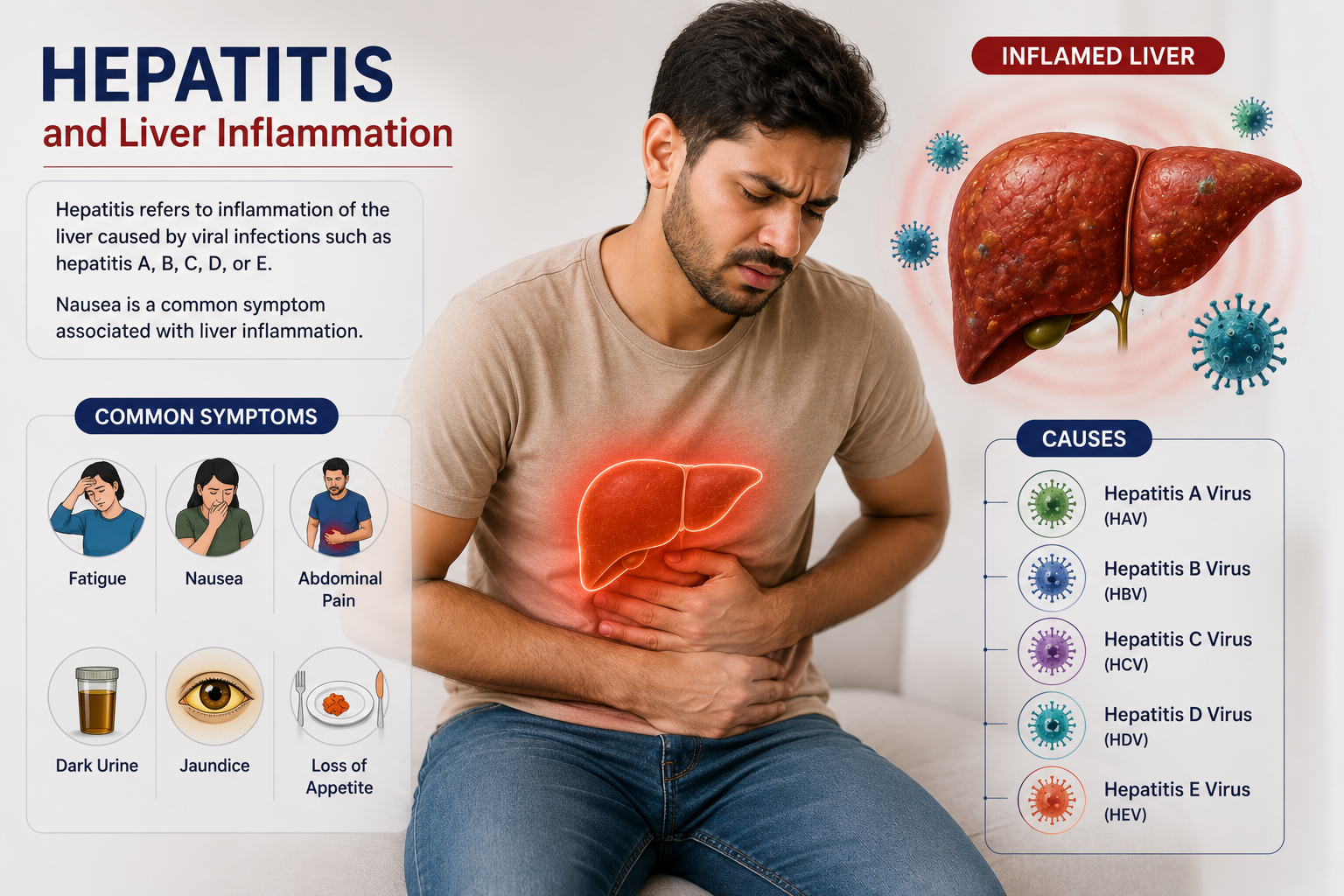
Hepatitis and Liver Inflammation
Hepatitis refers to inflammation of the liver caused by viral infections such as hepatitis A, B, C, D, or E. Nausea is a common symptom associated with liver inflammation. Additional symptoms may include fatigue, abdominal pain, dark urine, jaundice, and loss of appetite. In some cases, untreated hepatitis may lead to serious liver complications.
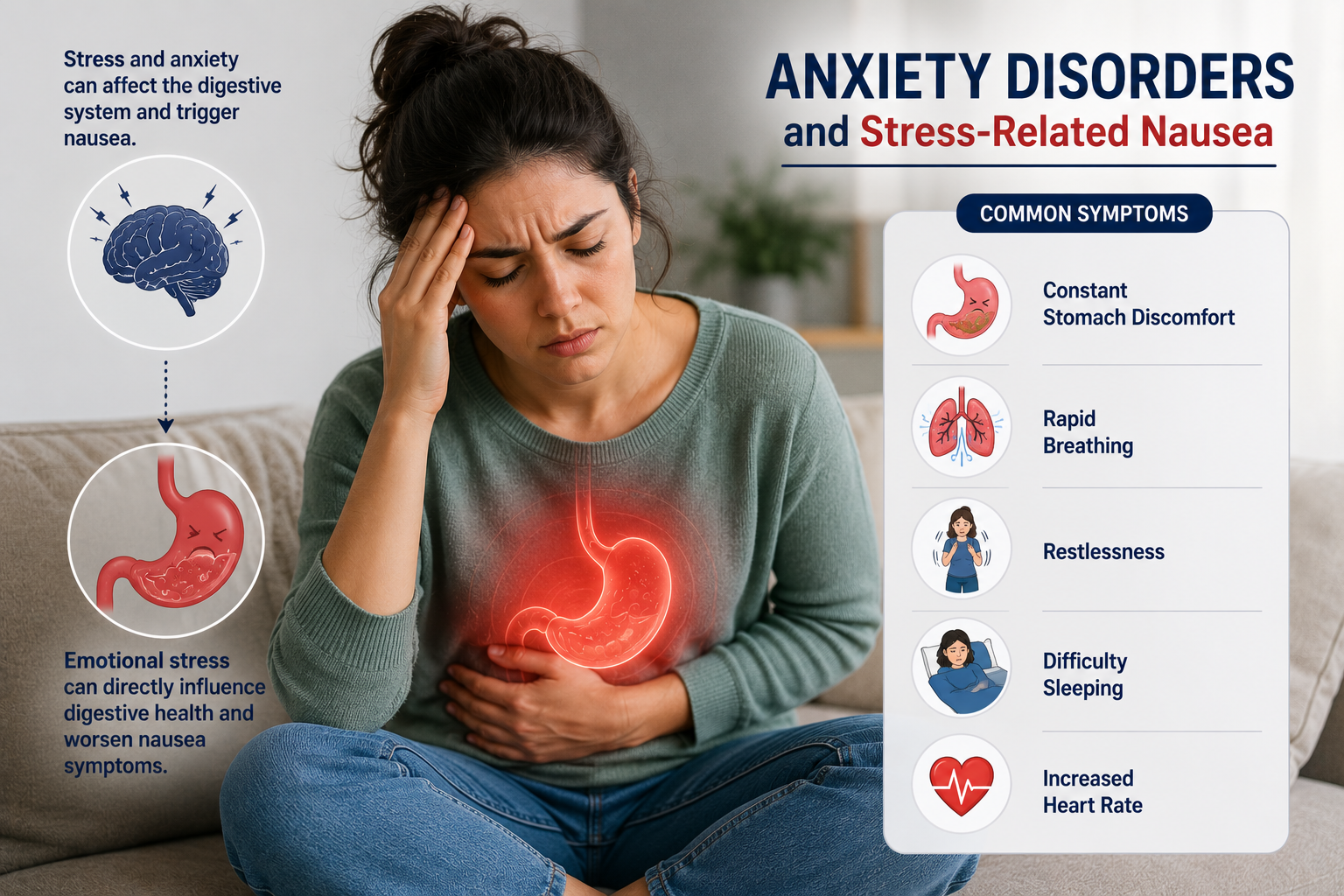
Anxiety Disorders and Stress-Related Nausea
Stress and anxiety can affect the digestive system and trigger nausea. People with anxiety disorders may experience constant stomach discomfort, rapid breathing, restlessness, difficulty sleeping, and increased heart rate. Emotional stress can directly influence digestive health and worsen nausea symptoms.
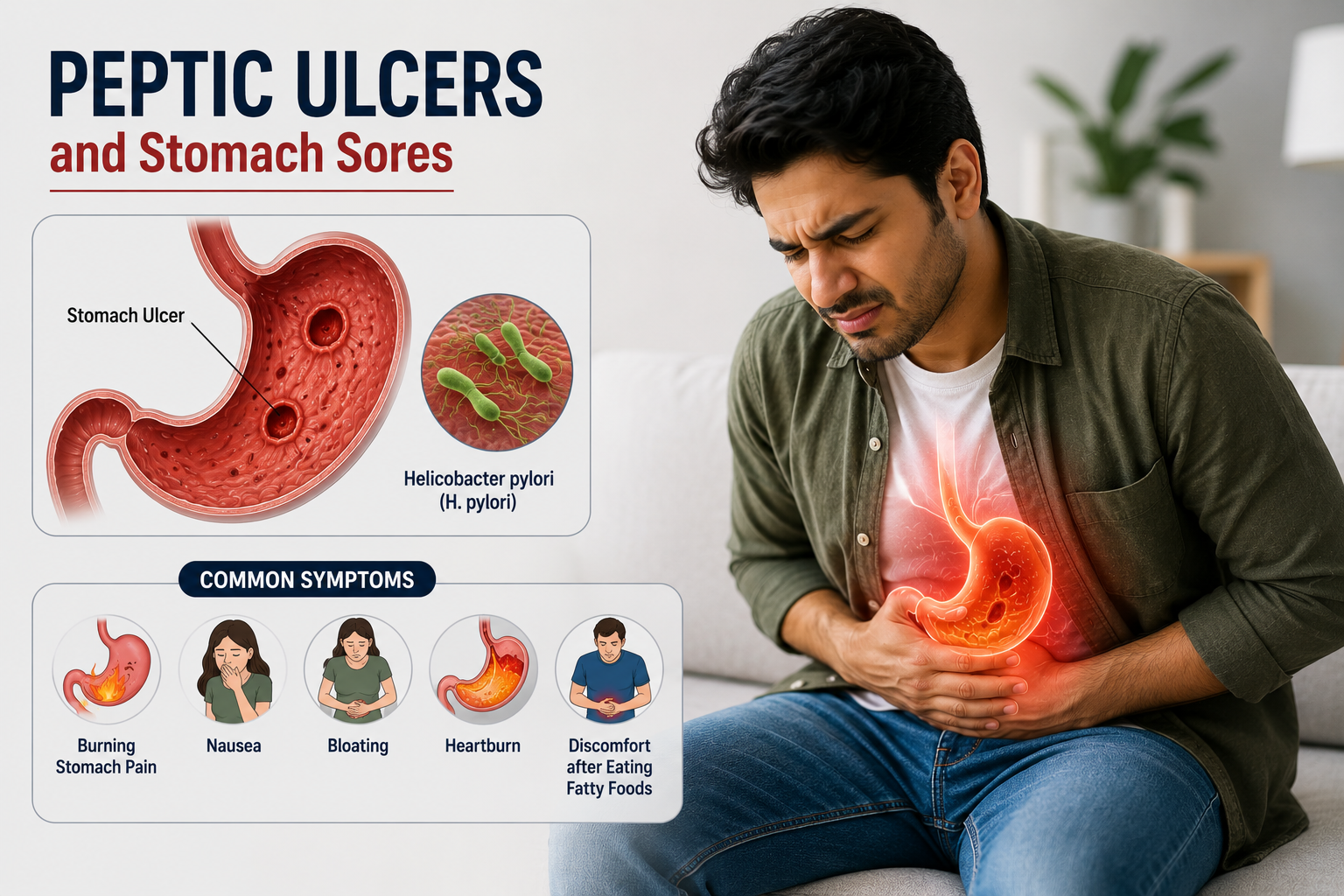
Peptic Ulcers and Stomach Sores
Peptic ulcers are open sores that develop in the stomach lining or upper small intestine. These ulcers are often caused by Helicobacter pylori (H. pylori) infection or long-term use of anti-inflammatory medications. Symptoms may include burning stomach pain, nausea, bloating, heartburn, and discomfort after eating fatty foods.
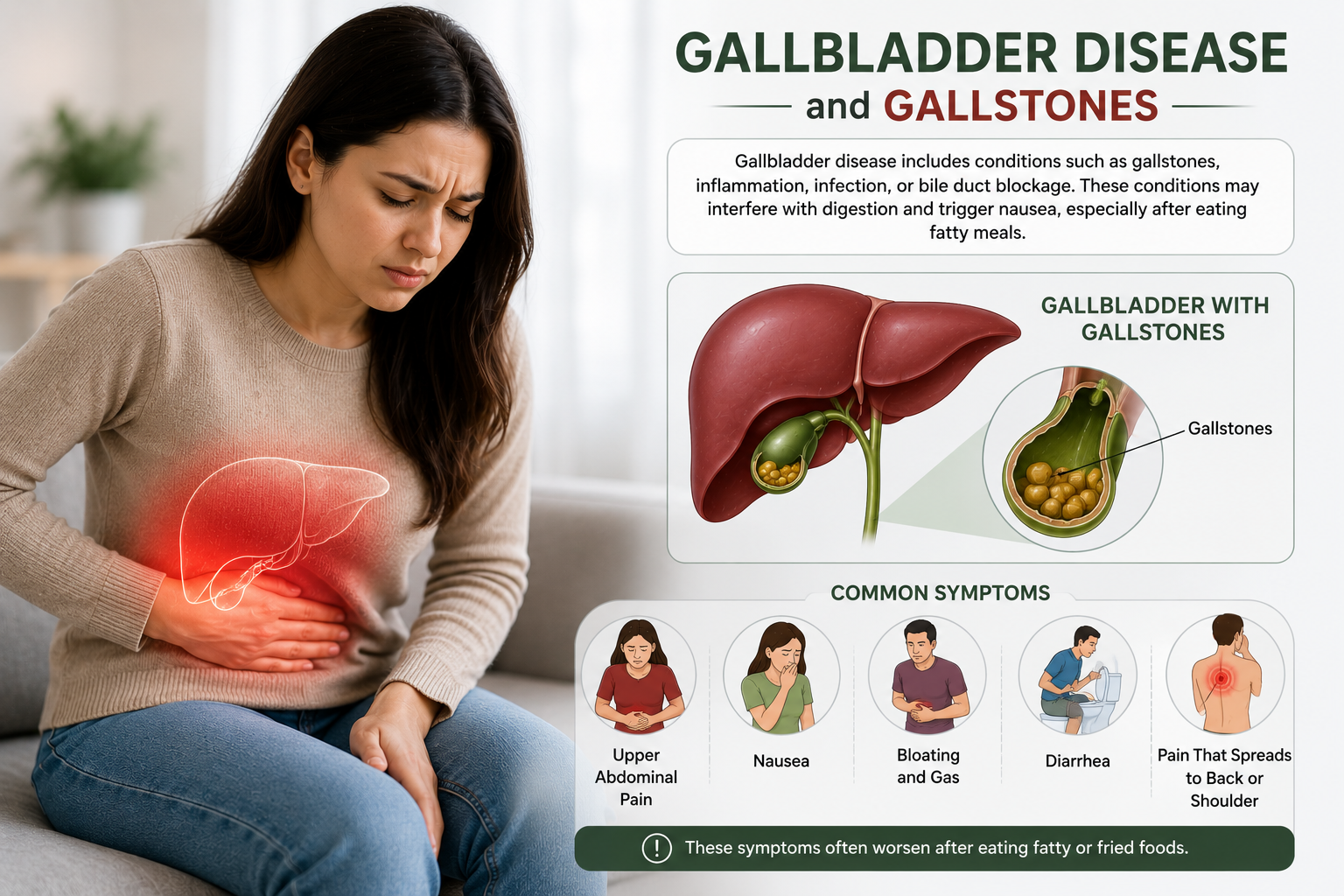
Gallbladder Disease and Gallstones
Gallbladder disease includes conditions such as gallstones, inflammation, infection, or bile duct blockage. These conditions may interfere with digestion and trigger nausea, especially after eating fatty meals. Other symptoms may include upper abdominal pain, gas, diarrhea, and pain that spreads toward the back or shoulder area.
Nausea Treatment
The treatment of nausea depends on its cause, intensity, and how long the symptoms continue. Mild nausea can often be improved through healthy lifestyle habits, proper hydration, and simple dietary adjustments. However, ongoing or severe nausea may require targeted treatment to manage symptoms effectively. Recognizing common triggers and making healthy daily changes can help support digestive health and reduce stomach discomfort naturally.
Avoid Foods and Habits That Trigger Nausea
Certain foods and environmental factors may worsen nausea symptoms and irritate the digestive system. Spicy foods, greasy meals, fried items, sugary snacks, alcohol, caffeine, and strong odors are common triggers that can increase stomach discomfort. Extremely hot foods and beverages may also aggravate nausea in sensitive individuals. Avoiding these triggers can help calm the stomach and prevent symptoms from worsening.
Choose Smaller and Easy-to-Digest Meals
Eating smaller meals throughout the day may help reduce pressure on the stomach and improve digestion. Large meals eaten too quickly can worsen nausea and lead to bloating or discomfort. Light and bland foods such as bananas, rice, toast, crackers, boiled potatoes, plain pasta, and applesauce are usually easier to digest and may help soothe the stomach naturally.
Maintain Proper Hydration
Staying hydrated is essential, especially when nausea is accompanied by vomiting or reduced appetite. Drinking water, clear soups, coconut water, herbal teas, and electrolyte-rich beverages may help maintain fluid balance and prevent dehydration. Cool or cold drinks are often easier on the stomach, while ginger tea and chamomile tea are commonly used to support digestive comfort and reduce nausea symptoms.
Natural Remedies That May Help Relieve Nausea
Several natural remedies may provide relief from nausea and stomach discomfort. Ginger is one of the most widely used natural ingredients for digestive support and may help reduce feelings of nausea. It can be consumed in tea, candy, capsule, or fresh form. Eating slowly, resting after meals, and avoiding intense physical activity immediately after eating may also improve digestion and minimize nausea symptoms.
Medications Commonly Used for Nausea
In some cases, medications may be recommended to help control nausea and vomiting. Antiemetic medications work by affecting the brain signals responsible for nausea. Doctors may also prescribe antihistamines for motion sickness, prokinetic medications to improve stomach movement, or serotonin antagonists used after treatments such as chemotherapy or surgery. Over-the-counter medications may offer temporary relief, but they should always be used carefully and according to professional guidance.
Healthy Lifestyle Changes to Reduce Nausea Symptoms
Simple lifestyle changes can play an important role in managing nausea naturally. Resting after meals, avoiding sudden body movements, maintaining a comfortable room temperature, and staying away from strong smells such as perfumes or cooking fumes may help reduce symptoms. Avoiding smoking, excessive alcohol intake, and unhealthy eating habits can also support better digestive function and overall well-being.
How to Prevent Nausea Naturally
Preventing nausea often depends on identifying its root cause and avoiding common triggers that may upset the digestive system. In many situations, healthy lifestyle habits and proper eating routines can help reduce the likelihood of nausea. Individuals who experience motion sickness while traveling may benefit from avoiding heavy meals before trips, sitting in a comfortable position, and using suitable remedies when needed. However, nausea linked to infections, hormonal changes, digestive disorders, or medical conditions may not always be completely avoidable.
Healthy dietary habits can play a major role in lowering the risk of nausea symptoms. Eating smaller meals more frequently throughout the day may support smoother digestion and reduce stomach pressure. It is also helpful to eat slowly and avoid foods that are greasy, spicy, fried, or difficult to digest. Many people tolerate cold or room-temperature foods better because strong smells from hot meals can sometimes trigger stomach discomfort and nausea.
Maintaining proper hydration and balanced eating habits may also help prevent digestive irritation. Drinking fluids between meals instead of during meals can reduce bloating and support comfortable digestion. Resting for a short period after eating and keeping the head slightly elevated may help minimize stomach discomfort. Eating at times when nausea feels less intense can also make symptoms easier to manage.
People who regularly experience motion sickness may find relief by taking preventive steps before traveling. Certain over-the-counter medications may help reduce nausea symptoms when used correctly. Following a healthy routine, staying hydrated, avoiding known triggers, and supporting digestive health can all help decrease the chances of nausea occurring in daily life.
When to see a Doctor
Persistent or severe nausea should not be ignored, especially if symptoms continue for several days or begin affecting daily life. Medical advice may be necessary if home remedies and lifestyle changes are not improving the condition. People experiencing ongoing nausea along with signs of dehydration, unusual weakness, or unexplained weight loss should consider consulting a healthcare professional for proper evaluation and treatment. Nausea that continues for more than a month may indicate an underlying digestive or medical condition that requires attention.
Medical care may also be important if nausea is accompanied by persistent vomiting in adults, young children, or infants. In some cases, additional symptoms such as severe abdominal pain, chest discomfort, high fever, blurred vision, headaches, or unusual vomit color may signal a more serious health concern. Early diagnosis and proper treatment can help prevent complications and support better recovery and digestive health.
Frequently Asked Questions(FAQs)
1. What Causes Nausea Most Commonly?
Digestive health problems, including infections, inflammation, acid reflux, and intestinal disorders, are common factors that may lead to nausea, particularly after meals. The body’s sensory responses, such as strong smells, unpleasant tastes, certain sights, sounds, or physical sensations, can also trigger feelings of nausea in some individuals. In addition, emotional stress, anxiety, fear, and intense emotional reactions may affect the digestive system and contribute to nausea symptoms.
2. What Is the Most Effective Treatment for Nausea?
Fast relief from nausea may come from natural remedies such as ginger tea, peppermint, or gentle pressure on the inner wrist’s P6 pressure point. Eating light foods like toast, bananas, rice, or plain crackers and drinking clear fluids slowly may also help settle the stomach. To prevent nausea from getting worse, avoid oily foods, strong odors, and lying down immediately after meals.
3. Can Nausea Indicate a Serious Health Problem?
In some cases, nausea and vomiting may be early symptoms of serious medical conditions, including appendicitis, intestinal blockage, or certain types of cancer and tumors.
Conclusion
Nausea is a common digestive symptom that can develop due to various factors, including motion sickness, digestive disorders, infections, hormonal changes, stress, or medication side effects. While mild nausea is often temporary and manageable through healthy lifestyle habits, persistent or severe symptoms may indicate an underlying health condition that should not be ignored. Understanding the causes, symptoms, and possible triggers of nausea can help individuals take the right steps toward effective symptom management and better digestive health.
Simple changes such as eating smaller meals, staying hydrated, avoiding trigger foods, and maintaining healthy daily routines may help reduce nausea naturally. In some cases, medications and medical treatments may also be necessary to control symptoms and improve comfort. By recognizing early warning signs and following proper preventive measures, individuals can better manage nausea and support their overall health and well-being.
Read more information:
Nausea Causes, Treatment, & Prevention
Stomach Pain Causes, Types and Relief
Fever Symptoms, Types, Causes and Treatment

Welcome to Health Line Tips! I’m Mazhar Hayyat, an AI-Powered SEO, and Content Writer with 4 years of experience. I help websites rank higher, get more traffic, and look amazing. My goal is to make SEO and web design simple and effective for everyone. Let’s achieve more together!

One thought on “Nausea Causes, Treatment, & Prevention”