High blood pressure is one of the most common health problems in the world today. Millions of people live with it, and many don’t even know they have it. That’s because this condition often shows no warning signs at all. It quietly damages your body over time, which is why doctors often call it a “silent” health threat.
In this guide, we’ll break down what high blood pressure really means, why it happens, how to spot it, and what you can do to keep it under control. Whether you just got a high reading at the doctor’s office or you’re simply trying to stay healthy, this article will help you understand hypertension symptoms and causes in simple, easy-to-follow language.
What Is Blood Pressure?
Before we talk about high blood pressure, it helps to understand what blood pressure actually is.
Every time your heart beats, it pumps blood through a network of blood vessels called arteries. This pumping action creates force, and that force is what we call blood pressure. It’s what pushes oxygen and nutrients to every part of your body, from your brain to your toes.
Your heart doesn’t just pump blood — it also rests briefly between beats. That’s why blood pressure is measured using two numbers:
- Systolic pressure (top number): The pressure in your arteries when your heart contracts and pushes blood out.
- Diastolic pressure (bottom number): The pressure in your arteries when your heart relaxes between beats.
A blood pressure reading is written as systolic over diastolic, like 120/80.
What Is High Blood Pressure (Hypertension)?
High blood pressure, also known as hypertension, happens when the force of blood against your artery walls stays too high over time. This constant extra pressure slowly wears down and damages the walls of your blood vessels.
Here’s a simple way to understand normal blood pressure range versus high blood pressure:
| Category | Systolic (top) | Diastolic (bottom) |
|---|---|---|
| Normal | Less than 120 | Less than 80 |
| High Blood Pressure (Hypertension) | 140 or higher | 90 or higher |
| In-Between (Elevated) | 120–139 | 80–89 |
It’s worth noting that blood pressure naturally changes throughout the day. It can go up when you’re stressed, active, or anxious, and go down when you’re resting. Because of this, doctors don’t diagnose high blood pressure based on just one or two readings. Instead, they look at your average blood pressure over several visits and readings before confirming a diagnosis.
Why Is High Blood Pressure Called the “Silent Killer”?
High blood pressure earns this nickname for a simple reason: most people feel completely normal even when their blood pressure is dangerously high. There’s no pain, no obvious discomfort, and no clear sign that something is wrong.
Unfortunately, this means many people only find out they have hypertension after it has already caused serious damage, such as a heart attack, stroke, or kidney problem. This is exactly why regular blood pressure checkups matter, even if you feel perfectly healthy.
Symptoms of High Blood Pressure
In most cases, high blood pressure has no symptoms at all. The only reliable way to know your numbers is to have your blood pressure checked by a healthcare provider or with a home monitor.
However, when blood pressure rises to a very high level, some people may notice symptoms such as:
- Headaches
- Dizziness
- Chest pain
- Nosebleeds
- Shortness of breath
- Blurred vision
If you experience severe headaches, chest pain, or sudden vision changes along with a very high reading, seek medical care right away, as this could signal a hypertensive emergency.
What Causes High Blood Pressure?
High blood pressure causes fall into two main categories.
1. Secondary Hypertension
This type happens when high blood pressure is caused by another underlying health issue, such as:
- Kidney disease or kidney failure
- Hormonal disorders (such as thyroid or adrenal gland problems)
- Certain medications
- Sleep apnea
Secondary hypertension is less common, but it usually has an identifiable cause that can sometimes be treated directly.
2. Essential (Primary) Hypertension
This is by far the most common type, making up more than 90% of high blood pressure cases. With essential hypertension, doctors cannot find one specific cause, even after thorough testing. Instead, it’s usually the result of a combination of factors, including:
- Genetics and family history
- Age (risk increases as you get older)
- Unhealthy diet, especially one high in salt
- Lack of physical activity
- Being overweight or obese
- Smoking and alcohol use
- Chronic stress
Common Risk Factors at a Glance
| Risk Factor | How It Affects Blood Pressure |
|---|---|
| High salt intake | Causes the body to retain more fluid, raising pressure |
| Obesity | Forces the heart to work harder to pump blood |
| Lack of exercise | Weakens heart efficiency over time |
| Smoking | Damages and narrows blood vessels |
| Stress | Temporarily and repeatedly spikes blood pressure |
| Family history | Increases genetic likelihood of hypertension |
How Is High Blood Pressure Diagnosed?
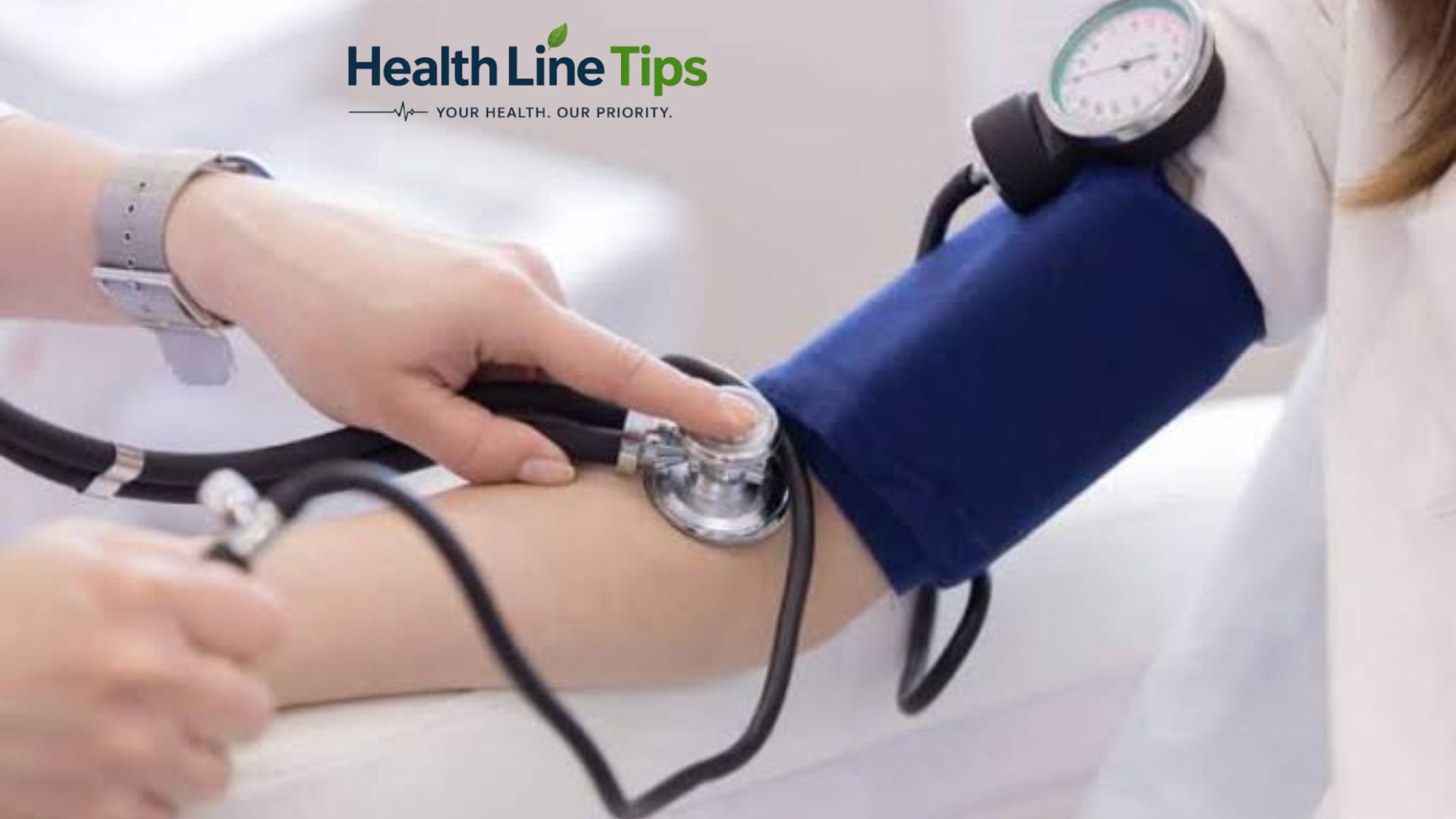
Diagnosing high blood pressure is simple and painless. A healthcare provider will use a blood pressure cuff (called a sphygmomanometer) to measure your systolic and diastolic pressure.
Because blood pressure naturally fluctuates, doctors typically:
- Take multiple readings over different visits
- Sometimes ask patients to monitor blood pressure at home
- Review your average readings rather than relying on a single number
- Consider your medical history and any other risk factors
This careful approach helps avoid a false diagnosis based on a temporary spike, such as one caused by stress or anxiety during a doctor’s visit (sometimes called “white coat syndrome”).
Health Risks of Untreated High Blood Pressure
If left untreated, high blood pressure can silently damage your blood vessels and organs over the years. Some of the most serious complications include:
- Heart attack – Extra strain on the heart increases the risk of blocked arteries.
- Stroke – Damaged blood vessels in the brain can burst or become blocked.
- Kidney failure – The kidneys rely on healthy blood vessels to filter waste properly.
- Vision loss – High blood pressure can damage the small blood vessels in the eyes.
- Heart failure – Over time, the heart muscle can weaken from constantly working harder.
This is why early detection and consistent management are so important, even before symptoms appear.
How to Lower Blood Pressure Naturally
The good news is that high blood pressure, especially in its early stages, can often be managed and even reversed through lifestyle changes. Here are some of the most effective, doctor-recommended strategies:
1. Reduce Salt Intake
Too much sodium causes your body to hold onto extra fluid, which raises blood pressure. Try to:
- Avoid heavily processed and packaged foods
- Cook meals at home when possible
- Use herbs and spices instead of salt for flavor
2. Maintain a Healthy Weight
Carrying extra body weight makes your heart work harder. Losing even a small percentage of body weight can lead to a noticeable drop in blood pressure.
3. Exercise Regularly
Aim for at least 30 minutes of moderate activity, such as brisk walking, most days of the week. Regular exercise strengthens the heart and helps blood flow more efficiently.
4. Avoid Smoking and Limit Alcohol
Smoking damages blood vessel walls, while excessive alcohol can raise blood pressure over time. Cutting back on both can make a real difference.
5. Manage Stress
Chronic stress can contribute to ongoing high blood pressure. Relaxation techniques such as deep breathing, meditation, or simply getting enough sleep can help.
6. Eat a Heart-Healthy Diet
Focus on:
- Fruits and vegetables
- Whole grains
- Lean proteins
- Low-fat dairy
- Foods rich in potassium, such as bananas and leafy greens
Blood Pressure Medication: When Is It Needed?
For some people, lifestyle changes alone are enough to bring blood pressure back into a healthy range. But if blood pressure remains high despite these efforts, a doctor may prescribe blood pressure medication, known as antihypertensives.
There are several types of antihypertensive medications, including:
- Diuretics – Help the body remove excess salt and fluid
- ACE inhibitors – Relax blood vessels
- Beta-blockers – Reduce heart rate and workload
- Calcium channel blockers – Help relax and widen blood vessels
The right medication depends on your individual health history, other conditions you may have, and how your body responds to treatment. This is why it’s important to work closely with a doctor rather than self-medicating.
Preventing High Blood Pressure
Even if you don’t currently have high blood pressure, these habits can help lower your risk in the future:
- Get your blood pressure checked regularly, even without symptoms
- Maintain a healthy weight
- Stay physically active
- Limit salt and processed foods
- Avoid smoking
- Manage stress levels
- Limit alcohol consumption
- Get regular checkups, especially if hypertension runs in your family
Frequently Asked Questions (FAQs)
1. What is considered a normal blood pressure range?
A healthy blood pressure reading is generally below 120/80 mmHg.
2. Can high blood pressure be cured completely?
In many cases, especially essential hypertension, it can be well managed through lifestyle changes and medication, but it usually requires ongoing monitoring rather than a one-time cure.
3. Is high blood pressure hereditary?
Yes, family history is one of several risk factors that can increase your chances of developing hypertension.
4. Can young people get high blood pressure?
Yes. While risk increases with age, poor diet, lack of exercise, obesity, and stress can lead to high blood pressure at any age.
5. How often should I check my blood pressure?
If you’re healthy, an annual check is usually enough. If you have risk factors or an existing diagnosis, your doctor may recommend more frequent monitoring, sometimes even at home.
6. Does stress alone cause permanent high blood pressure?
Stress can cause temporary spikes, but chronic, ongoing stress may contribute to long-term high blood pressure when combined with other risk factors.
Conclusion
High blood pressure may not cause obvious symptoms, but its effects on your heart, brain, kidneys, and eyes can be serious if left unmanaged. The encouraging part is that hypertension is highly manageable, especially when caught early. Simple lifestyle changes like eating less salt, staying active, maintaining a healthy weight, and managing stress can make a significant difference. For those who need extra support, modern blood pressure medications offer safe and effective ways to keep numbers in a healthy range.
The most important step you can take today is simple: get your blood pressure checked. Since high blood pressure often shows no warning signs, regular monitoring is the best way to protect your long-term health.
Read More:
- Anxiety Management: Why Anxiety Is Not an Illness, It’s a Message
- Six Things I Stopped Doing to Manage My Depression
- Best Weight Loss Drinks: Natural Beverages That Support a Healthy Metabolism

Welcome to Health Line Tips! I’m Mazhar Hayyat, an AI-Powered SEO, and Content Writer with 4 years of experience. I help websites rank higher, get more traffic, and look amazing. My goal is to make SEO and web design simple and effective for everyone. Let’s achieve more together!