Dizziness is an extremely common disorder that affects an estimated 10–20% of individuals older than 70 years old. Even for those younger, dizziness is not an uncommon problem.
Several studies have been performed over the years to try and quantify the most common causes of dizziness, to help narrow the possibilities, given that the workup for dizziness can be long, tedious, and time-consuming.
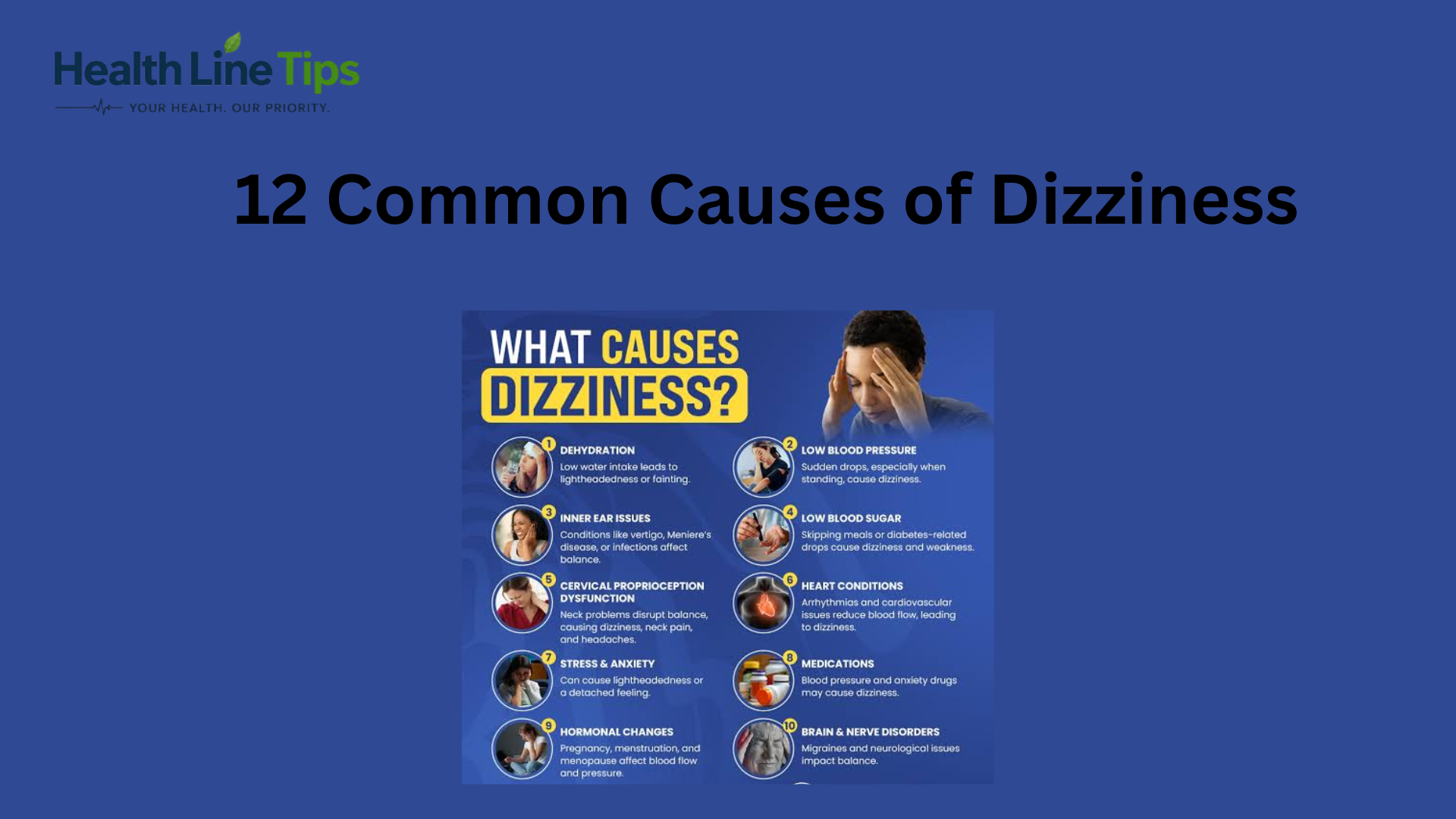
Here are the top 12 causes of dizziness, not in any particular order.
1. BPPV (Benign Paroxysmal Positional Vertigo)
BPPV is a condition described as sudden bouts of spinning attacks triggered by movement, typically lasting no more than 15 minutes. BPPV can be treated with specific exercises such as the Epley maneuver.
2. Anxiety
Anxiety is fairly self-explanatory. Usually the dizziness is described as light-headed imbalance that lasts hours to days.
3. Orthostatic Hypotension
Orthostatic hypotension is usually described as light-headedness (vision going dark when severe) when going from a laying to standing position. Correcting the low blood pressure resolves this particular dizziness.
4. Cardiac Arrhythmias and Vascular Obstructions
Similar to hypotension, cardiac arrhythmias as well as vascular obstructions like carotid stenosis trigger imbalance due to impeding adequate blood flow to the brain.
5. Inner Ear Inflammation or Infection
Inflammation or viral infection of the inner ear balance system, called the labyrinth, can certainly cause dizziness as well. Typically, no pain is present, but the dizziness is unrelenting for days, even when remaining still.
6. Ménière’s Disease
If a person suffers from recurrent vertigo along with fluctuating hearing loss along with tinnitus and ear fullness in one ear that precedes a dizzy spell that lasts hours to days, Ménière’s Disease may be present. Initial treatment is typically started with dietary restrictions, diuretics, and betahistine.
7. Pinched Nerve in the Cervical Spine
A pinched nerve of the cervical spine can also trigger sudden episodes of dizziness, especially with head movements. Concurrent posterior neck pain is also common, along with some pain, numbness, and/or tingling down the shoulder and arm.
8. Brain Tumors
Brain tumors, either cancerous or non-cancerous, can cause dizziness, especially if pressing on the vestibular nerve. There is greater concern for this possibility if there is nerve hearing loss worse in one ear compared to the other.
9. Vertiginous Migraines
If dizzy spells occur along with headaches, with or without light and noise sensitivity, migraines may be the cause of a person’s dizziness. This condition is specifically called vertiginous migraines. Treating the migraine will often resolve the dizziness.
10. Medications
There are many medications that can cause dizziness as a side effect. Common medications that can cause dizziness include hypertension medications, benzodiazepines, neuromodulating drugs, narcotics, and blood thinners.
11. Allergies
For some patients, allergies can cause dizziness. The dizziness is typically continuous but relatively mild. Most patients are able to function without any limitations, in spite of the dizziness, which most patients have a hard time describing given how vague it feels. Treatment is typically with anti-histamine oral medications alone.
12. Eustachian Tube Dysfunction
Occasionally, a clogged ear due to eustachian tube dysfunction triggers imbalance. The worse the ear clogging, the worse the balance. As such, treatment is to resolve the eustachian tube dysfunction, which will then spontaneously resolve the dizziness.
Conclusion
Dizziness can stem from many different causes, ranging from harmless inner ear conditions like BPPV to more serious problems involving the heart, brain, or nervous system. Because the sensation of dizziness varies from person to person, identifying the underlying cause often requires considering your symptoms, medical history, medications, and any accompanying signs such as hearing loss, headaches, or changes in blood pressure.
While occasional dizziness may resolve on its own, recurrent, severe, or persistent episodes should not be ignored. Seeking medical evaluation can help determine the exact cause and ensure you receive the most appropriate treatment. With an accurate diagnosis and proper management, many people can successfully reduce dizziness, improve balance, and return to their normal daily activities.

Welcome to Health Line Tips! I’m Mazhar Hayyat, an AI-Powered SEO, and Content Writer with 4 years of experience. I help websites rank higher, get more traffic, and look amazing. My goal is to make SEO and web design simple and effective for everyone. Let’s achieve more together!