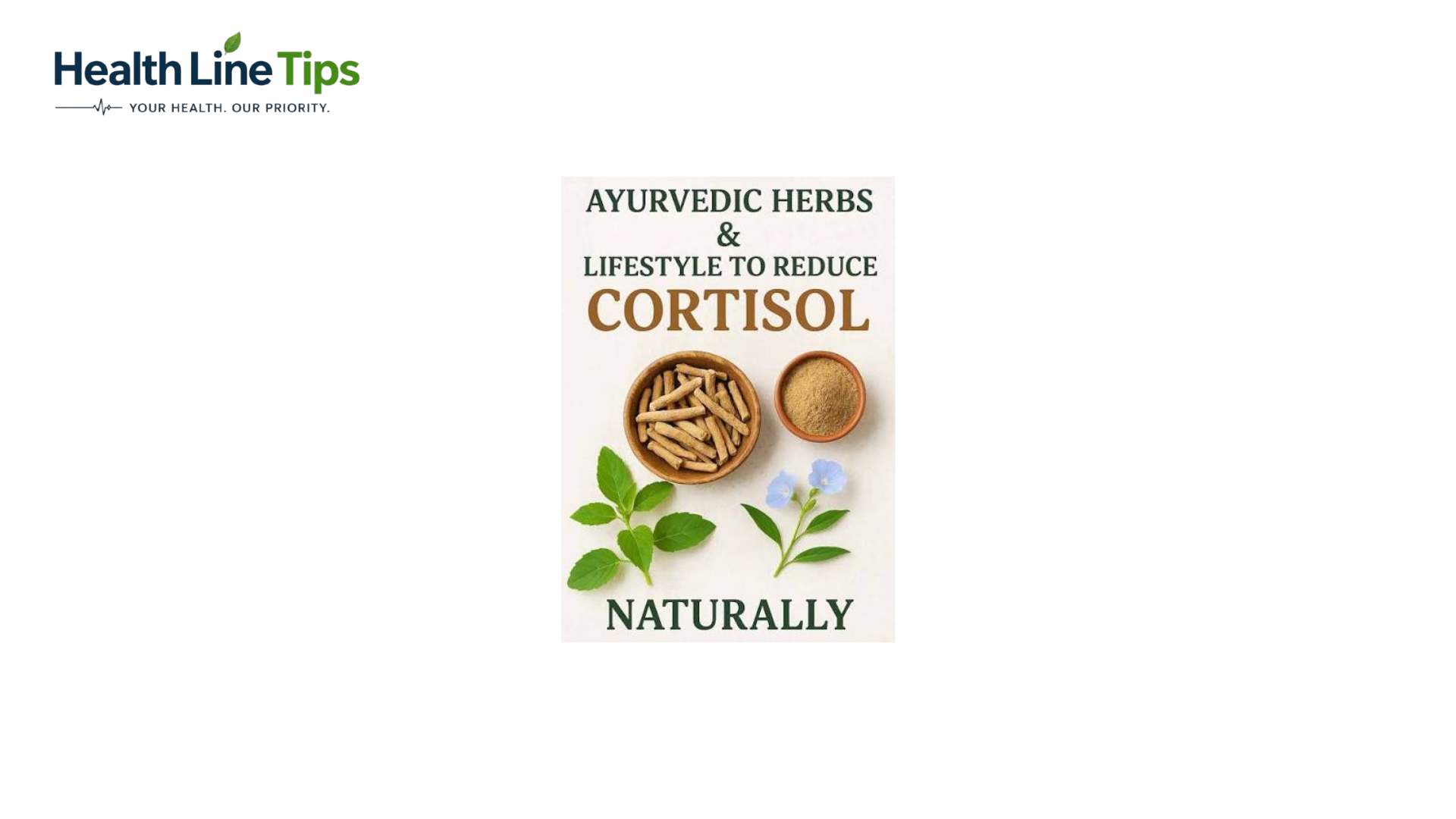
Cortisol is a very destructive hormone. It’s your stress hormone, it contributes to belly fat, and there’s a lot of confusing, mixed information out there about it. Here’s what’s actually known about lowering cortisol — what to do, and what to avoid.
Cortisol is made outside the adrenal gland, on top of the kidney, and it reacts to stress. As you age, growth hormone — the hormone that opposes cortisol and is considered anti-aging — declines, bottoming out around age 50. As growth hormone drops, cortisol rises because it becomes unopposed, with nothing to push it back down. So anything that increases growth hormone will help lower cortisol.
1. Sleep
Growth hormone is made by your pituitary gland and works through the liver — and it activates during sleep. So improving your sleep, naturally rather than with drugs, is one of the most direct ways to raise growth hormone and lower cortisol. More sleep, more growth hormone, less cortisol.
2. IGF (Insulin-Like Growth Factor)
IGF is a hormone similar to growth hormone, but it’s produced and released by the liver. It regulates fat-burning and helps regulate blood sugar when you’re not eating — primarily while you’re sleeping. (Insulin regulates sugar when you’re eating; IGF regulates it when you’re not.)
If you’re grazing and eating all day long, you won’t trigger this process unless your sleep is really good. Eating two to three meals a day, without excess snacking, helps stimulate IGF — and since anything that raises growth hormone also raises IGF, the two work together.
3. Sun and Vitamin D
Getting regular sun exposure is very powerful for lowering cortisol — think about how calm you feel at the beach, followed by a nap. Sun and sleep both lower cortisol.
If you’re not getting 15–20 minutes of sun daily, Vitamin D3 can help — take about 10,000 IU on cloudy days, along with Vitamin K2 to balance it out.
4. Walking
Walking is far more effective than other types of exercise for lowering cortisol. Long walks, getting space — it’s genuinely therapeutic.
5. Acupressure
Stress accumulates in the body and can be manually released through acupressure techniques, which help extract that stress so your body can sleep better.
Key Nutrients for Cortisol Regulation
- Potassium – Aim for 4,700mg a day (about 7–10 cups of salad). Potassium supports the parasympathetic nervous system, which opposes the fight-or-flight response and works against cortisol.
- Vitamin B1 – Get it from nutritional yeast rather than synthetic vitamins. Mix a teaspoon or tablespoon into plain kefir or yogurt (or peanut butter or applesauce if you prefer).
- Calcium – A little calcium before bed — calcium citrate or calcium lactate (avoid calcium carbonate) — can help you sleep.
What to Avoid
Avoid spending time with stressful, negative, or hostile people. Focus on improving your environment — whether it’s the people around you or a stressful job or living situation — since a constantly stressful environment will make it much harder to manage cortisol no matter what else you do.
Conclusion:
Managing cortisol isn’t about finding a single “quick fix”—it’s about building healthy daily habits that support your body’s natural stress response. Prioritizing quality sleep, staying physically active with regular walks, getting adequate sunlight, eating a balanced diet rich in essential nutrients, and creating a less stressful environment can all contribute to healthier cortisol levels over time.
It’s also important to remember that cortisol is a vital hormone that helps regulate metabolism, blood pressure, immune function, and your body’s response to stress. The goal isn’t to eliminate cortisol but to keep it in balance. If you experience ongoing symptoms of high cortisol, such as persistent fatigue, weight gain, sleep disturbances, or anxiety, consult a healthcare professional for a proper evaluation. With the right lifestyle changes and medical guidance when needed, you can better support your overall health and well-being.
Read More:
- 12 Common Causes of Dizziness
- Why You Wake Up With a Headache Every Morning
- Why Am I Tired Even After Sleeping? The Brain Science Behind Fatigue That Rest Doesn’t Fix

Welcome to Health Line Tips! I’m Mazhar Hayyat, an AI-Powered SEO, and Content Writer with 4 years of experience. I help websites rank higher, get more traffic, and look amazing. My goal is to make SEO and web design simple and effective for everyone. Let’s achieve more together!