
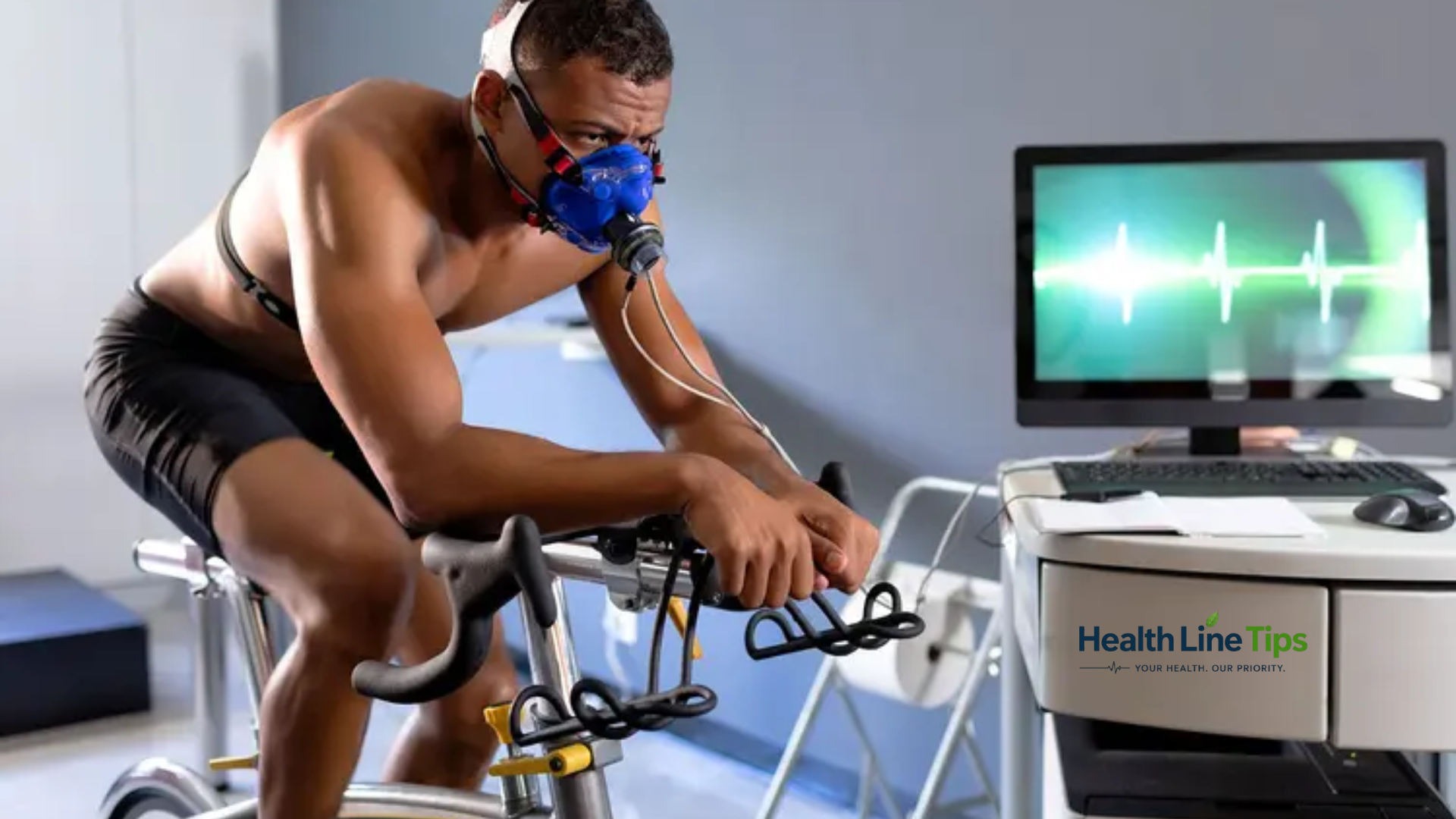
Fitness trends come and go, yet VO2 Max has earned lasting attention because it reveals far more than workout performance. This powerful metric measures the maximum amount of oxygen your body can use during intense exercise, offering valuable insight into your aerobic fitness, cardiovascular fitness, and overall endurance.
While athletes have relied on it for decades, smartwatches and fitness trackers have now made it accessible to almost everyone. However, your VO2 Max is only one part of the bigger health picture. Understanding what it measures, how it changes, and how you can improve it will help you make smarter fitness decisions and build healthier habits that last a lifetime.
What Is VO2 Max, Exactly?
At its most basic level, VO2 max is a way of measuring the maximum amount of oxygen your body can use during intense physical effort. Scientists express it as mL per kilogram per minute, which simply means how many milliliters of oxygen your body processes for every kilogram you weigh, every single minute. Think of it like the horsepower rating of a car engine. A higher number means your body is better equipped to take in oxygen, transport it through your blood, and use it efficiently to fuel movement.
The term itself comes from a simple formula. “V” stands for volume, “O2” stands for oxygen, and “max” refers to the maximum rate at which your body can consume it during peak effort. This is why the metric is often called maximal oxygen uptake in scientific literature. Doctors and trainers pay close attention to it because it reflects far more than athletic performance; it’s now considered one of the strongest available predictors of long-term health, right alongside blood pressure and cholesterol readings.
Related- VO2 Max Is a Trendy Fitness Metric
The simple, no-jargon definition
In everyday terms, your VO2 max score tells you how efficiently your body converts the air you breathe into usable energy. A person with a high score can push harder, longer, before running out of steam. A person with a lower score hits their limit sooner, even during relatively mild activity like climbing a flight of stairs. It’s essentially a measurement of how well your body performs under stress, and that stress response tells doctors a lot about your overall cardiorespiratory fitness.
Where the term comes from (V-O2-max explained)
The formula behind VO2 max dates back to physiology research from the early twentieth century, when scientists first began studying how the body handles oxygen consumption during exercise. Researchers discovered that no matter how much harder someone pushed past a certain point, their oxygen uptake would plateau. That plateau became known as the “max,” and it has remained the gold standard for measuring aerobic capacity ever since.
Why doctors and trainers both care about it
Physicians increasingly view VO2 max as a genuine vital sign because it captures how well your heart, lungs, and muscles work together as a unit. Trainers, meanwhile, use it to design smarter workout programs, since knowing someone’s current fitness level helps them calibrate intensity correctly. Together, these two groups have helped push VO2 max out of exercise physiology labs and into mainstream conversation.
Why VO2 Max Has Become the Buzziest Fitness Metric in America
A few years ago, most people had never heard of VO2 max outside of elite sports science. Today it’s a mainstream obsession, largely thanks to the explosion of wearable technology. Nearly every popular fitness tracker and smartwatch VO2 max feature now delivers an estimate straight to your wrist, no lab visit required. That accessibility has turned a once-obscure lab measurement into a daily data point that millions of Americans check right alongside their step count.
Longevity researchers have also fueled the trend. Health influencers and podcasters frequently cite studies linking VO2 max to reduced disease risk and extended lifespan, framing it as one of the most “actionable” numbers in preventive health. Compared to metrics like calories burned or daily steps, which mostly reflect short-term activity, VO2 max offers a deeper, more stable window into your underlying fitness. That combination of accessibility and scientific weight explains why it has become such a dominant topic in 2026’s wellness conversation.
The rise of wearable VO2 max tracking (Apple Watch, Garmin, Whoop)
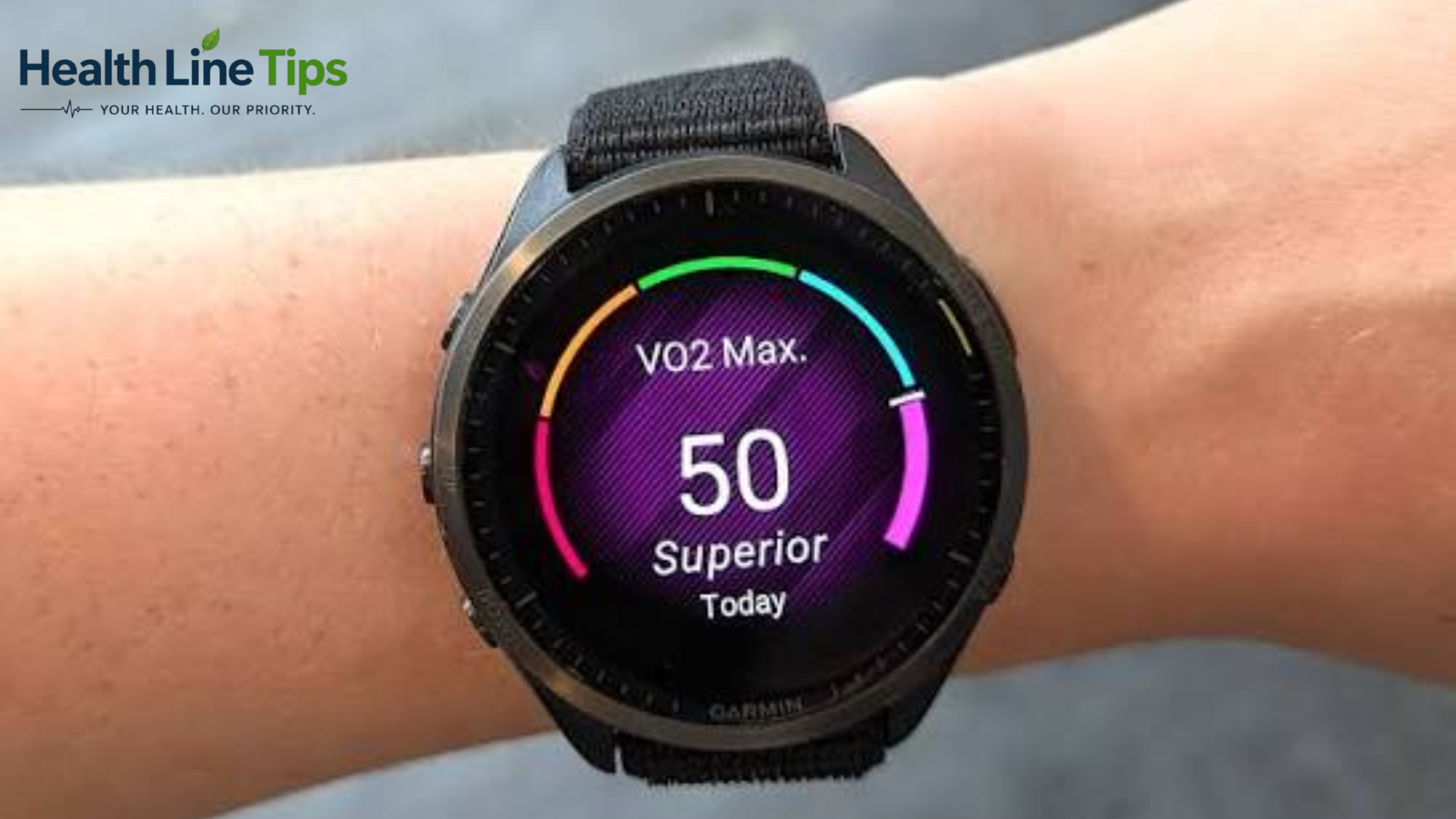
Apple Watch, Garmin, and Whoop have all built VO2 max estimation directly into their software, using data collected from your heart rate monitor during runs and walks outdoors. This shift means anyone with a few hundred dollars to spend can now track a metric that once required expensive lab equipment and a physiologist standing by with a mask and tubing.
What longevity researchers and podcasters say about it
Prominent voices in the longevity space frequently describe VO2 max as one of the single best predictors of healthy aging available today. Their argument centers on large population studies showing that people with higher scores tend to face dramatically lower risks of early death from any cause, which has made the metric a favorite talking point on health podcasts and social media.
VO2 max vs. steps, calories, and other tracked metrics
Unlike a daily step count or calorie burn estimate, which fluctuate constantly based on daily habits, VO2 max reflects a more fundamental, slower-changing trait: your body’s underlying capacity for physical activity. Steps tell you how much you moved today. VO2 max tells you how capable your body actually is, regardless of what you did this morning.
What Does a VO2 Max Score Actually Measure?
To understand VO2 max, it helps to picture a relay race happening inside your body every time you exercise. Oxygen enters through your lungs, hitches a ride on red blood cells, gets pumped by your heart, and finally arrives at your working muscles, where it helps convert fuel into usable energy. VO2 max essentially measures how fast and how efficiently that entire relay operates when pushed to its absolute limit.
This is why the number reflects so much more than leg strength or willpower. It captures your lung function, your heart’s pumping capacity, and your muscle efficiency all at once. During a maximal test, technicians also track carbon dioxide exhaled, since the ratio between oxygen taken in and carbon dioxide released helps confirm that a person has truly reached their physiological limit rather than simply feeling tired.
The oxygen delivery chain — lungs, heart, blood, muscles
Every stage of this chain matters. Your lungs must efficiently pull oxygen from the air, your heart must pump enough oxygen-rich blood with each beat, and your muscles must be able to extract and use that oxygen delivered to muscles effectively. A weakness in any single link, whether it’s poor lung capacity or a sluggish heart, will drag your overall score down.
What “max” really means during exercise
During a true maximal effort test, your body reaches a point where increasing intensity no longer increases how much oxygen you can absorb. This plateau in oxygen used during exercise is the actual VO2 max moment. Beyond it, your muscles switch to less efficient energy pathways, which is why you can only sustain that intensity for a very short burst.
Why VO2 max reflects overall health, not just fitness
Because this test measures the combined output of your heart, lungs, blood, and muscles working together, it naturally reflects overall bodily function rather than just athletic skill. A person doesn’t need to be a runner to have a high score; they simply need a body that can produce energy efficiently across multiple connected systems.
What Counts as a Good VO2 Max Score?
There’s no single “good” number that applies to everyone, since scores vary significantly based on age, sex, and training background. A 25-year-old competitive cyclist and a 60-year-old casual walker are working with entirely different baselines, so comparing raw numbers across these groups isn’t useful. Instead, the most meaningful way to judge your score is against others who share your age and sex.
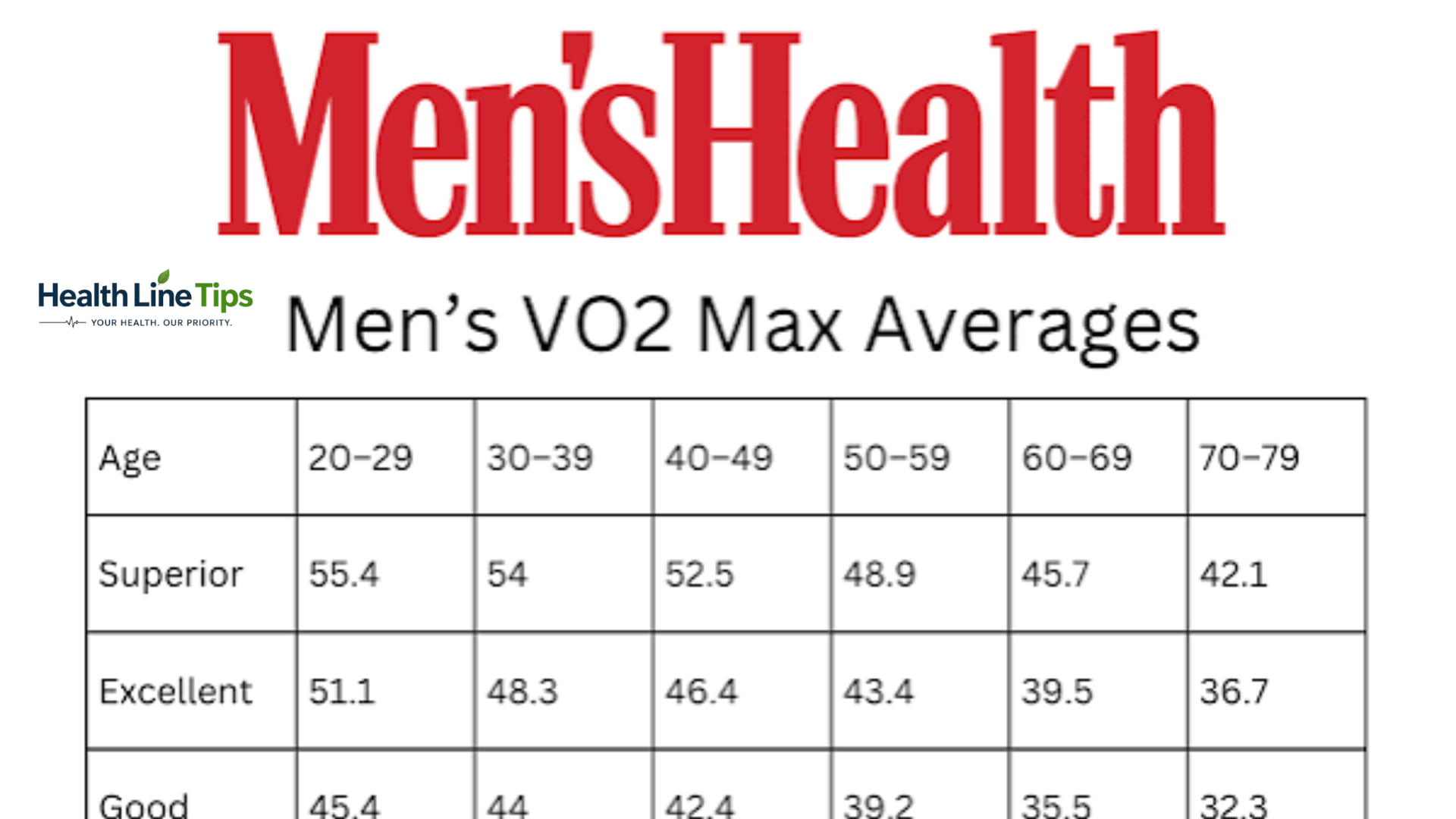
Generally speaking, scores peak in a person’s twenties and gradually decline afterward, dropping by roughly ten percent per decade in people who don’t train consistently. Men typically post higher raw numbers than women, largely due to differences in muscle mass and blood composition, though the gap narrows considerably among trained athletes. The table below, based on FRIEND Registry and ACSM data, gives a general sense of where average Americans fall by age and sex.
| Age Group | Men (mL/kg/min) | Women (mL/kg/min) |
|---|---|---|
| 20–29 | 44–48 | 35–38 |
| 30–39 | 40–44 | 31–35 |
| 40–49 | 36–40 | 28–31 |
| 50–59 | 32–36 | 24–28 |
| 60–69 | 27–31 | 21–24 |
| 70–79 | 21–24 | 17–19 |
VO2 max chart by age (U.S. population averages)
As shown above, scores decline steadily across every decade of life. This decline isn’t unusual or alarming; it’s a natural part of aging and fitness, since muscle mass and heart efficiency both shift over time. What matters more than the raw number is how your score compares to your own age group’s average and how it trends over the years.
VO2 max by age and sex — men vs. women
Men generally score fifteen to thirty percent higher than women of the same age, mainly because of greater lean muscle mass and higher hemoglobin concentration, which allows blood to carry more oxygen. Interestingly, this gap shrinks to around ten percent among elite endurance athletes, showing just how much training can close a biological gap.
Average American vs. athlete VO2 max comparison
The average untrained American adult typically scores somewhere in the twenties to mid-thirties, depending on age. Recreationally fit adults often land in the mid-forties to fifties, while elite endurance athletes routinely exceed seventy, with some world-class cyclists and cross-country skiers pushing past eighty-five. This wide spread illustrates just how dramatically training transforms endurance capacity.
Where you fall on the percentile scale
Rather than fixating on a single cutoff for “good,” it’s more useful to think in percentiles. Scoring above the fiftieth percentile for your age and sex places you ahead of average, while the seventy-fifth percentile and above generally signals excellent exercise performance relative to your peers.
How Is VO2 Max Tested?
There are two broad paths to discovering your VO2 max: precise laboratory testing or quicker, low-cost field estimates. Each serves a different purpose depending on whether you need scientific accuracy or just a general benchmark to track your progress against over time.
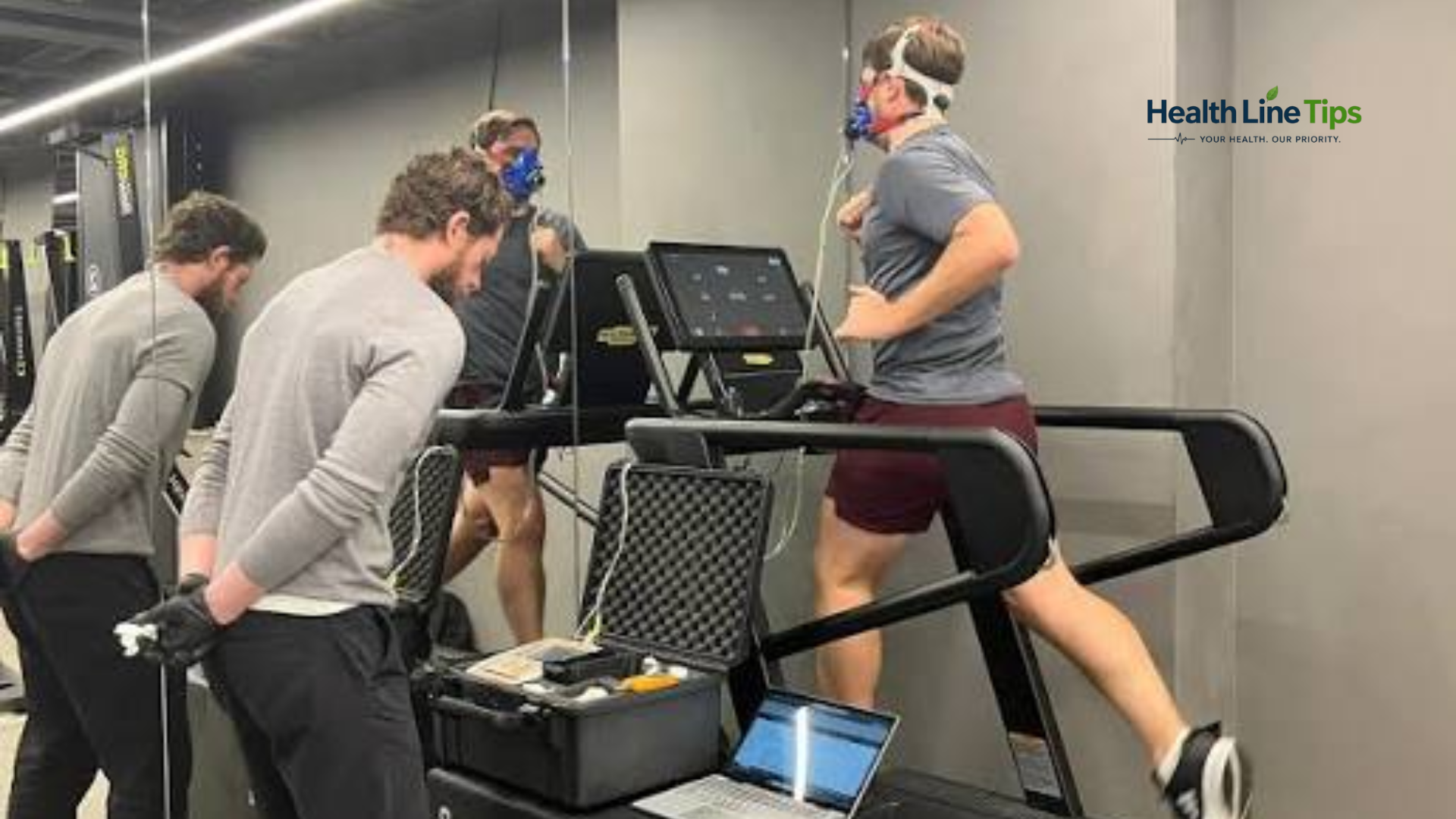
Laboratory testing remains the most trusted method because it directly measures gas exchange rather than estimating it from indirect data like pace or heart rate. Field tests, on the other hand, sacrifice some precision in exchange for convenience, making them a practical choice for everyday exercisers who simply want a rough sense of their current fitness level without visiting a specialized facility.
Lab-based VO2 max test (treadmill/bike, gold standard)
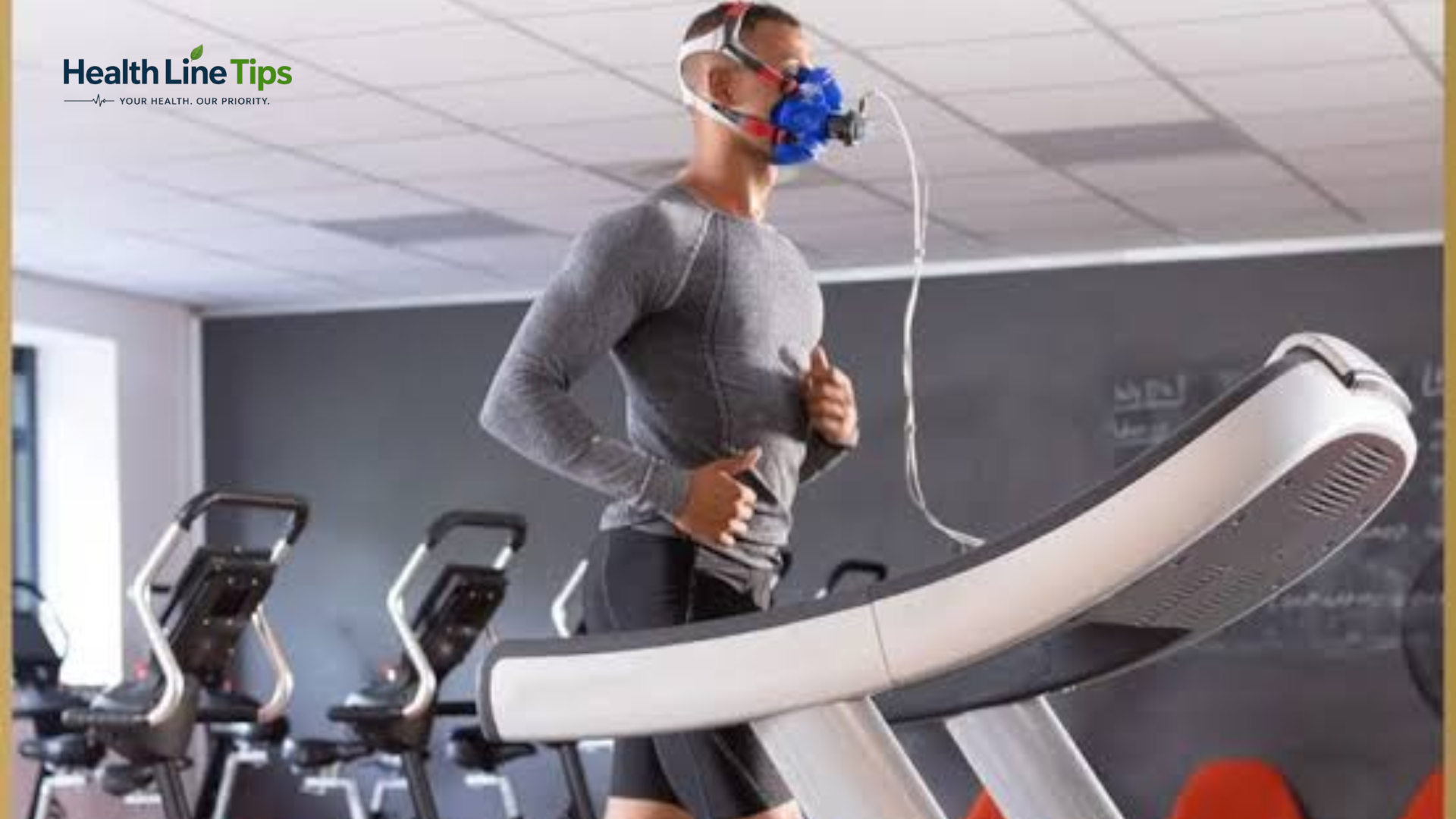
A true treadmill test or stationary bike test involves wearing a mask connected to a metabolic cart while intensity gradually increases until you reach exhaustion. This maximum effort exercise protocol precisely measures how much oxygen you inhale and how much carbon dioxide you exhale, giving technicians an exact, lab-verified VO2 max figure.
Field tests you can do without equipment
For those without access to a lab, a submaximal fitness test like the Cooper 12-minute run or the widely used 1-mile walk test can estimate your score using distance, time, and heart rate data. These tests are far less precise than lab measurements but remain useful for tracking general trends over months.
What a VO2 max testing session costs in the U.S.
A full laboratory VO2 max test at a university exercise physiology lab or specialized performance clinic typically costs between one hundred and three hundred dollars in the United States. Many people instead rely on a free online VO2 max calculator, which uses basic inputs like age, resting heart rate, and recent race times to produce a reasonable estimate at no cost.
Can Fitness Trackers Really Measure VO2 Max Accurately?
Given how expensive and inconvenient lab testing can be, it’s no surprise that most people rely on their wrist device instead. Nearly every major fitness tracker on the market today offers some version of automatic VO2 max estimation, pulling data from your runs, walks, and even resting heart rate patterns to generate a number without you lifting a finger.
That convenience comes with a tradeoff, though. A wearable device estimate is built on an algorithm, not a direct gas-exchange measurement, so it should be treated as a helpful approximation rather than an exact clinical figure. Understanding how these devices actually calculate their numbers will help you interpret your results more wisely.
How Apple Watch and Garmin estimate your VO2 max
These devices combine data from your heart rate monitor, your running pace, and personal details like age and weight to run through a proprietary algorithm. Essentially, the watch is making an educated statistical guess based on how efficiently your heart rate responds to a given pace, rather than measuring your actual breath-by-breath gas exchange.
How accurate are wearable VO2 max estimates?
Most consumer devices land within roughly five to ten percent of true lab-tested values for the average runner, which is genuinely impressive for a piece of wrist technology. Accuracy tends to drop for beginners, very fast runners, and anyone dealing with illness, poor sleep, or overtraining, since these factors can distort the heart rate patterns the algorithm relies on.
Getting the most reliable reading from your device
Rather than fixating on any single day’s number, pay attention to your fitness score trend over weeks and months. A steadily rising trend line indicates genuine aerobic improvement, even if the exact daily figure isn’t perfectly precise. Consistency in how and when you record data, such as always testing on flat outdoor terrain, also improves reliability.
What Affects Your VO2 Max Score?
Several factors shape where your score lands, and not all of them are within your control. Some, like your genetics or your sex, set a baseline you can’t change. Others, like your training habits, body composition, and lifestyle choices, offer plenty of room for improvement if you’re willing to put in consistent effort.
Understanding which factors are fixed and which are flexible helps set realistic expectations. Nobody can out-train their genetic ceiling entirely, but almost everyone can meaningfully raise their score through smarter, more consistent habits, regardless of their starting point or current age.
Age and the natural VO2 max decline
Scores typically peak around age thirty and decline gradually afterward, a normal part of aging and fitness driven by reduced muscle mass, stiffer blood vessels, and lower maximum heart rate. Consistent aerobic training can slow this decline substantially, sometimes cutting the rate of loss nearly in half compared to sedentary peers of the same age.
Genetics and your aerobic ceiling
Research suggests that genetics account for a significant portion of a person’s baseline aerobic potential, possibly as much as twenty to fifty percent. Some individuals are simply born with more efficient hearts, denser capillary networks, or a higher natural red blood cell count, giving them a head start before any training even begins.
Sex-based differences in VO2 max
Biological differences in muscle mass, heart chamber size, and hemoglobin concentration typically give men a natural edge over women at the same fitness level. However, active, well-trained women frequently outperform sedentary men, proving that training status often matters more than sex alone when it comes to real-world physical function.
Training status and current fitness level
Unsurprisingly, your current level of conditioning plays a massive role. Someone who exercises consistently will post a noticeably higher score than someone with an identical age and body type who lives a sedentary lifestyle. Even modest, regular exercise produces measurable gains within just a few months for most beginners.
Body composition and weight
Since VO2 max is calculated relative to body weight, carrying excess body fat can lower your relative score even if your absolute oxygen-processing capacity hasn’t changed at all. This means that losing fat while preserving muscle mass often bumps your VO2 max number upward without requiring any additional cardio training whatsoever.
Altitude, climate, and where you live/train
Training or testing at high altitude temporarily reduces available oxygen, which can suppress your measured score compared to sea-level conditions. Heat and humidity add further physiological strain during testing as well. Interestingly, athletes who live and train at elevation often develop lasting adaptations that boost their performance once they return to lower altitudes.
How to Increase Your VO2 Max Naturally
The encouraging news is that this metric responds remarkably well to training, no matter your starting point or age. You don’t need expensive supplements, prescription drugs, or specialized equipment to see real improvement. What you need instead is a smart combination of consistent training, adequate recovery, and supportive daily habits practiced over time.
Research consistently shows that improving aerobic fitness doesn’t require extreme measures. Even modest lifestyle changes, layered together and sustained over weeks and months, can produce meaningful gains. The sections below break down the specific strategies proven most effective for raising your score naturally.
HIIT workouts proven to raise VO2 max fastest
High-intensity interval training, alternating short bursts of near-maximal effort with brief recovery periods, is widely considered the fastest way to boost your ceiling. Multiple studies show gains of five to twenty percent within just eight to twelve weeks of consistent HIIT sessions performed two to three times per week.
Zone 2 and endurance training for a stronger base
Longer, steady-effort sessions performed at a conversational pace build the aerobic foundation that supports higher-intensity work later. This type of aerobic exercise improves your heart’s stroke volume and strengthens the capillary networks feeding your muscles, creating lasting gains that complement the sharper improvements HIIT provides.
Strength training’s indirect role in VO2 max gains
While lifting weights doesn’t directly spike oxygen uptake the way cardio does, it improves overall body composition and supports stronger, more efficient movement during cardio sessions. Stronger legs and core muscles allow you to push harder and longer during aerobic workouts, indirectly supporting better exercise performance over time.
Sleep and recovery’s effect on VO2 max improvement
Genuine fitness adaptation happens during rest, not during the workout itself. Skimping on sleep blunts training gains and raises injury risk considerably. Aiming for seven to nine hours of quality sleep nightly, along with built-in easy or rest days, gives your body the recovery window it needs to actually improve.
Diet and hydration tips that support oxygen delivery
Proper nutrition supports every link in the oxygen delivery chain, from red blood cell production to muscle recovery after hard sessions. Iron-rich foods help maintain healthy hemoglobin levels, while staying well hydrated keeps blood volume, and therefore oxygen transport, running smoothly during demanding workouts.
A sample weekly plan to boost your VO2 max score
A balanced week might include two HIIT sessions, two to three easy aerobic sessions, one strength training day, and at least one full rest day. This structure combines the sharp stimulus of interval work with the steady base-building benefits of longer, easier efforts, all while respecting recovery.
“You don’t need to train like an Olympian to move the needle on VO2 max. Most beginners see meaningful improvement within six to eight weeks of just showing up consistently,” notes exercise physiologist commentary frequently cited across sports medicine literature.
Why a Higher VO2 Max Matters for Your Long-Term Health
Beyond bragging rights at the gym, a strong VO2 max score correlates with genuinely meaningful health outcomes that extend well past athletic performance. Large population studies have repeatedly linked higher scores to lower rates of chronic conditions, reduced healthcare costs, and better overall quality of life as people age.
This connection makes sense once you consider what the number actually represents. A body that efficiently delivers and uses oxygen is, almost by definition, a body with a well-functioning cardiovascular system, healthy lungs, and efficient metabolism. That combination protects against a wide range of health problems simultaneously, rather than just one isolated area of concern.
Heart disease risk and cardiovascular protection
Higher VO2 max scores are consistently associated with lower heart disease risk, since a well-conditioned cardiovascular system pumps blood more efficiently and experiences less strain during daily activity. A landmark Cleveland Clinic study of over 122,000 patients found that people in the lowest fitness category faced a mortality risk comparable to smoking.
VO2 max as a predictor of longevity
Multiple large-scale studies have found that fitness level, measured through VO2 max, ranks among the strongest predictors of lifespan currently available to researchers. A widely cited meta-analysis found that each single-point increase in score corresponded to a two to three percent reduction in all-cause mortality risk.
Metabolic health, diabetes, and chronic disease risk
Better aerobic capacity also supports healthier blood sugar control, since well-conditioned muscles use glucose for energy more effectively during and after exercise. This improved metabolic flexibility helps reduce the risk of developing type 2 diabetes and other metabolic disorders over time.
Everyday energy, stamina, and quality of life
Beyond disease prevention, a higher score simply makes daily life feel easier. Climbing stairs, carrying groceries, or keeping up with kids at the park all require less relative effort when your body efficiently converts oxygen into usable energy, translating directly into better stamina and reduced everyday fatigue.
VO2 Max Myths, Debunked
As with any trending health metric, VO2 max has picked up its fair share of misconceptions along the way. Some of these myths cause people to obsess unnecessarily over small fluctuations, while others discourage people from even trying to improve their score in the first place. Clearing up these misunderstandings helps set realistic, healthy expectations.
The truth, as usual, sits somewhere more nuanced than the extreme claims floating around social media. VO2 max is genuinely useful and worth paying attention to, but it isn’t a magic number that determines your entire health destiny on its own.
Myth: A higher VO2 max is always better
Once you’re solidly above average for your age and sex, chasing an elite-level number offers diminishing returns for general health. Beyond that threshold, factors like strength, mobility, sleep quality, and stress management often matter more for overall wellness than squeezing out a few extra points on this single metric.
Myth: Only runners and athletes need to care about VO2 max
This metric matters for everyone, not just competitive athletes. Since it reflects fundamental cardiorespiratory fitness and predicts long-term disease risk, even people with no interest in racing or competitive sport benefit from monitoring and improving their score through regular physical activity.
Myth: Wearable VO2 max numbers are lab-accurate
As discussed earlier, a wearable device estimate is a helpful approximation, not a clinically precise measurement. Treating your smartwatch number as gospel truth, rather than a general trend indicator, can lead to unnecessary frustration when day-to-day readings fluctuate slightly based on sleep, stress, or terrain.
Myth: You can’t improve VO2 max once you’re older
Research clearly shows that this metric responds to training at virtually any age, including well into your seventies and beyond. While older adults may see slightly slower gains than younger trainees, consistent aerobic exercise reliably raises VO2 max and slows the natural age-related decline at every stage of life.
Frequently Asked Questions (FAQs)
Q1. What is a good VO2 max for age?
A good VO2 Max score depends on your age, sex, and fitness level. Younger adults typically have higher scores, while VO2 Max naturally declines with age. Comparing your score with age-specific reference charts gives the most accurate assessment.
Q2. How can I improve my VO2 max?
You can improve your VO2 Max through regular aerobic exercise, HIIT workouts, endurance training, strength training, and proper recovery. Staying consistent with exercise, eating a balanced diet, and getting enough sleep will gradually increase your aerobic fitness.
Q.3 How do I calculate my VO2 max?
The most accurate way to calculate VO2 Max is through a laboratory treadmill or cycling test that measures oxygen consumption. You can also estimate it using fitness trackers, online VO2 Max calculators, or field tests like the 1-mile walk or Cooper 12-minute run.
Q.4 What is Ronaldo’s VO2 Max?
Cristiano Ronaldo’s exact VO2 Max has never been officially confirmed. However, sports scientists estimate it to be around 60–65 mL/kg/min, which reflects his exceptional endurance, cardiovascular fitness, and elite athletic performance.
Conclusion:
VO2 Max offers a powerful snapshot of how efficiently your heart, lungs, and muscles work together during physical activity. While it has become one of today’s most talked-about fitness metrics, remember that it’s only one piece of your overall health. A higher score often reflects better cardiovascular fitness and aerobic capacity, yet consistent healthy habits matter far more than chasing a perfect number.
The good news is that almost anyone can improve VO2 Max with regular exercise, smart training, quality sleep, and balanced nutrition. Whether you rely on a laboratory test or a smartwatch estimate, focus on long-term progress instead of daily fluctuations. Small, consistent improvements often lead to meaningful gains in endurance, energy, and overall well-being.
Ultimately, the goal isn’t to impress your fitness tracker—it’s to build a healthier, stronger body that supports you for years to come. Use VO2 Max as a helpful guide, not a final verdict on your health. Stay active, challenge yourself gradually, and celebrate every step toward better fitness because lasting results come from consistency, not perfection.
Read More:
- Caring for Your Mental Health: A Complete Guide to Wellness Tips & Support
- Balancing Oily Skin Naturally with Kaloneo’s Revitalising Toning Mist
- How to Reduce Fever Naturally: 12 Safe Home Remedies That Actually Work
- How to Cure Throat Pain Immediately: 15 Fast, Natural Relief Methods
- Skin Allergy Causes, Symptoms, Treatment at Home

Welcome to Health Line Tips! I’m Mazhar Hayyat, an AI-Powered SEO, and Content Writer with 4 years of experience. I help websites rank higher, get more traffic, and look amazing. My goal is to make SEO and web design simple and effective for everyone. Let’s achieve more together!