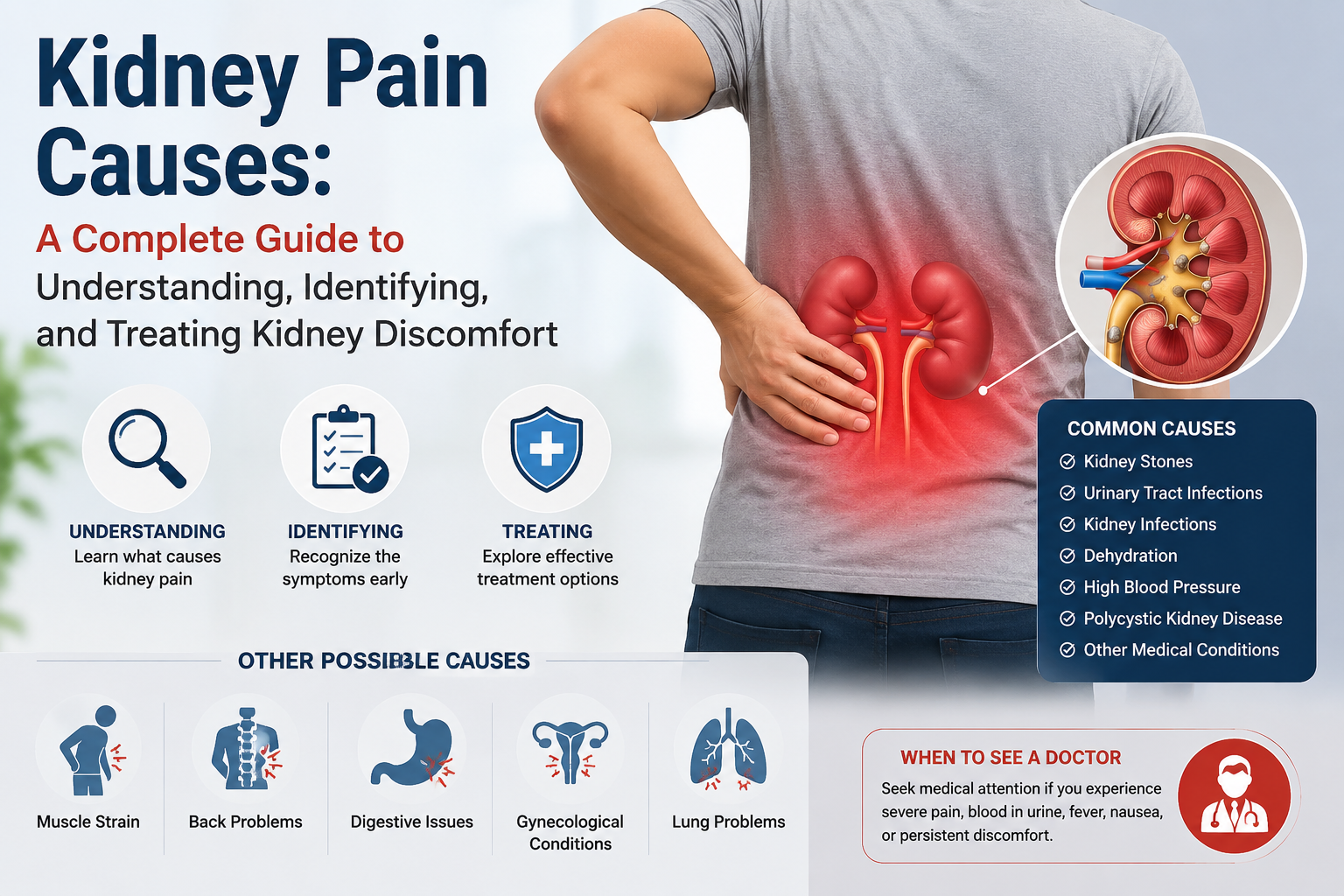
Kidney pain is one of those symptoms that people often confuse with ordinary back pain — and that confusion can be dangerous. Your kidneys are two bean-shaped organs sitting quietly just below your rib cage, on either side of your spine. When they start hurting, your body is sending you a message that something is wrong and needs attention.
In this comprehensive guide, we will walk you through the most common and serious causes of kidney pain, how to tell kidney pain apart from muscle pain, what symptoms to watch for, and when you absolutely must see a doctor. Whether you’re experiencing a dull ache or sharp, stabbing sensations in your back or sides, understanding the root cause is the first step toward getting the right treatment.
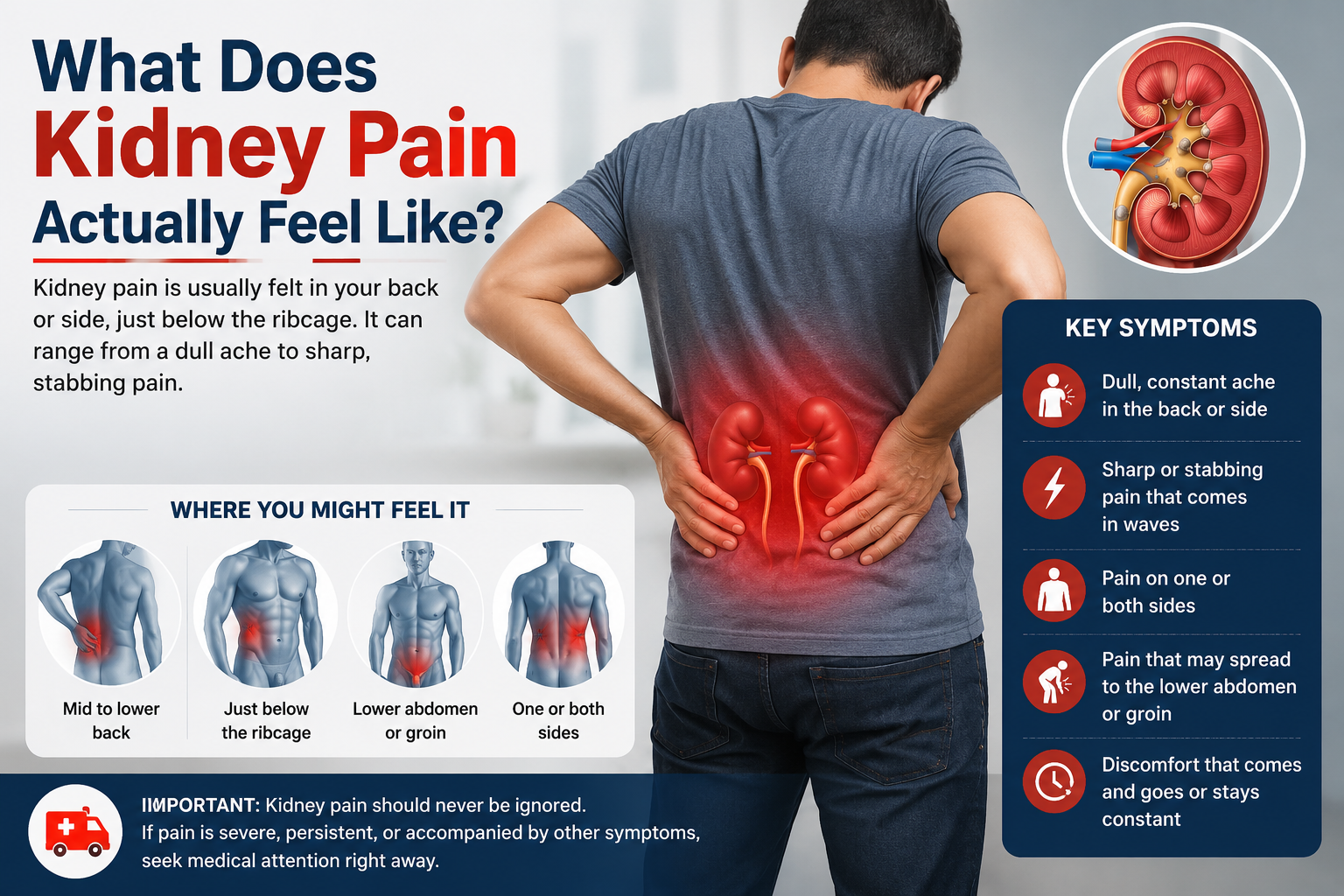
What Does Kidney Pain Actually Feel Like?
Before diving into causes, it helps to understand what kidney pain typically feels like so you can distinguish it from other types of discomfort. Kidney pain is usually felt in the flank area — the region between your lower ribs and your hips, on one or both sides of your back. Unlike muscle pain, kidney pain does not typically get worse when you move or stretch.
Kidney pain may feel like a constant dull ache, a sharp stabbing pain that comes in waves, or a deep throbbing sensation. It can also radiate down to the groin or the inner thigh, especially when a kidney stone is involved. Many people describe it as a pain that seems to come from “inside” the body rather than from a sore muscle or joint.
Top 10 Causes of Kidney Pain
Let’s explore the most well-documented causes of kidney pain, from the most common to the more serious conditions:
1. Kidney Stones (Nephrolithiasis)
Kidney stones are one of the most common causes of severe kidney pain, and they affect millions of people worldwide every year. These hard mineral deposits form inside the kidneys when urine becomes too concentrated, allowing minerals like calcium, oxalate, and uric acid to crystallize and stick together.
The pain caused by kidney stones is often described as some of the most intense pain a person can experience. It typically starts suddenly and fluctuates in waves, following the movement of the stone through the urinary tract. The pain often begins in the back or side, below the ribs, and may travel to the lower abdomen and groin. Additional symptoms include nausea, vomiting, pain during urination, and pink or brown-colored urine.
Risk factors include chronic dehydration, a diet high in sodium or protein, obesity, and a family history of kidney stones. Small stones often pass on their own with increased water intake, while larger stones may require medical procedures such as lithotripsy or surgical removal.
2. Urinary Tract Infection (UTI) and Kidney Infection (Pyelonephritis)
A urinary tract infection that travels upward into the kidneys becomes a serious condition known as pyelonephritis. This type of kidney infection is a medical emergency if left untreated. It is most commonly caused by bacteria — primarily E. coli — that enter the urinary tract through the urethra and travel up to the kidneys.
Symptoms of a kidney infection include pain and tenderness in the back, side, or groin, high fever with chills, nausea and vomiting, frequent and painful urination, cloudy or foul-smelling urine, and in some cases, blood in the urine. Women are significantly more likely to develop UTIs than men due to anatomical differences, though men are not immune.
Treatment typically involves antibiotics, and it is crucial to complete the full course even if symptoms improve quickly. Untreated kidney infections can lead to permanent kidney damage or a life-threatening condition called sepsis.
3. Polycystic Kidney Disease (PKD)
Polycystic kidney disease is a genetic disorder in which clusters of cysts develop primarily within the kidneys. These non-cancerous cysts are round sacs containing fluid, and while individual cysts are rarely serious, the sheer number of them in PKD can cause the kidneys to enlarge significantly and eventually lose function.
Kidney pain associated with PKD tends to be a persistent dull ache rather than a sharp pain. Other symptoms include high blood pressure, blood in the urine, a feeling of fullness or heaviness in the abdomen, frequent kidney infections, and kidney stones. PKD progresses over time and is a leading cause of kidney failure in adults. There is no cure, but treatment focuses on managing symptoms and slowing disease progression.
4. Hydronephrosis (Kidney Swelling from Blockage)
Hydronephrosis occurs when urine cannot drain properly from the kidney, causing it to swell. This blockage can be caused by a kidney stone lodged in the ureter, a tumor pressing on the urinary tract, scar tissue from surgery, blood clots, or in men, an enlarged prostate gland. During pregnancy, the growing uterus can also put pressure on the ureters, leading to mild hydronephrosis.
The resulting kidney pain is often severe and may be accompanied by nausea, vomiting, and problems with urination. If left untreated, hydronephrosis can lead to permanent kidney damage, so prompt diagnosis and treatment are essential.
5. Kidney Cancer (Renal Cell Carcinoma)
While not among the most common cancers, kidney cancer must be considered as a potential cause of persistent kidney pain — especially in older adults. Renal cell carcinoma is the most common type of kidney cancer, and unfortunately it often shows no symptoms in its early stages.
When symptoms do appear, they may include blood in the urine (hematuria), pain on one side of the lower back or flank, a palpable lump in the abdomen, unexplained weight loss, fatigue, and intermittent fever. Risk factors include smoking, obesity, high blood pressure, and a family history of kidney cancer. Early detection greatly improves the prognosis, so any unexplained kidney pain alongside these symptoms warrants immediate medical evaluation.
6. Renal Vein Thrombosis (Blood Clot in the Kidney)
Renal vein thrombosis is a rare but serious condition where a blood clot forms in the vein that carries blood away from the kidney. This can occur as a complication of nephrotic syndrome, severe dehydration, trauma to the abdomen or back, or in patients with certain blood-clotting disorders. It can also affect newborns as a consequence of severe dehydration.
The condition causes sudden, severe flank pain, blood in the urine, decreased urine output, and can lead to kidney infarction if blood supply is severely compromised. Treatment typically involves anticoagulant medications to dissolve the clot and prevent new ones from forming.
7. Glomerulonephritis (Kidney Inflammation)
Glomerulonephritis refers to inflammation of the glomeruli — the tiny filters within the kidneys responsible for removing waste and excess fluids from the blood. This condition can be caused by immune diseases such as lupus, infections like strep throat, or it can occur as a side effect of certain medications.
Symptoms include blood or protein in the urine, high blood pressure, puffiness or swelling around the face, hands, and feet (edema), fatigue, and decreased urine output. If not properly treated, glomerulonephritis can progress to chronic kidney disease and ultimately kidney failure. Treatment depends on the underlying cause and may include immunosuppressive medications, dietary changes, and blood pressure management.
8. Trauma or Injury to the Kidney
Physical trauma — from a car accident, a fall, a sports injury, or a direct blow to the back or abdomen — can injure the kidneys and cause significant pain. Minor injuries may result in bruising and mild discomfort, while severe trauma can cause kidney lacerations, internal bleeding, or complete rupture of the organ.
Signs of kidney trauma include pain and tenderness in the flank or abdominal area, blood in the urine, and in serious cases, signs of internal bleeding such as dizziness, low blood pressure, and rapid heart rate. Anyone who has experienced abdominal or back trauma and is experiencing these symptoms should seek emergency medical care immediately.
9. Medullary Sponge Kidney
Medullary sponge kidney is a congenital abnormality that occurs when the tiny tubules in the medullary region of the kidney develop small cystic spaces. This structural irregularity makes affected individuals more susceptible to kidney stones, urinary tract infections, and kidney calcification — all of which can cause kidney pain.
The condition is often discovered incidentally on imaging done for another purpose. While many people with medullary sponge kidney live normal lives with minimal complications, those who develop recurrent infections or stones require ongoing medical management.
10. Chronic Kidney Disease (CKD)
Chronic kidney disease is the gradual loss of kidney function over months or years. It is most commonly caused by diabetes and high blood pressure, though it can also result from recurrent kidney infections, certain medications, autoimmune diseases, and inherited conditions. Interestingly, CKD in its early stages rarely causes pain — the kidneys can lose a significant portion of their function before symptoms become apparent.
When kidney pain does appear in CKD patients, it is often related to a secondary complication such as a cyst, infection, or stone rather than the disease itself. Other symptoms of CKD include fatigue, swelling in the legs and ankles, changes in urination frequency, shortness of breath, and confusion. Regular blood and urine tests are essential for monitoring kidney health, especially in high-risk individuals.
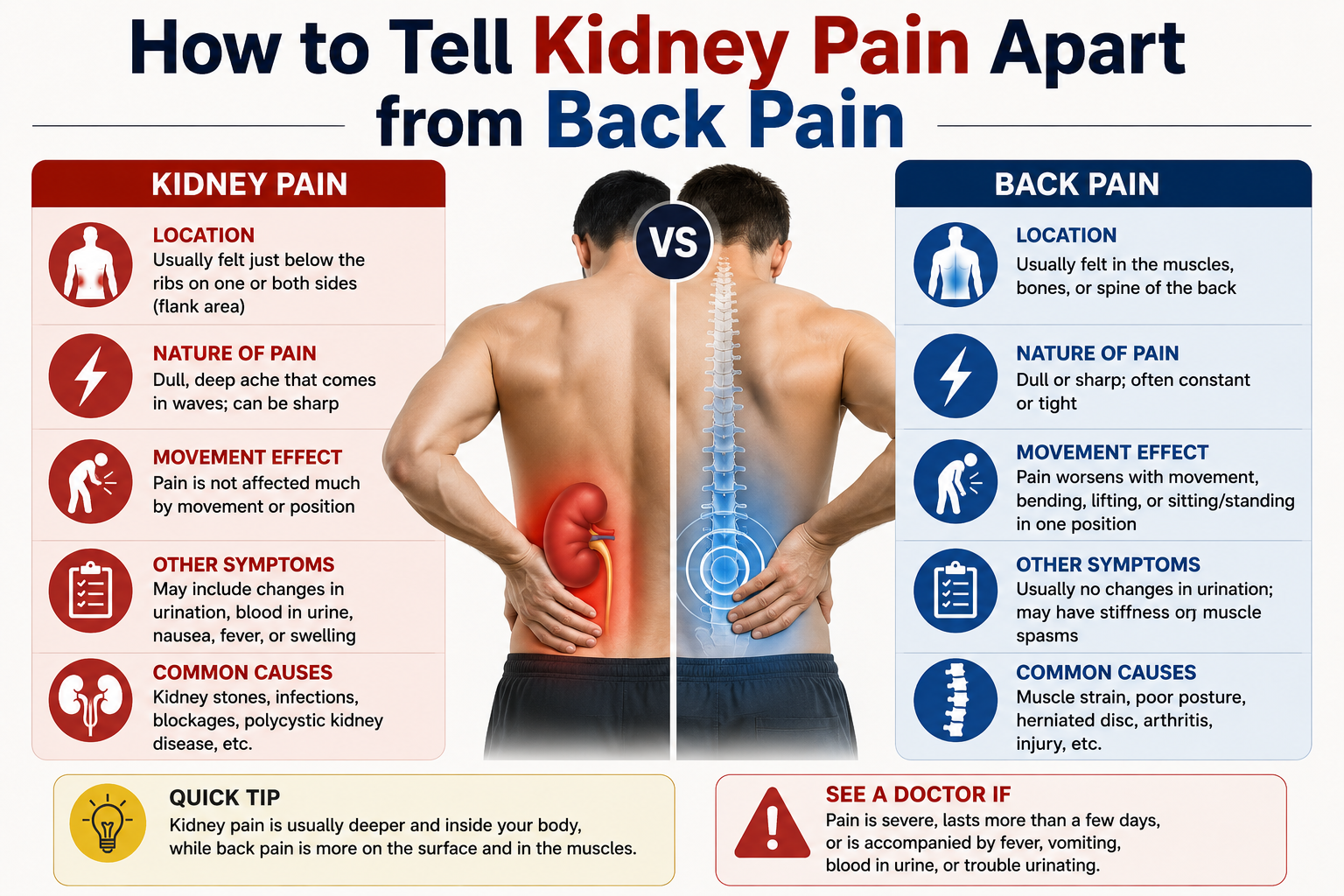
How to Tell Kidney Pain Apart from Back Pain
This is a question doctors hear all the time. Both kidney pain and back pain can cause discomfort in the same general area, making it genuinely difficult to self-diagnose. Here are some key differences:
- Location: Kidney pain is usually deeper and higher than typical lower back pain — it tends to sit just below the rib cage.
- Movement: Back pain typically worsens with movement or certain postures. Kidney pain generally does not change with position.
- Associated symptoms: Kidney pain often comes with urinary symptoms (frequent urination, burning, blood in urine), fever, nausea, or vomiting. Back pain alone rarely does.
- Radiation pattern: Kidney stone pain often radiates downward toward the groin. Muscle-related back pain typically stays localized.
When in doubt, always consult a healthcare professional. A urine test, blood work, or imaging scan (ultrasound or CT scan) can definitively confirm whether your kidneys are the source of the pain.
Warning Signs That Require Immediate Medical Attention
Kidney problems should never be ignored. Seek emergency care right away if you experience any of the following:
- Sudden, severe kidney pain that does not subside within an hour
- Blood in the urine (urine appears pink, red, or brown)
- High fever (above 38.5°C / 101.3°F) combined with back or flank pain
- Inability to urinate despite a strong urge to do so
- Swelling of the face, hands, or feet combined with fatigue and reduced urine output
- Signs of shock following abdominal trauma: dizziness, rapid heartbeat, pale skin
How to Keep Your Kidneys Healthy and Prevent Kidney Pain
Prevention is always better than cure. These science-backed habits go a long way in protecting your kidneys:
- Stay well hydrated: Drink 8–10 glasses of water daily to dilute urine and prevent stone formation and bacterial growth.
- Maintain a healthy blood pressure: Hypertension is one of the leading causes of kidney damage. Regular monitoring is essential.
- Manage diabetes: High blood sugar damages the small blood vessels in the kidneys over time. Keep glucose levels under control.
- Eat a kidney-friendly diet: Reduce salt, processed foods, and excessive protein. Increase fruits, vegetables, and whole grains.
- Avoid overuse of painkillers: NSAIDs (like ibuprofen and aspirin) can damage kidney tissue when used excessively over time.
- Don’t smoke: Smoking reduces blood flow to the kidneys and increases the risk of kidney cancer and chronic kidney disease.
- Get regular kidney function tests: Especially if you have diabetes, high blood pressure, a family history of kidney disease, or are over 60.
Final Thoughts: Listen to What Your Kidneys Are Telling You
Your kidneys work tirelessly — filtering around 200 liters of blood every single day. They deserve your attention and care. Kidney pain is not something to brush off or self-medicate without understanding the cause. The conditions listed above range from manageable to life-threatening, and early diagnosis is often the difference between a quick recovery and lasting damage.
If you are experiencing persistent or severe kidney pain, do not wait. Speak with a qualified healthcare provider, get the appropriate tests done, and get an accurate diagnosis. With the right treatment and lifestyle adjustments, most kidney conditions can be managed effectively — and your kidneys can continue doing their incredible job for decades to come.
Read More Information:
- Sore Throat Remedies: Top Natural Remedies for Fast Relief
- Hair Loss: Causes, Symptoms, Treatment & Management
- Stomach Pain Causes, Types and Relief
- Fever Symptoms, Types, Causes and Treatment

Welcome to Health Line Tips! I’m Mazhar Hayyat, an AI-Powered SEO, and Content Writer with 4 years of experience. I help websites rank higher, get more traffic, and look amazing. My goal is to make SEO and web design simple and effective for everyone. Let’s achieve more together!