

Stomach pain is a common condition that can occur for many reasons. It may feel sharp, dull, burning, or cramp-like, and the discomfort can be mild or severe. Sometimes the pain lasts only a short time, while in other cases it may continue or return often. Although it is commonly called stomach pain, the discomfort may also come from nearby organs such as the intestines, liver, kidneys, gallbladder, or bladder.
Common causes of stomach pain include indigestion, gas, constipation, food intolerance, infections, and inflammation. Stress, poor eating habits, and certain medical conditions can also lead to abdominal discomfort. If the pain is severe, lasts for several days, or happens with symptoms like fever, vomiting, or swelling, medical attention is recommended. Understanding the cause of the pain is important for choosing the right treatment.
Overview
Stomach pain is discomfort that can occur anywhere in the abdomen, between the ribs and the pelvis. Although it is commonly known as a stomachache, the pain does not always come from the stomach. The abdomen includes several important organs such as the intestines, liver, kidneys, gallbladder, pancreas, bladder, and appendix, so pain may start in any of these organs. In some cases, the discomfort may also come from the muscles or skin around the abdomen.
Stomach pain can be mild and short-term or severe and long-lasting. It may appear alone or with symptoms like nausea, bloating, vomiting, diarrhea, or cramping. Many cases are caused by minor problems and improve on their own. However, persistent or severe pain may indicate a serious medical condition and should be evaluated by a healthcare professional.
5 Major Causes of Stomach Pain
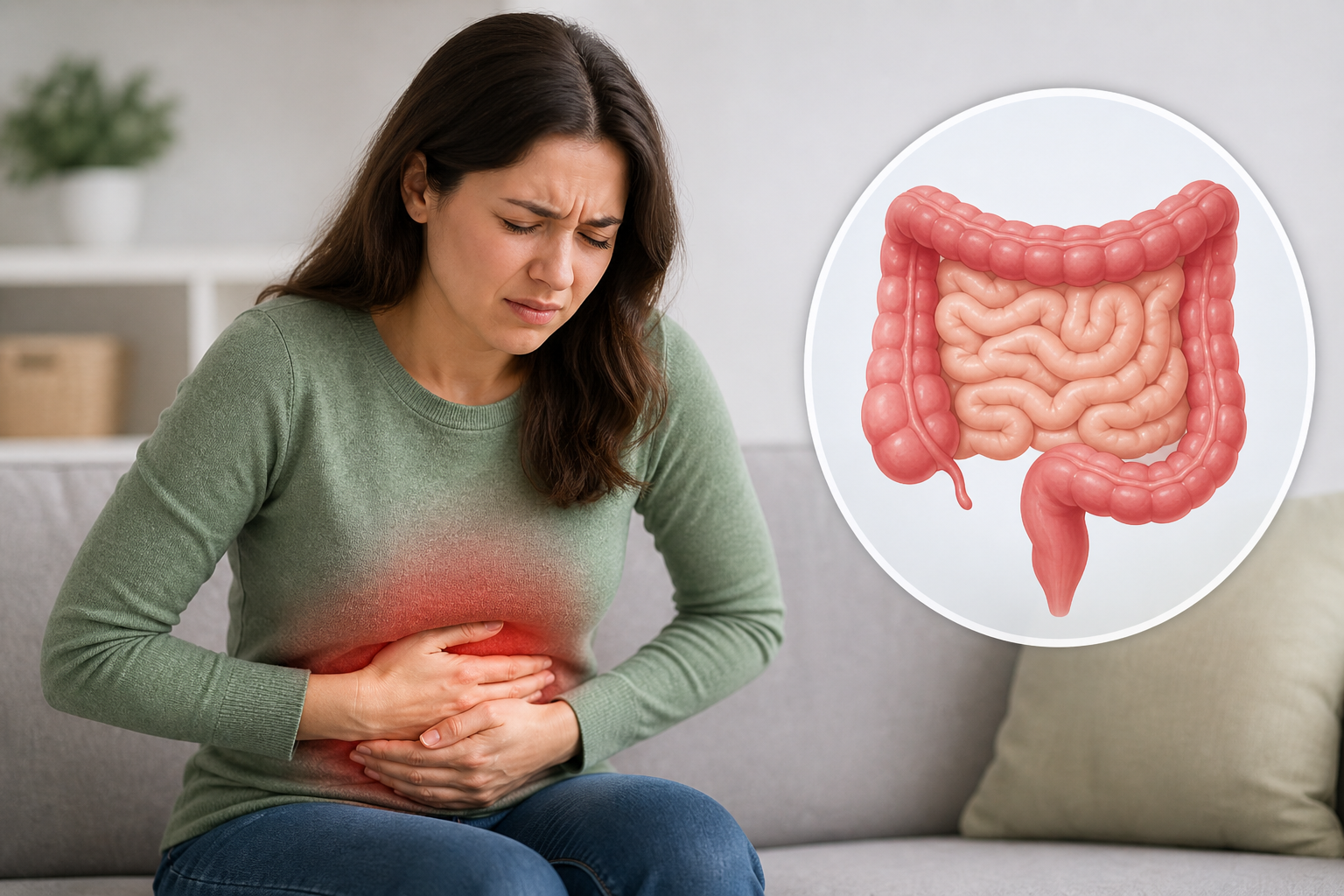
1. IBS and Stomach Pain
Irritable Bowel Syndrome (IBS) is a common digestive disorder that may cause stomach pain, bloating, diarrhea, or constipation. Symptoms often become worse after meals or during stress. IBS usually does not cause bleeding or sudden weight loss.
2. Constipation Pain
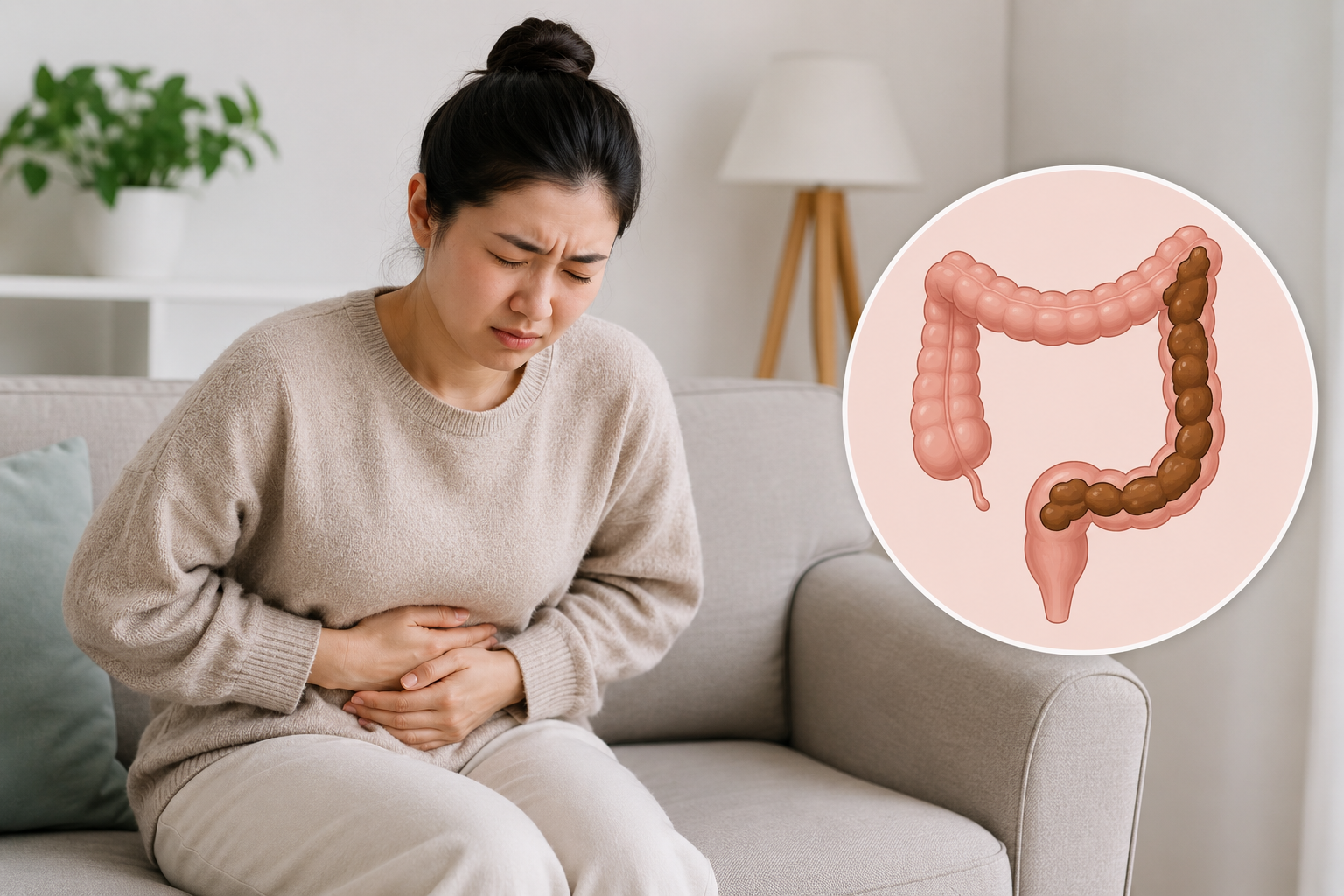
Constipation is a common cause of stomach pain and bloating. It can create a heavy feeling in the abdomen and may also lead to gas pain. This often happens when bowel movements become hard, slow, or less frequent.
3. Stomach Ulcers
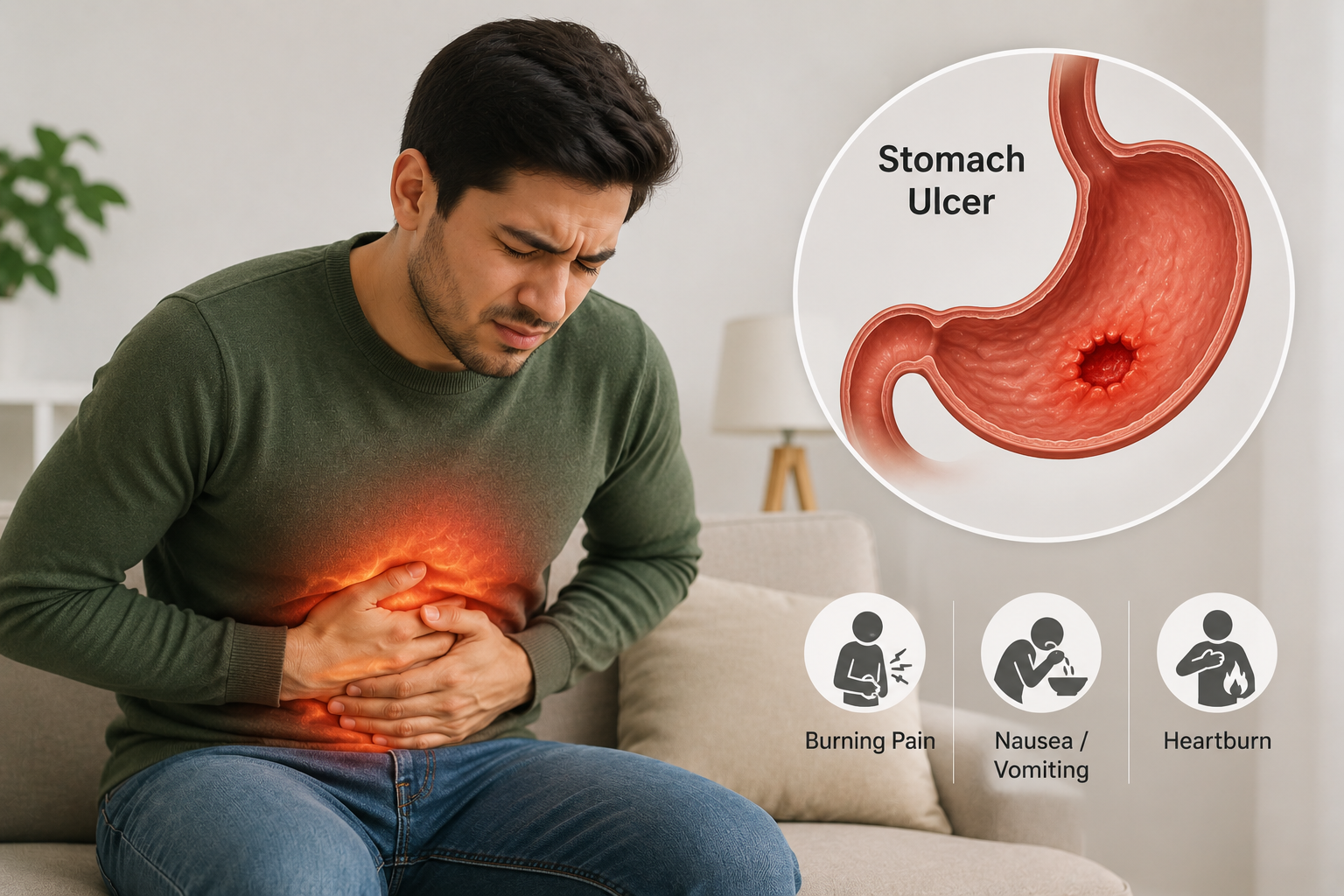
Stomach ulcers are sores that form in the lining of the stomach or upper small intestine. They often cause a burning pain, especially when the stomach is empty. Other symptoms may include nausea, vomiting, or heartburn.
4. Pancreatitis Pain
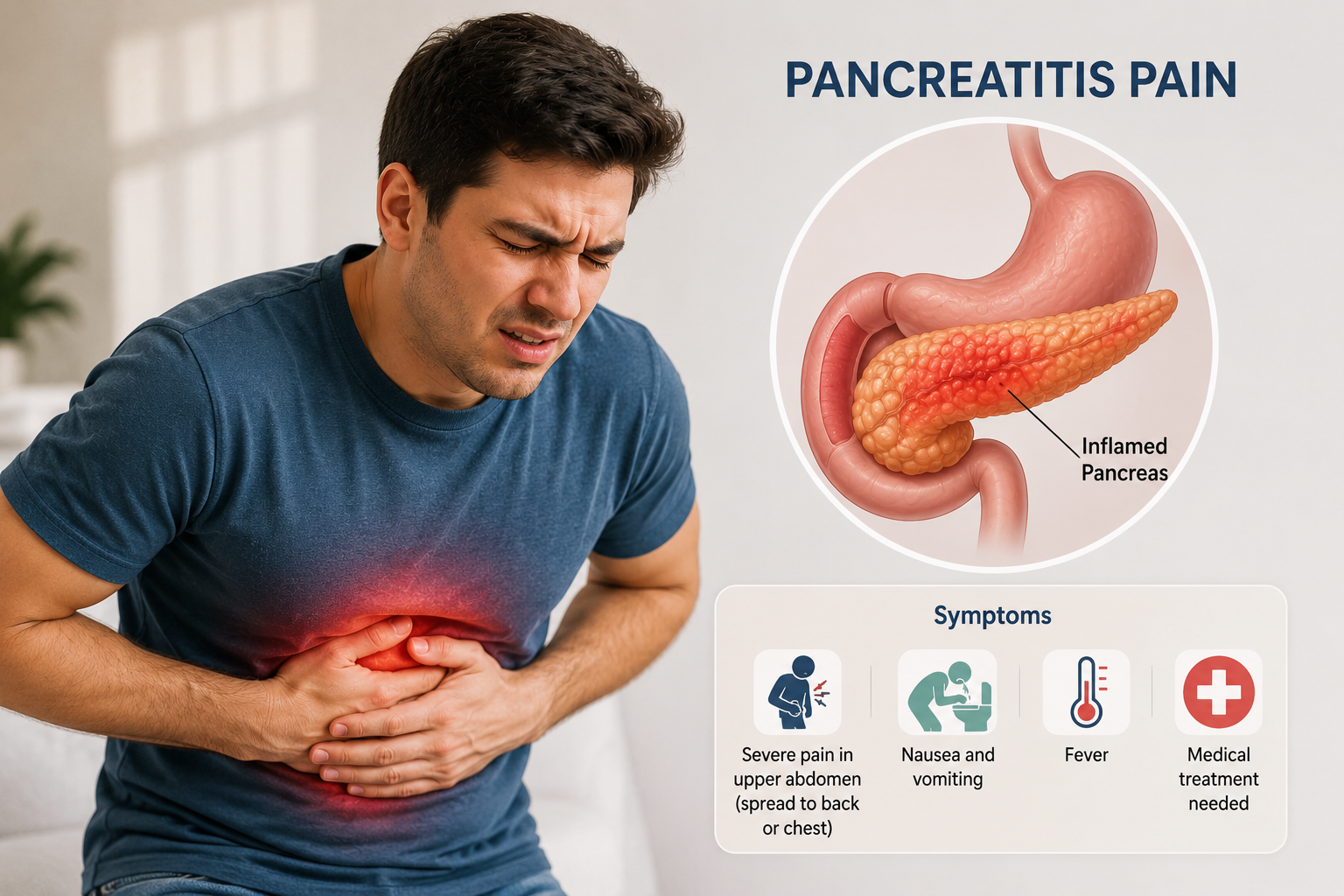
Pancreatitis is inflammation of the pancreas that can lead to severe pain in the upper abdomen. The pain may spread to the back or chest and can come with nausea, vomiting, or fever. Medical treatment is usually needed.
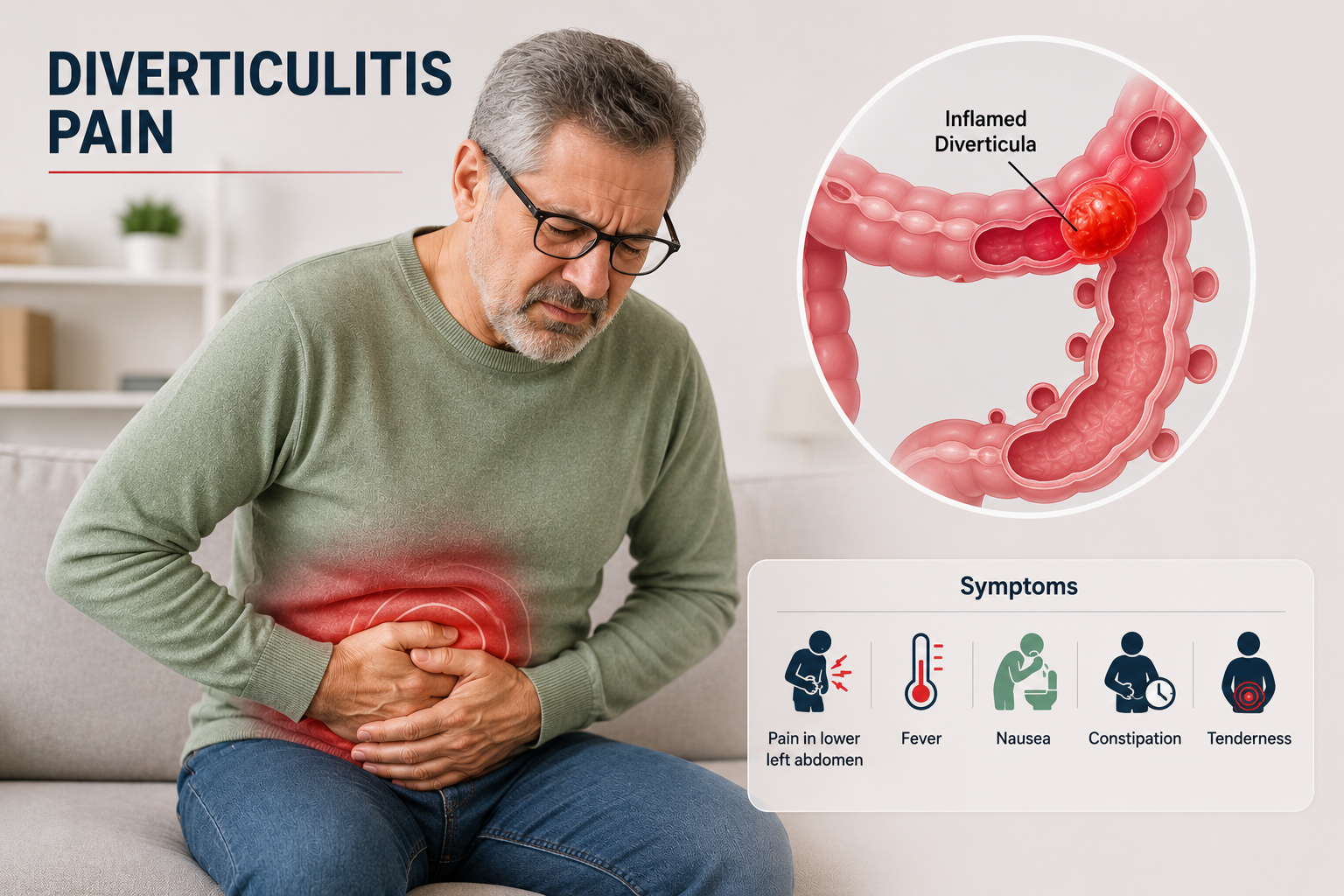
5. Diverticulitis Pain
Diverticulitis occurs when small pouches in the large intestine become swollen or infected. It commonly causes pain on the lower left side of the abdomen. Other symptoms may include fever, nausea, constipation, or tenderness.
Common Types of Stomach Pain
The abdomen contains several important organs, so doctors often determine the cause of stomach pain based on where the discomfort is felt. To make diagnosis easier, the abdomen is divided into four main sections. Each section can help identify which organ may be causing the pain.
- Upper Right Abdomen – Right side above the belly button
- Lower Right Abdomen – Right side below the belly button
- Upper Left Abdomen – Left side above the belly button
- Lower Left Abdomen – Left side below the belly button
Stomach Pain Symptoms
- Abdominal cramps or pain.
- Nausea and vomiting.
- Diarrhea or watery stools.
- Increased bowel movements.
- Headache or muscle aches.
- Weakness or fatigue.
- Chills with or without a fever.
Treatment for Stomach Pain
Treatment for stomach pain depends on the underlying cause. Mild symptoms often improve with rest, fluids, and basic home care. More serious or ongoing pain may require medicine or professional treatment.
Home Remedies
- Drink enough water to prevent dehydration
- Eat soft foods like bananas, rice, toast, or crackers
- Apply a warm compress to the abdomen
- Drink ginger, peppermint, or chamomile tea
- Rest and avoid large meals
- Eat smaller meals more often
- Avoid spicy, fried, or greasy foods
Medicines
- Antacids for heartburn or acidity
- Pain relievers such as acetaminophen
- Anti-diarrhea medicine
- Anti-nausea medicine
Medical Treatments
- Surgery for severe conditions if needed
- Antibiotics for bacterial infections
- Proton pump inhibitors (PPIs) for ulcers or acid reflux
- H2 blockers to lower stomach acid
- IV fluids for dehydration
When to Call a Doctor for Stomach Pain
Seek medical help if your stomach pain is severe, unexplained, getting worse, or does not go away. You should also contact a doctor if the pain happens after an injury or during pregnancy.
See a healthcare provider if stomach pain occurs with any of these symptoms:
- Pain lasting for several days
- Fever that does not improve
- Ongoing nausea or vomiting
- Blood in stool, urine, or vomit
- Swelling or tenderness in the abdomen
- Yellowing of the skin or eyes (jaundice)
- Pain spreading to other parts of the body
- Shortness of breath
- Difficulty swallowing
- Unexplained weight loss
Frequently Asked Questions (FAQs)
How do I relieve pain in my stomach?
To help relieve mild stomach pain, allow your stomach to rest by avoiding solid foods for a few hours. Drink small amounts of water, ginger tea, or clear liquids to stay hydrated. Using a heating pad on the abdomen may also ease discomfort. Once you feel ready to eat, start with bland foods like bananas, rice, applesauce, or toast. Avoid caffeine, alcohol, dairy products, and greasy foods until your symptoms improve.
What is causing my stomach pain?
Stomach pain is commonly caused by mild and temporary issues such as gas, indigestion, constipation, or viral gastroenteritis. It may also develop due to certain foods, stress, food allergies, menstrual cramps, or digestive disorders like irritable bowel syndrome (IBS). In some cases, stomach pain can be related to inflammation or infections, including ulcers or appendicitis, which may require medical attention.
What are the four types of stomach pain?
- Generalized Stomach Pain – Pain or discomfort spreads across a large part of the abdomen.
- Localized Stomach Pain – Pain felt in one specific area of the stomach or abdomen.
- Cramping Stomach Pain – Pain caused by tightening or spasms in the abdominal muscles.
- Colicky Stomach Pain – Sharp pain that comes and goes in waves and may feel intense.
How long can gas pain last?
This kind of stomach pain often gets better after digestion is complete and the stomach has emptied. Mild gas pain may ease within a few minutes to several hours once trapped gas is released through burping or passing gas.
Conclusion:
Stomach pain is a common condition that can vary from mild discomfort to a warning sign of a serious health issue. It may result from digestive problems, infections, stress, or conditions affecting organs in the abdomen. Understanding the type of pain, where it occurs, and any related symptoms can help find the cause and choose the right treatment.
Many mild cases improve with rest, fluids, and simple home remedies. However, severe, ongoing, or worsening pain should not be ignored. Getting medical attention at the right time can help prevent complications and provide proper treatment. Monitoring your symptoms and following healthy lifestyle habits can also help maintain better digestive health.
Read More Information:
Stomach Pain Causes and Relief

Welcome to Health Line Tips! I’m Mazhar Hayyat, an AI-Powered SEO, and Content Writer with 4 years of experience. I help websites rank higher, get more traffic, and look amazing. My goal is to make SEO and web design simple and effective for everyone. Let’s achieve more together!