
Irregular periods affect a large number of women at some point during their reproductive years, showing up as cycles that arrive too early, run too late, or skip entirely for months at a time. While minor shifts in timing are perfectly normal, a genuine pattern change often signals an underlying cause, ranging from everyday stress to conditions like PCOS, thyroid disorders, or uterine fibroids.
Understanding what truly counts as irregular menstruation versus ordinary variation helps you know when to simply monitor your cycle and when it’s time to seek medical guidance, especially if symptoms like abnormal uterine bleeding appear alongside it.
What Are Irregular Periods? (Overview)
A typical menstrual cycle runs somewhere between 21 and 35 days, with the average settling around 28 days and bleeding lasting four to seven days. When your timing, flow, or duration consistently falls outside that range, doctors classify it as irregular periods. This doesn’t automatically signal a serious problem, but it does mean your body’s hormonal rhythm has shifted in some way worth understanding. In some cases, this shift traces back to conditions like PCOS, thyroid disorders, or uterine fibroids, which is why persistent changes shouldn’t be ignored.
Your reproductive system isn’t a machine, so small fluctuations from one cycle to the next are perfectly normal and expected. What actually matters is recognizing a genuine pattern change, such as three consecutive skipped cycles or a sudden jump in bleeding intensity, because that kind of shift is usually your body signaling that something deserves attention.
Normal vs Irregular Menstrual Cycle
A regular menstrual cycle repeats consistently every 21 to 35 days without dramatic swings in length or flow. The table below breaks down the practical differences between a normal cycle and an irregular menstrual cycle so you can compare your own pattern.
| Feature | Normal Cycle | Irregular Cycle |
| Cycle length | 21–35 days | Shorter than 21 or longer than 35 days |
| Flow duration | 4–7 days | Longer than 7 days or unpredictable |
| Consistency | Varies less than 7–9 days between cycles | Varies more than 9 days between cycles |
| Bleeding pattern | Steady, predictable flow | Very heavy, very light, or spotting between periods |
| Missed cycles | Rare, isolated | Three or more missed periods in a row |
How to Keep Track of Your Periods
Using a period tracker app, a simple wall calendar, or even a basic notebook makes a surprising difference when you’re trying to identify irregular menstruation. Log your start date, end date, flow intensity, and any cramping or spotting each cycle. After two or three months of consistent tracking, patterns start to emerge clearly, and that record becomes genuinely valuable if you ever need to describe your symptoms accurately to a healthcare provider.
Common Examples of Irregular Periods (Early, Late, Skipped, Heavy/Light)
Irregular periods show up in several distinct forms, and recognizing which one applies to you helps narrow down the likely cause. Cycles that arrive earlier than 21 days, stretch past 35 days, disappear for three months or more, or swing unpredictably between heavy and barely-there flow all qualify. Bleeding or spotting between periods, after intercourse, or following menopause also falls under this umbrella, a pattern doctors often label abnormal uterine bleeding, and any of these patterns is worth mentioning to your provider.
What Causes Irregular Periods?
Hormones orchestrate your entire menstrual cycle, so anything that disrupts that hormonal balance can throw your rhythm off course. The causes of irregular periods range from everyday stress and lifestyle shifts to underlying reproductive health conditions such as endometriosis, PCOS, or pituitary gland disorders that genuinely require medical evaluation and treatment. Identifying the trigger usually starts with a careful look at your recent health history, medications, and daily habits.
Sometimes the cause is obvious, like recently starting a new birth control method or going through a major life stressor. Other times, uncovering the reason takes bloodwork, imaging, or a physical exam to reveal what’s happening internally. Either way, tracking your symptoms alongside your cycle gives your provider a genuine head start toward an accurate diagnosis.
Medical Conditions (PCOS, Thyroid Issues, Fibroids, etc.)
Several medical conditions are closely tied to irregular menstruation, and recognizing them by name helps you have a more informed conversation with your doctor. PCOS, formally known as Polyendocrine metabolic ovarian syndrome, causes excess androgen production that delays or prevents ovulation entirely. Thyroid disorders, including both hypothyroidism and hyperthyroidism, disrupt the hormones that regulate your cycle, while Pituitary gland disorders can interfere with the signals your brain sends to your ovaries.
Uterine fibroids and Endometriosis frequently cause abnormal uterine bleeding, heavy flow, and severe cramping. Pelvic inflammatory disease (PID), typically caused by an untreated sexually transmitted infection, can also trigger irregular bleeding alongside pelvic pain. Less commonly, primary ovarian insufficiency affects women under 40 whose ovaries stop functioning normally, while bleeding disorders and, in rare cases, uterine cancer or ovarian cancer can also present with abnormal menstrual changes. Related conditions worth knowing include amenorrhea (missed periods for 90 days or more), oligomenorrhea (infrequent periods, typically fewer than eight per year), and dysmenorrhea (severe menstrual pain).
Lifestyle Factors (Stress, Weight Changes, Exercise)
Chronic stress floods your body with cortisol, and elevated cortisol can delay or completely suppress ovulation. Rapid weight loss, significant weight gain, or intense athletic training, particularly among long-distance runners, dancers, and gymnasts, often produces the same hormonal disruption. Your body interprets these changes as survival threats and quietly pauses reproductive functions until it senses things have stabilized again.
Other Causes (Perimenopause, Medications, Birth Control)
Approaching perimenopause, which typically begins in your 40s, naturally destabilizes cycle regularity for several years before menopause fully sets in. Starting or discontinuing hormonal birth control can also cause temporary irregularity, sometimes lasting up to six months as your body readjusts. Certain medications, including blood thinners and steroid treatments, along with complications like miscarriage or ectopic pregnancy, round out the list of less obvious contributing factors.
Symptoms That Come With Irregular Periods
Beyond simple timing changes, irregular periods often arrive with a cluster of additional symptoms worth paying attention to. Many women notice unusual cramping, sometimes rising to the level of dysmenorrhea, unexpected clotting, or spotting that shows up between regular cycles rather than during them. Mood swings, fatigue, and changes in appetite that don’t match your typical monthly pattern can accompany hormonal irregularity as well.
Paying close attention to these companion symptoms helps both you and your healthcare provider narrow down the underlying cause much faster than timing alone. A single unusual cycle rarely warrants panic, but a consistent cluster of symptoms building over several months is a much stronger signal that something needs evaluation.
Signs You Should Pay Attention To
Certain symptoms cross the line from “normal variation” into “call your doctor” territory. Watch closely for severe pelvic pain, soaking through a pad or tampon every hour for several hours straight, or passing large clots larger than a quarter. Foul-smelling discharge paired with your period, along with fever and vomiting or nausea during period episodes, are red flags that shouldn’t be dismissed as “just a bad cycle.” These symptoms sometimes point toward PID or endometriosis, both of which respond well to early treatment.
How Are Irregular Periods Diagnosed?
Diagnosing irregular periods typically starts with a detailed conversation about your cycle history, symptom patterns, and overall medical background. Your provider will ask specific questions about flow, pain level, and timing, so bringing your tracked notes to the appointment genuinely speeds things up. A physical exam, including a pelvic exam, usually follows to check for any obvious physical abnormalities.
From there, your provider decides whether additional testing makes sense based on what the initial exam reveals. Not every case of irregular menstruation requires extensive testing, but persistent or severe symptoms often warrant a closer look using imaging or laboratory work to rule out uterine fibroids, bleeding disorders, or, rarely, uterine cancer and ovarian cancer.
Tests and Exams Your Doctor May Recommend
| Test | What It Checks | Why It’s Used |
| Pelvic ultrasound | Uterine fibroids, ovarian cysts, structural issues | Detects physical causes of abnormal bleeding |
| Bloodwork | Hormone levels, thyroid function | Identifies hormonal imbalances |
| Endometrial biopsy | Uterine lining tissue sample | Diagnoses endometriosis or precancerous changes |
| Hysteroscopy | Direct view inside the uterus | Diagnoses and treats abnormal bleeding sources |
These tests sound intimidating on paper, but in practice, they’re routine outpatient procedures that most providers perform regularly and can usually complete within a single visit.
Treatment Options for Irregular Periods
Treatment for irregular periods always depends heavily on what’s actually driving the disruption in the first place, whether that’s PCOS, endometriosis, thyroid disorders, or something else entirely. Once your provider pinpoints the underlying cause, they’ll typically recommend starting with the least invasive option available before escalating further. Many patients notice real improvement within just a few cycles of beginning appropriate treatment.
Your treatment plan may also shift over time as your circumstances change, particularly if you’re planning pregnancy or approaching menopause. A good provider will revisit the plan periodically rather than locking you into a single approach indefinitely.
Medications for Irregular Periods
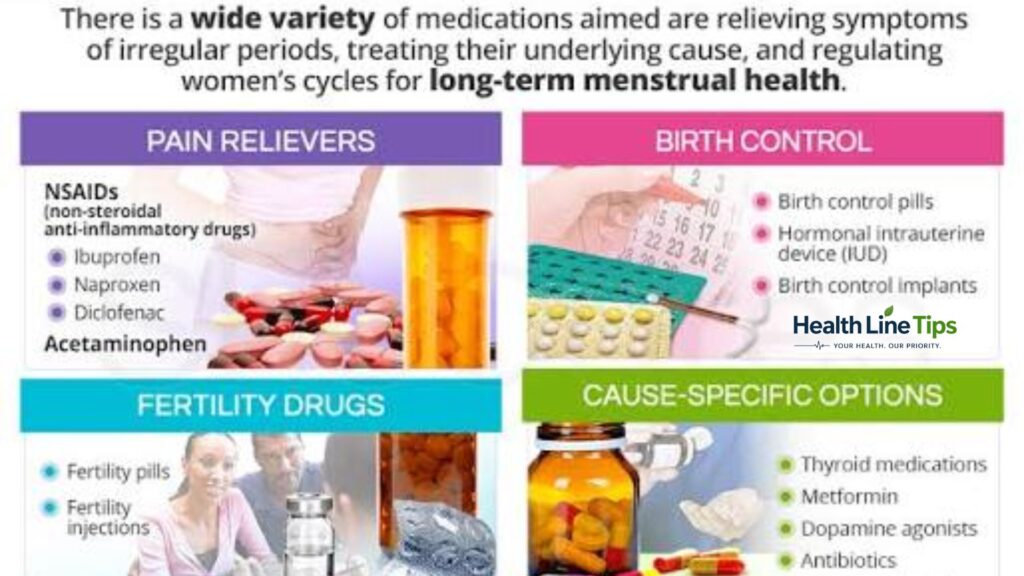
Hormonal birth control remains the most common first-line treatment, since it regulates cycle timing while simultaneously managing heavy bleeding and cramping. Options span combination pills, progestin-only pills, IUDs, injections, and vaginal rings, giving you real flexibility in finding what fits your lifestyle. Tranexamic acid can curb particularly heavy bleeding episodes, pain relievers like ibuprofen handle cramping, and hormone therapy sometimes helps when perimenopause is the underlying driver.
Surgical Options (If Needed)
When medication alone isn’t sufficient, surgical procedures become the next consideration. A myomectomy removes fibroids directly responsible for the disruption, while endometrial ablation reduces bleeding for women who are finished having children. Severe, treatment-resistant cases occasionally require a hysterectomy, though physicians generally consider that a last resort rather than a first option.
Lifestyle-Based Treatment Approaches
Simple, sustainable changes often make a genuinely noticeable difference alongside medical treatment. Better sleep quality, a steadier body weight, and meaningfully lower stress levels won’t cure every underlying condition, but they consistently support whatever medical treatment plan you’re already following. Small daily habits, maintained consistently, tend to add up faster than most people initially expect.
8 Natural Home Remedies to Regulate Periods
While medical treatment addresses the root cause of irregular periods, several natural approaches can support overall cycle health alongside your treatment plan.
1. Practice Yoga
Yoga lowers cortisol levels and eases the physical tension that can throw off ovulation timing. Poses like child’s pose and cobra specifically target the reproductive organs and pelvic region. Even fifteen minutes of practice a few times weekly can produce a noticeable shift over a couple of months.
2. Maintain a Healthy Weight
Both being significantly underweight and carrying excess weight disrupt normal hormone production in ways that affect ovulation. Gradual, sustainable changes work far better for cycle regularity than crash diets or extreme weight loss programs. Steady, patient progress protects your hormonal balance much more effectively than dramatic short-term fixes.
3. Exercise Regularly
Moderate movement, think brisk walking, swimming, or light strength training, supports healthy hormonal balance without overtaxing your system. It’s worth skipping the extremes here, since overtraining frequently backfires and delays your cycle rather than helping regulate it.
4. Try Ginger
Ginger may help regulate flow and ease cramping thanks to its natural anti-inflammatory properties. A warm cup of ginger tea during your cycle offers a simple, low-risk starting point if you’re curious about natural remedies.
5. Add Cinnamon to Your Diet
Some research suggests cinnamon improves insulin sensitivity, which matters significantly for women dealing with PCOS-related cycle irregularity. Sprinkling it into oatmeal, coffee, or smoothies makes for an easy, low-effort daily addition worth experimenting with.
6. Make Sure You’re Getting a Daily Recommended Dose of Vitamins and Minerals
Vitamin D, B vitamins, and iron all play meaningful supporting roles in overall menstrual health. Ongoing deficiencies can quietly worsen irregularity over time without an obvious explanation. A balanced diet, or a basic daily multivitamin when needed, often closes that nutritional gap effectively.
7. Try Eating Pineapple
Pineapple contains bromelain, an enzyme some believe helps soften the uterine lining and ease menstrual flow. The scientific evidence remains mostly anecdotal at this point, but it’s a tasty and genuinely harmless addition to try regardless.
8. Reduce the Stress in Your Life
Chronic stress ranks among the biggest hormone disruptors affecting menstrual regularity today. Meditation, journaling, therapy, or simply learning to say no more often can meaningfully protect your cycle over the long run.
“Lifestyle-based approaches won’t replace medical treatment when an underlying condition exists, but they consistently support better hormonal balance alongside it,” is a sentiment echoed frequently across reproductive health guidance.
Irregular Periods and Fertility (Trying for a Baby)
Unpredictable ovulation genuinely makes timing conception trickier, since you can’t easily pinpoint your most fertile window each month. That said, irregular periods don’t automatically translate into infertility, and plenty of women conceive naturally once an underlying cause like PCOS, endometriosis, or primary ovarian insufficiency gets properly identified and treated. Understanding your specific pattern is often the first practical step toward a successful pregnancy timeline.
Consider Sarah, a 29-year-old who struggled for over a year with cycles ranging anywhere from 24 to 52 days. After bloodwork revealed PCOS as the underlying cause, a combination of metformin and lifestyle changes helped regulate her ovulation within four months, and she conceived shortly after. Her experience reflects a common pattern: identifying the cause is frequently the turning point.
Can You Get Pregnant With Irregular Periods?
Yes, it’s entirely possible, though it may require more careful planning than a predictable cycle allows. Ovulation predictor kits or tracking your basal body temperature daily can help narrow down your fertile days with reasonable accuracy. If you’ve been actively trying to conceive for a year without success, or six months if you’re over 35, a fertility specialist can offer targeted, personalized guidance.
When Should You See a Doctor?
Don’t wait too long if something about your cycle genuinely feels off compared to your usual pattern. Persistent irregularity, especially when paired with pain or unusual bleeding, deserves professional evaluation rather than prolonged guesswork at home.
Warning Signs You Shouldn’t Ignore
See a doctor promptly for missed periods lasting three months or more, any bleeding after menopause, or severe cramping that consistently disrupts your daily activities. Soaking through protection every hour for several consecutive hours, or passing large clots, also warrants a same-week appointment rather than a wait-and-see approach, especially if it’s paired with severe pelvic pain.
Conclusion:
Irregular periods are common, and in most cases, they’re manageable once you understand what’s driving the change. Whether the cause is stress, weight fluctuations, or an underlying condition like PCOS, thyroid disorders, or uterine fibroids, tracking your cycle and paying attention to accompanying symptoms goes a long way toward getting the right answers.
Home remedies and lifestyle changes can support regularity, but they work best alongside proper medical guidance rather than as a replacement for it. If your periods stay unpredictable for several months, come with severe pain, or affect your ability to conceive, don’t hesitate to reach out to your gynecologist. A little attention now can save you a lot of uncertainty later, and it puts you back in control of your reproductive health.
Read More:
- 9 Healthiest Salad Dressings for Better Nutrition
- VO2 Max Is a Trendy Fitness Metric—What It Really Reveals About Your Health
- Caring for Your Mental Health: A Complete Guide to Wellness Tips & Support
- Balancing Oily Skin Naturally with Kaloneo’s Revitalising Toning Mist
- How to Reduce Fever Naturally: 12 Safe Home Remedies That Actually Work

Welcome to Health Line Tips! I’m Mazhar Hayyat, an AI-Powered SEO, and Content Writer with 4 years of experience. I help websites rank higher, get more traffic, and look amazing. My goal is to make SEO and web design simple and effective for everyone. Let’s achieve more together!