If you’re looking to start a healthy diet plan without complicated meal prep or expensive ingredients, this step-by-step beginner diet guide, No fancy diet rules, no extreme restrictions — just simple, practical changes to your daily eating habits using everyday foods you already have at home.
Your specific goal — whether it’s weight loss, managing diabetes, PCOS, or thyroid — can be addressed through this simple balanced diet routine, using regular home-cooked meals.
Start With a Regular Sleep Schedule
Before diet even begins, your sleep cycle plays a major role in your overall health. Make sure you’re getting 7 to 9 hours of sleep and going to bed and waking up at the same time every day. A consistent sleep-wake routine sets the foundation for your entire day and diet.
Morning Routine: Hydration Before Anything Else
As soon as you wake up, avoid drinking tea or coffee on an empty stomach. Instead, start your day with a good amount of water — warm or cold, whichever you prefer. After hydrating, get some light movement in before jumping into your actual workout, since your day’s schedule will determine when and how you work out.
Healthy Morning Snack: Nuts and Fruits
Once you’re a little hungry after your morning routine, have a handful of nuts — about 8 to 10 almonds, walnuts, or peanuts — along with some fruit. This can be fresh fruit like an apple, banana, or guava, or dried fruits like dates or figs. This combination prevents sugar spikes and provides healthy fats, which are essential for brain health, joint health, and overall hormonal balance.
Wait about 30 minutes before having breakfast, and enjoy your tea or coffee along with breakfast rather than on an empty stomach, since empty-stomach tea or coffee can negatively impact your gut health and digestive system.
Building a Balanced Breakfast
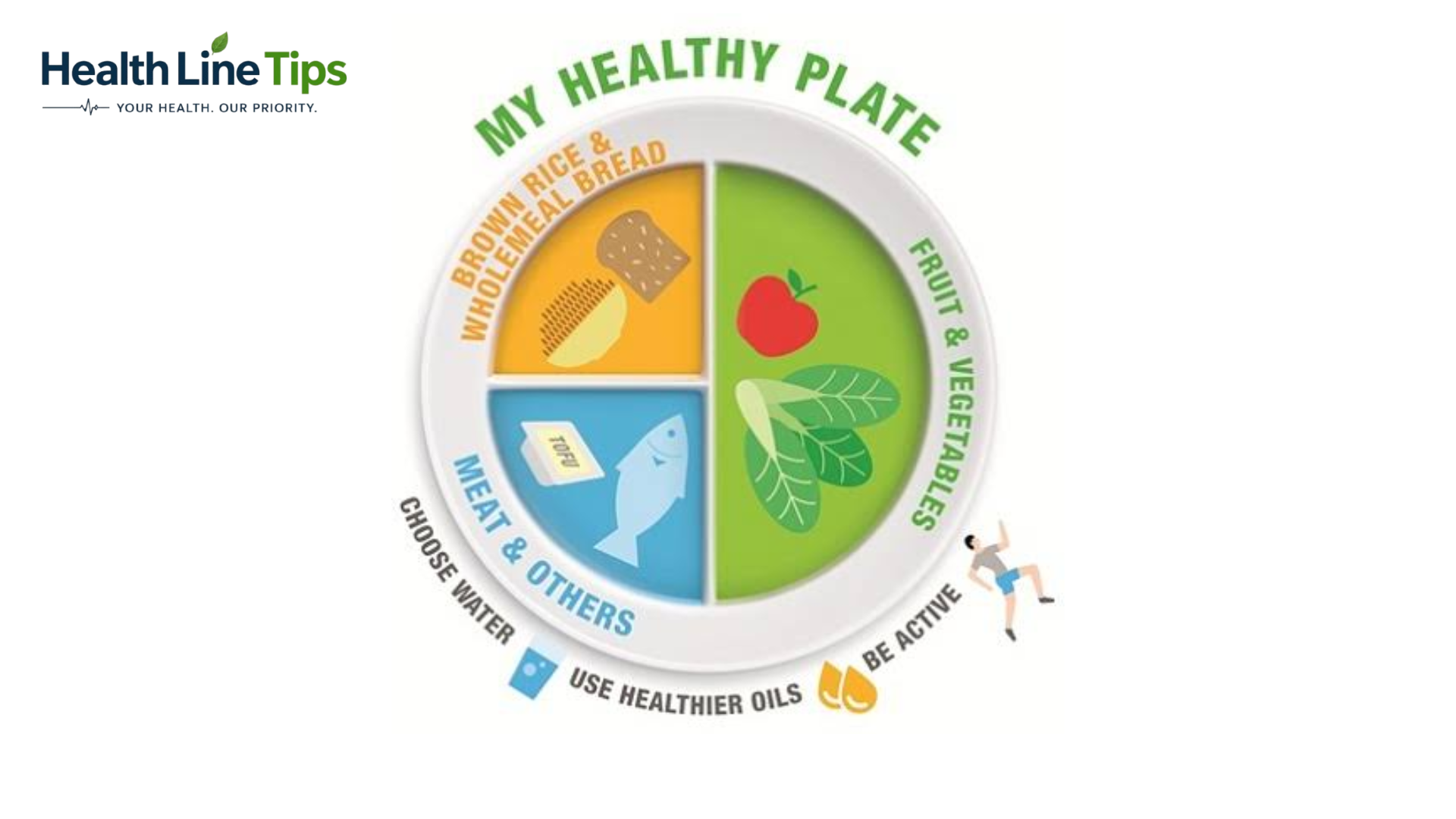
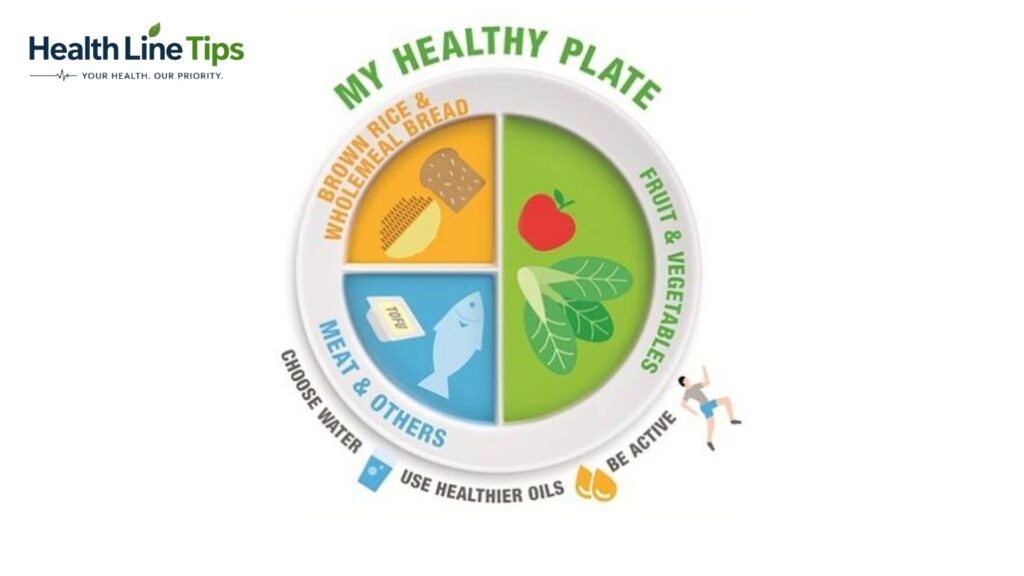
Your everyday breakfast — whatever your regional favorite may be — is completely fine to continue eating. Most traditional breakfasts are largely made of carbohydrates and grains, cooked in oil, which adds fats — so the carbs and fats are already covered, and you’ve had fiber from fruit earlier.
The missing piece to make your breakfast a truly balanced meal is protein. Add sprouts, boiled lentils, or boiled legumes for a vegetarian option, or a couple of boiled eggs, a fried egg, or an omelet if you eat non-vegetarian food. Adding a protein source to your breakfast helps prevent the mid-morning hunger pangs that typically hit around 11-12 PM.
Lunch: Grains, Vegetables, and Bread
A traditional lunch of lentils, rice, vegetables, and bread is completely fine and gives you fiber, carbs, and fats. However, protein is still relatively low in this combination, so make sure to add a protein-rich food like beans, legumes, soy, cottage cheese, or chicken, fish, or egg to balance your meal out.
Evening Snacking: Smarter Alternatives
Between lunch and dinner, there’s usually a long gap that leads to hunger. Instead of reaching for tea or coffee alone, try a glass of buttermilk or yogurt drink, which provides probiotics essential for good digestion — the same benefit you get from plain yogurt. If you’re having tea, swap your usual biscuits or fried snacks for healthier options like peanuts or roasted seeds, giving you a healthy snacking option that sustains you until dinner.
Dinner: Timing Matters as Much as Food Choice
A simple rule for dinner is to eat it 3 hours before bedtime. For example, if you sleep at 2 AM, finish dinner before 11 PM; if you sleep at 11 PM, finish dinner before 8 PM. This timing helps protect your sleep quality and digestion.
For dinner, you can repeat a similar combination of lentils, rice/grains, vegetables, and bread, or opt for lighter meals. Just make sure to add protein and a bowl of salad to bring in extra fiber, keeping your dinner balanced just like your other meals.
Post-Dinner Habits
After dinner, some people enjoy something sweet or a glass of milk. These are optional and best kept minimal or avoided based on your personal calorie budget, and should still be consumed at least 3 hours before bedtime.
The 80/20 Rule for Favorite Foods
Rather than completely cutting out your favorite foods, schedule them intentionally — for example, plan to have pizza or burgers on a Friday or Sunday. Eating your favorite indulgent foods twice a week won’t harm your health as long as the majority of your meals throughout the week remain balanced. Scheduling your treats helps your brain stay motivated to stick to your balanced diet plan for the rest of the week.
Don’t Forget Hydration
Throughout the day, make sure you’re drinking a good amount of water — generally between 3 to 5 liters, though your exact hydration needs depend on individual factors like body weight and activity level.
Why a Generic Meal Plan Doesn’t Work for Everyone
A common question is exactly how much of each food to eat. The honest answer is that portion sizes depend on your age, sex, height, weight, daily physical activity, blood reports, and personal preferences. There’s no one-size-fits-all quantity that works for everyone, which is why understanding the principles of a balanced diet is more valuable than following a rigid meal plan.
Final Thoughts on Starting Your Diet Journey
Managing your health — whether it’s weight loss, diabetes, PCOS, or thyroid — is possible through simple, mindful changes to your regular home-cooked food. It doesn’t require extreme restriction or complicated diet rules. By focusing on balanced meals with the right mix of carbs, protein, fats, and fiber at each meal, staying hydrated, sleeping well, and allowing yourself scheduled treats, you can build a sustainable and realistic path toward better health, no matter where in the world you live.
Read More:
Lose Belly Fat in 7 Days: The Ultimate At-Home Belly Fat Workout Challenge
High Blood Pressure: Causes, Symptoms, Diagnosis, and Treatment Explained
Anxiety Management: Why Anxiety Is Not an Illness, It’s a Message

Welcome to Health Line Tips! I’m Mazhar Hayyat, an AI-Powered SEO, and Content Writer with 4 years of experience. I help websites rank higher, get more traffic, and look amazing. My goal is to make SEO and web design simple and effective for everyone. Let’s achieve more together!