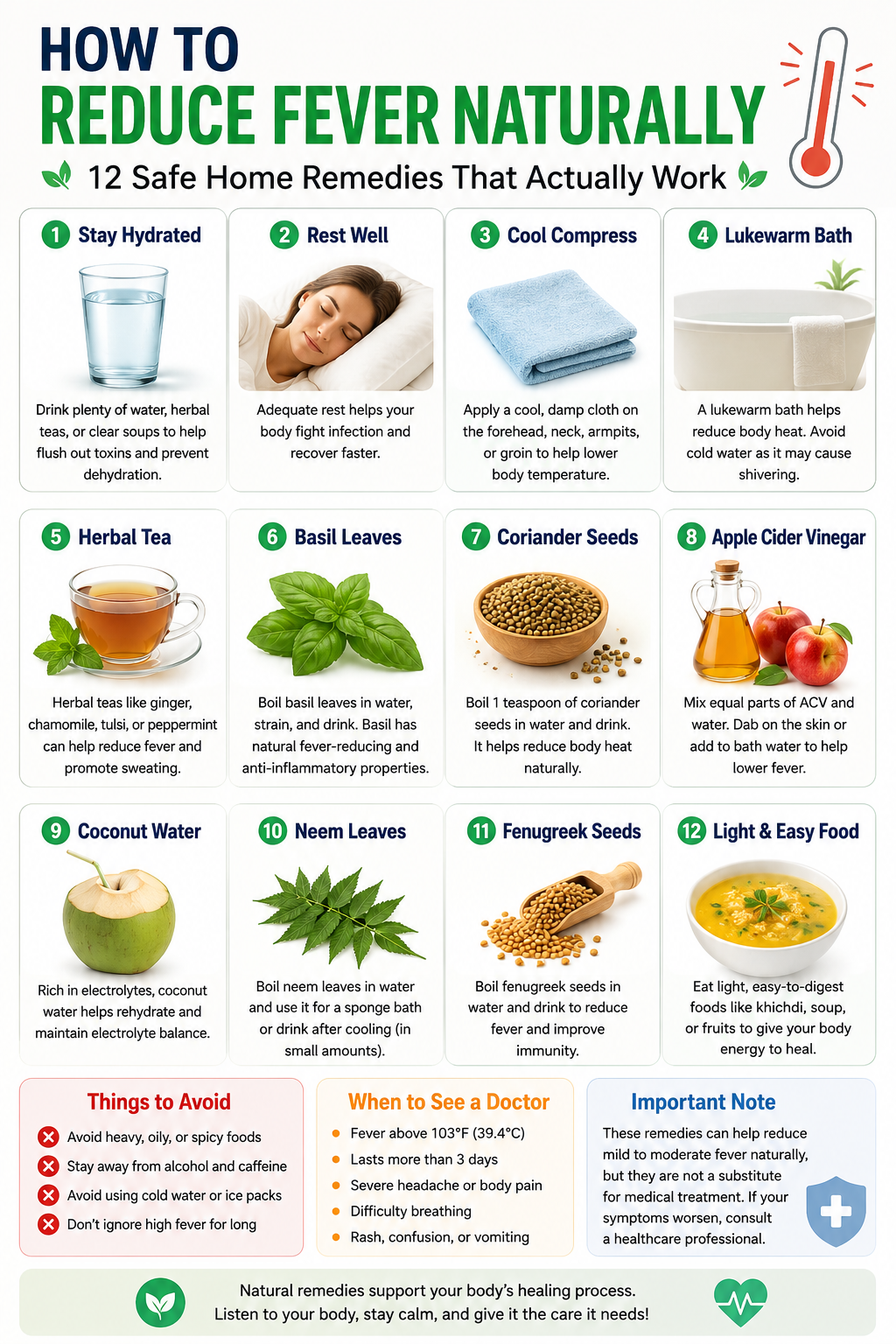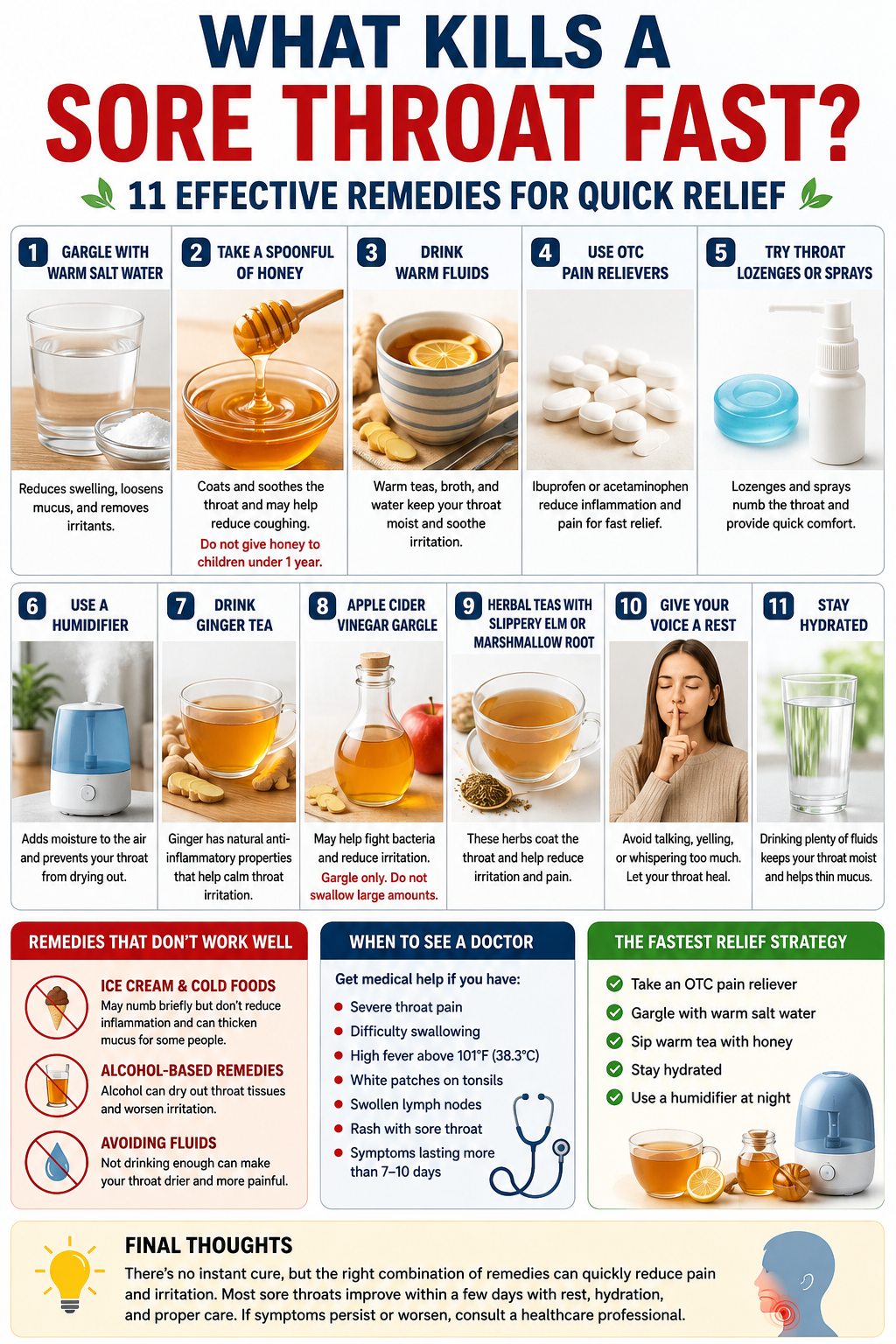

A sore throat, also called pharyngitis, is a common condition that causes pain, dryness, or irritation in the throat. It can make swallowing or speaking uncomfortable. Many people search for sore throat remedies when these symptoms appear. Most sore throats are caused by viral infections such as the common cold, flu, coxsackievirus, or mononucleosis.
Common symptoms include throat pain, a scratchy feeling, and difficulty swallowing. In many cases, a sore throat is part of the body’s natural defense against infection and often improves on its own within a few days.
Even a mild sore throat can disturb sleep and daily activities. Simple home care, like drinking warm fluids and getting enough rest, can help reduce pain and soothe irritation.
However, if the sore throat becomes severe, lasts more than a few days, or continues to get worse, it is important to consult a healthcare professional.
What Is a Sore Throat? A Simple Health Guide
A sore throat is often an early sign of a cold or the flu, and many people start looking for sore throat remedies as soon as symptoms appear. It may begin with a mild tickle, dryness, or discomfort in the throat.
This condition occurs when the back of the throat, known as the pharynx, becomes inflamed. As a result, you may feel pain, irritation, swelling, or a scratchy sensation, which can often be managed with simple sore throat remedies.
Taking early action and using effective sore throat remedies can help ease symptoms and prevent them from getting worse. Simple steps like drinking plenty of fluids and getting enough rest can support faster relief.
If the discomfort increases, over-the-counter medicines along with basic sore throat remedies can help soothe the throat and reduce irritation effectively.
Best Natural Sore Throat Remedies
The following remedies can help reduce pain, soothe irritation, and support recovery from a sore throat:
1. Use Honey for Natural Relief
Honey is a well-known natural remedy that helps soothe a sore throat. It can be taken directly or added to warm tea to reduce irritation and ease coughing.
Studies suggest that honey can be as effective as some cough medicines, especially for children. It may also help relieve symptoms of upper respiratory infections.
Note: Do not give honey to children under 1 year old due to the risk of infant botulism.\

2. Gargle with Warm Salt Water
Gargling with warm salt water is an easy and effective way to relieve a sore throat. It helps calm irritation, clear mucus, and reduce bacteria in the throat.
To use, dissolve half a teaspoon of salt in a glass of warm water and gargle for a few seconds before spitting it out. This can help reduce swelling and keep your throat clean.
For better results, repeat this process a few times a day to support faster healing.

3. Try Baking Soda and Salt Gargle
Along with salt water, a mixture of baking soda and salt can help soothe a sore throat. This solution may help reduce bacteria and control fungal growth in the throat.
To make it, add 1/4 teaspoon of baking soda and 1/8 teaspoon of salt to a cup of warm water. Gargle gently, then rinse your mouth with plain water. This can be used a few times daily to ease discomfort.
Quick Fact:
Viral infections cause most sore throats. Bacterial causes, such as strep throat, are less common and may need medical care.

4. Drink Soothing Chamomile Tea
Chamomile tea is a gentle, natural option for sore throat relief. Its anti-inflammatory and antioxidant properties can help calm irritation and reduce discomfort.
Studies suggest that chamomile may ease inflammation in the throat and surrounding areas. Drinking it warm may also support your immune system, helping your body recover faster from infection.

5. Use Peppermint for Cooling Effect
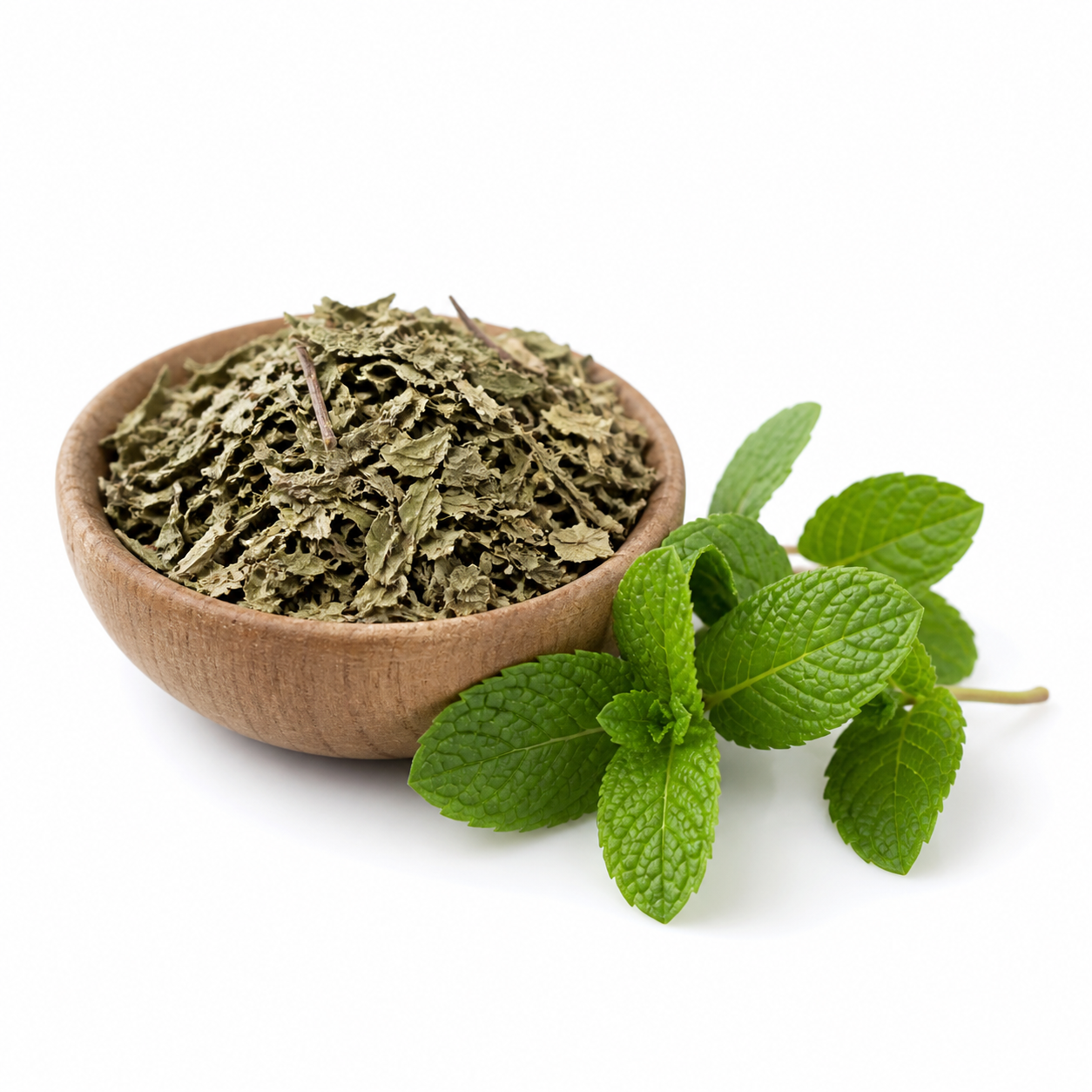
Peppermint is known for its cooling effect and can help calm throat irritation. It has anti-inflammatory and antimicrobial properties that may support relief.
It contains menthol, which helps loosen mucus and ease throat pain and coughing. Drinking warm peppermint tea is an easy option. To prepare it, add dried peppermint leaves to hot water, let it steep for a few minutes, then strain and allow it to cool slightly before drinking.
You can also use diluted peppermint oil as a throat spray. Mix a few drops of food-grade peppermint oil with a carrier oil like olive oil, almond oil, or coconut oil.
Note:
Always choose food-grade peppermint oil for internal use. Never use essential oils directly without diluting them first.
6. Use Fenugreek for Pain Relief
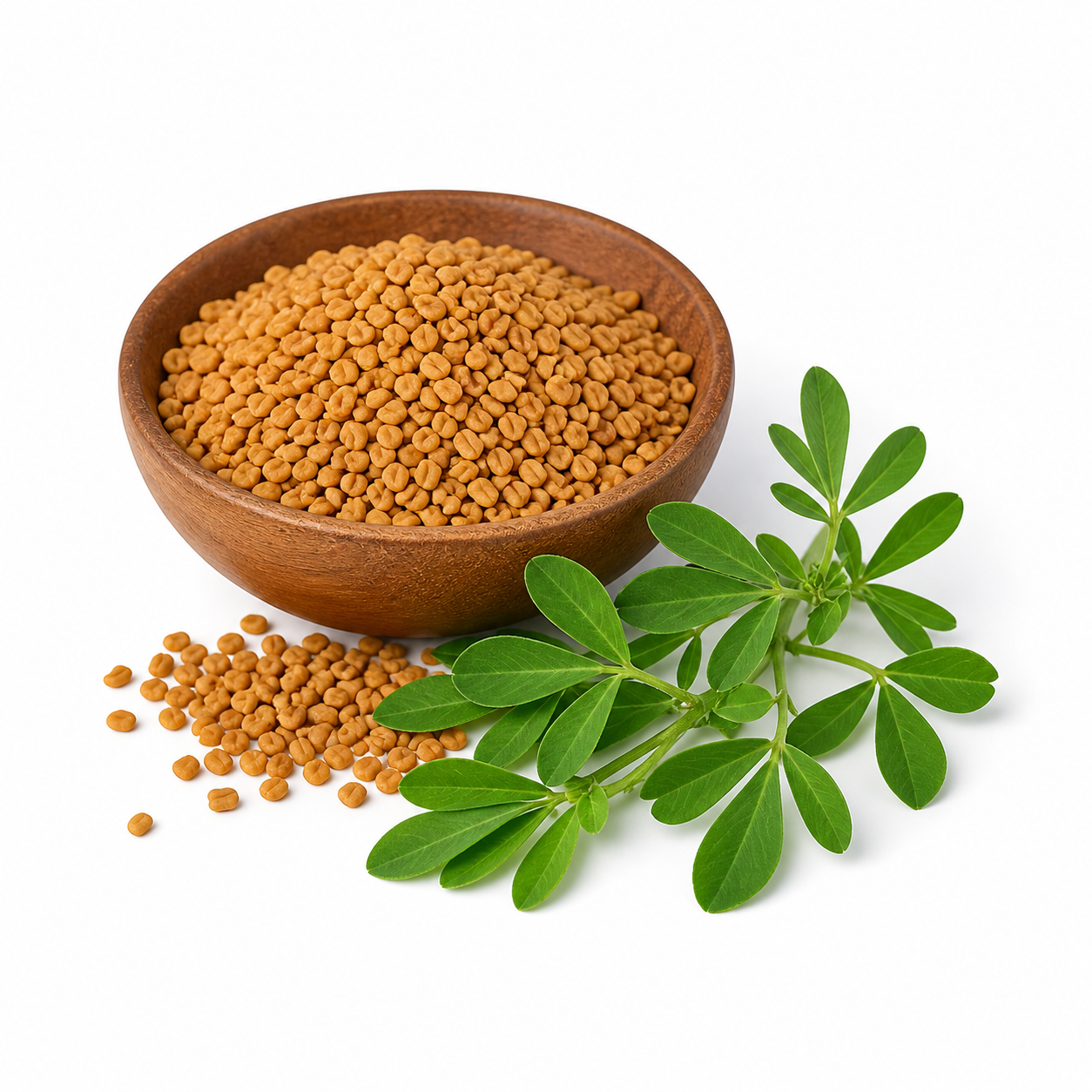
Fenugreek is a well-known herbal remedy that can be used as seeds, oil, or tea. Fenugreek tea is especially popular for soothing a sore throat and reducing irritation.
This herb may help ease throat pain, fight bacteria that cause inflammation, and support the body’s natural healing process. It also has antifungal properties, which can add to its health benefits.
Important:
Avoid consuming large amounts of fenugreek during pregnancy. It is not recommended for children as a supplement. If you take heart medications, consult your doctor before using fenugreek, as it may interact with certain medicines.
7. Try Marshmallow Root Tea
Marshmallow root is a herbal remedy known for its ability to soothe a sore throat. It contains mucilage, a thick, gel-like substance that forms a protective layer over the throat, helping to reduce irritation, dryness, and discomfort.
It may also help ease irritation in the respiratory tract, making it useful for throat and cough-related issues. Marshmallow root is available in several forms, including herbal tea, liquid extract (tincture), dried root, and capsules.
Important:
Medicinal marshmallow root is not the same as the sweet marshmallows used in desserts, as those typically do not contain this herb.

8. Use Licorice Root for Throat Comfort
Licorice Root for Natural Sore Throat Relief
Licorice root is a well-known herbal remedy that can help soothe a sore throat. It may reduce throat pain, irritation, and inflammation, making it a useful option for natural relief.
Studies suggest that licorice root tea may help slow the growth of bacteria associated with throat infections, including strep throat. It can also be used in the form of lozenges or as a gargle to ease discomfort.
Important:
Licorice root may not be safe during pregnancy or while breastfeeding. Always consult a healthcare professional before using it, especially if you have any medical conditions.
9. Soothe with Slippery Elm
Slippery elm is a herbal remedy often used to soothe a sore throat. Like marshmallow root, it contains mucilage, which forms a soft, gel-like coating when mixed with water. This layer helps protect the throat and reduce irritation and dryness.
To use it, add powdered slippery elm bark to hot water, stir well, and drink. It is also available in lozenge form for convenient use.
While slippery elm has been used for many years as a natural throat remedy, more research is needed to fully confirm its benefits.
Important:
Slippery elm may slow the absorption of certain medications. To avoid possible interactions, take it at least one hour after any oral medicine.
10. Add Garlic to Your Diet
Garlic is known for its natural antibacterial and antiviral properties. It contains allicin, a compound that may help the body fight infections that can lead to a sore throat.
Regular use of garlic may support the immune system and help reduce the risk of respiratory infections. Since these infections can cause throat discomfort, adding garlic to your diet may be beneficial.
You can include fresh garlic in your meals or chew a small clove for added benefit. Brushing your teeth afterward can help reduce strong odor and keep your breath fresh.

11. Cayenne Pepper for Natural Sore Throat Relief
Cayenne pepper is sometimes used to help ease sore throat pain. It contains capsaicin, a natural compound that may help reduce discomfort by affecting pain signals.
Some people mix a small amount of cayenne with warm water and honey to soothe throat irritation, though strong scientific proof is limited.
Use only a small amount at first, as cayenne can feel very hot and may cause a mild burning sensation.
Important:
Do not use cayenne pepper if you have cuts or sores in your mouth, as it can increase irritation.
12. Drink Warm Soups and Broths
Chicken soup is a popular home remedy that can help ease a sore throat and respiratory discomfort. Its warmth and fluids help keep the throat moist and reduce irritation.
It may also support the body by helping to reduce inflammation, which can ease throat pain and support recovery.
Along with physical relief, chicken soup can provide comfort and improve your overall mood, helping you feel better as your body heals.
13. Use Steam or Humid Air
Dry air can increase throat irritation, so adding moisture can help soothe discomfort. Inhaling steam is a simple method to reduce dryness and calm a sore throat.
To do this, pour hot water into a bowl, cover your head with a towel, and breathe in the steam gently for 10–15 minutes. You can also inhale warm steam by taking a hot shower.
A humidifier can help keep the air moist and make breathing more comfortable. While it does not treat the cause, it can support relief during recovery.

14. Get Enough Rest
Proper rest plays a key role in recovering from a sore throat. Getting enough sleep helps your body fight infection and heal more quickly.
Not getting enough sleep can weaken your immune system and increase inflammation, which may make symptoms worse. Prioritizing rest can support faster recovery.
It is also important to protect your voice. Avoid loud talking, singing, or shouting, as these can strain the throat and increase irritation.

Safe Sore Throat Remedies for Babies and Children
Sore throats in babies and young children can be uncomfortable, but they are usually mild. In most cases, they improve with simple sore throat remedies at home. Since children are more sensitive than adults, it is important to choose safe and gentle sore throat remedies.
Here are some useful sore throat remedies for children:
Use a Humidifier
A cool-mist humidifier adds moisture to the air, which helps reduce dryness and soothe the throat naturally.
Keep Your Child Well Hydrated
Encourage your child to drink water regularly, as staying hydrated is one of the most effective sore throat remedies. Avoid citrus drinks, as they may increase irritation.
Prevent Choking Hazards
Avoid giving hard lozenges to children under 5 years old. Always supervise older children when using them, even when trying sore throat remedies.
Avoid Honey for Infants
Do not give honey to babies under 1 year old, even as part of sore throat remedies, as it can be harmful to their health.
Common Over-the-Counter Treatments
If natural methods are not enough, over-the-counter (OTC) options can help relieve sore throat symptoms.
1. Acetaminophen (Tylenol)
This medicine helps reduce pain and fever. It is safe for children when used correctly.
2. Ibuprofen (Advil, Motrin)
It helps lower pain, swelling, and fever. It is also available in child-friendly forms.
3. Throat Lozenges and Pops
Lozenges can calm throat irritation. For younger children, throat pops may be a safer choice.
4. Warm Drink Powders
These powders are mixed with warm water and can help soothe the throat.
5. Throat Sprays
Some sprays contain ingredients that numb the throat and reduce pain.
6. Eucalyptus Products
Eucalyptus is often used in cough syrups and lozenges. It may help ease throat discomfort.
Things to Avoid with a Sore Throat
If you have a sore throat, some foods and environmental factors can make your symptoms worse. To help your throat heal faster, it is best to avoid dry air, as it can increase irritation and discomfort. Smoking and secondhand smoke can also worsen inflammation and slow down recovery.
Exposure to air pollution, dust, pollen, mold, or pet dander may further irritate the throat and increase discomfort. Strong chemical fumes from cleaning products can also make symptoms worse.
It is also important to avoid alcohol, as it can dry out the throat and delay healing. Acidic foods and drinks, such as citrus fruits, tomatoes, and carbonated beverages, may increase irritation. Dry or hard foods like chips, pretzels, and popcorn can scratch the throat, while spicy foods may cause a burning sensation and make discomfort worse.
Frequently Asked Questions (FAQs)
1. How to Reduce Sore Throat Pain Fast?
To ease a sore throat fast, gargle with warm salt water and stay hydrated with warm or cold fluids. You can take pain relievers like ibuprofen or acetaminophen for relief. Using a humidifier also helps keep your throat moist and reduces irritation.
2. Is Your Sore Throat Viral or Bacterial? How to Tell
Around 80% of sore throats are caused by viral infections. These usually include symptoms like a cough, runny nose, hoarse voice, and a mild fever. Bacterial infections, such as strep throat, are less common but more severe. They often cause strong throat pain, high fever, swollen tonsils with white spots, headache, and usually no cough. A rapid strep test is required to confirm a bacterial cause.
3. Which Foods Should You Avoid with a Sore Throat?
If you have a sore throat, avoid foods that can cause more irritation. Hard or crunchy items like chips, crackers, and nuts can scratch the throat. Acidic foods such as oranges and tomatoes may increase discomfort. Spicy foods, alcohol, and very hot or very cold drinks can also make symptoms worse. Choose soft, gentle, and lukewarm foods to help soothe the throat and support recovery.
When to See a Doctor
Most sore throats are mild and improve within a few days with simple home care. However, medical attention is important if symptoms become severe or do not improve.
You should see a doctor if your sore throat lasts longer than a few days, gets worse over time, or causes severe pain when swallowing or speaking. A high fever, swollen tonsils with white patches, or the absence of common cold symptoms like cough or runny nose may be signs of a bacterial infection that needs treatment.
Seek immediate care if you have trouble breathing or swallowing, or if the pain is affecting your sleep and daily routine. For babies and young children, contact a doctor if symptoms continue or if they are not drinking enough fluids.
Getting medical advice early can help find the cause and prevent complications, especially if home remedies and over-the-counter treatments are not working.
Conclusion:
A sore throat is a common issue that is usually mild and often linked to viral infections like the cold or flu. In most cases, it gets better within a few days with simple care, such as proper rest, good hydration, and basic home or over-the-counter treatments.
Natural sore throat remedies like honey, warm salt water, herbal teas, and steam can help ease pain and reduce irritation. Avoiding triggers such as smoke, dry air, and spicy or acidic foods can also support faster recovery. For children, always choose safe and gentle care methods.
If symptoms become severe, last longer than a few days, or do not improve, it is important to seek medical advice. Early care can help prevent complications and ensure the right treatment.
With the right approach and proper care, most sore throats can be managed easily, leading to a smooth and comfortable recovery.
Read More Information:
- Sore Throat Remedies: Top Natural Remedies for Fast Relief
- Chest Pain Symptoms & Causes
- Heart Disease: Causes & Symptoms, Diagnosis
- Eye Redness Causes, Symptoms Treatment & Prevention in Healthline Tips
- Dizziness Reasons Symptoms and Causes Treatment

Welcome to Health Line Tips! I’m Mazhar Hayyat, an AI-Powered SEO, and Content Writer with 4 years of experience. I help websites rank higher, get more traffic, and look amazing. My goal is to make SEO and web design simple and effective for everyone. Let’s achieve more together!