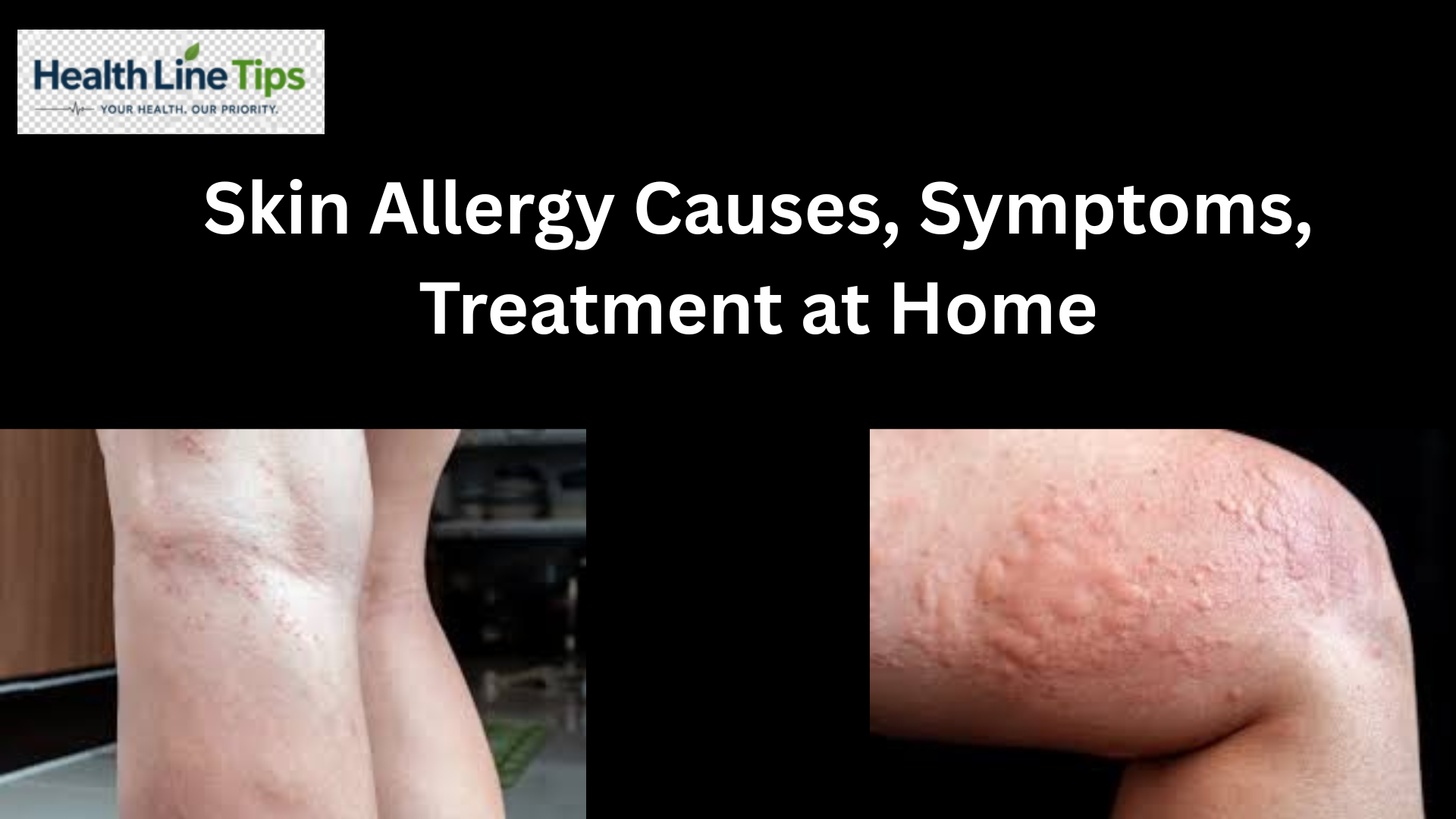
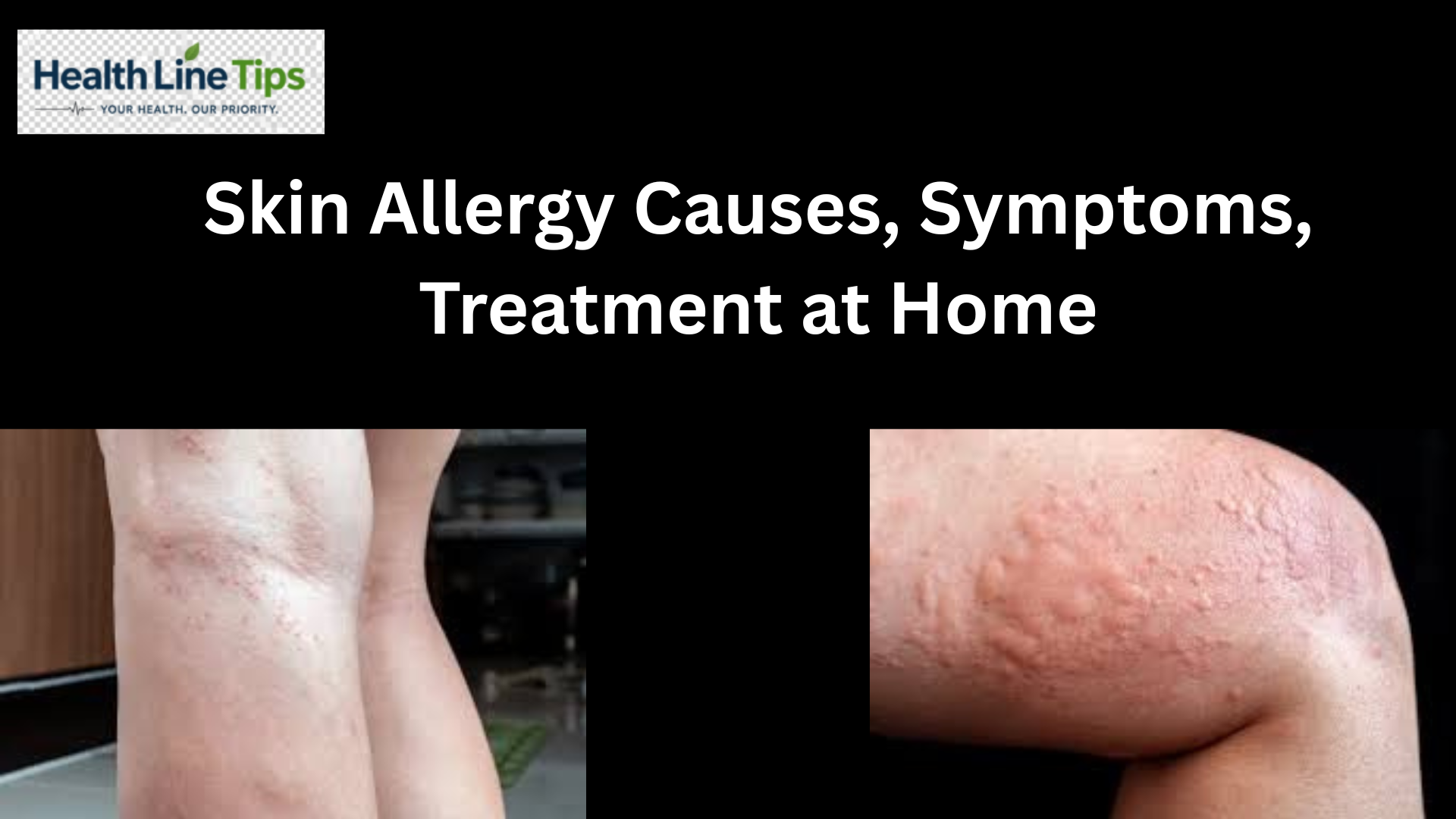
Skin allergies occur when the body reacts to substances like dust, pollen, pet hair, certain foods, or skincare products. These reactions can cause itching, redness, rashes, swelling, dry skin, and irritation. In some cases, darker skin tones may develop brown or purple patches instead of redness. Skin allergies are common in both children and adults and can range from mild irritation to severe discomfort.
Many people prefer natural home remedies because they are simple, gentle, and easy to use. Treatments like aloe vera, cold compresses, oatmeal baths, and moisturizers can help calm the skin and reduce itching naturally. Understanding the causes and symptoms of skin allergies is important for finding the right treatment and preventing future flare-ups.
Overview of Skin Allergy
Skin allergies develop when the body’s immune system reacts to certain substances that come into contact with the skin. These reactions can lead to itching, redness, rashes, swelling, and irritation, with symptoms ranging from mild to severe. Skin allergies can affect people of any age and may be triggered by products, foods, environmental factors, or chemicals. Early diagnosis and proper care are important to control symptoms, reduce discomfort, and prevent future allergic reactions.
Types of Skin Allergies
Contact Dermatitis
Contact dermatitis occurs when the skin reacts after touching irritants or allergens such as soaps, chemicals, metals, perfumes, or certain plants. It often causes redness, itching, burning, and skin rashes on the affected area.
Atopic Dermatitis (Eczema)
Atopic dermatitis, commonly known as eczema, is a long-term skin condition that causes dry, itchy, and inflamed skin. It is often linked to allergies, asthma, or a family history of sensitive skin conditions.
Urticaria (Hives)
Hives are raised, itchy welts that appear suddenly on the skin due to allergic reactions, stress, foods, medications, or environmental triggers. They can vary in size and may disappear within hours or days.
Angioedema
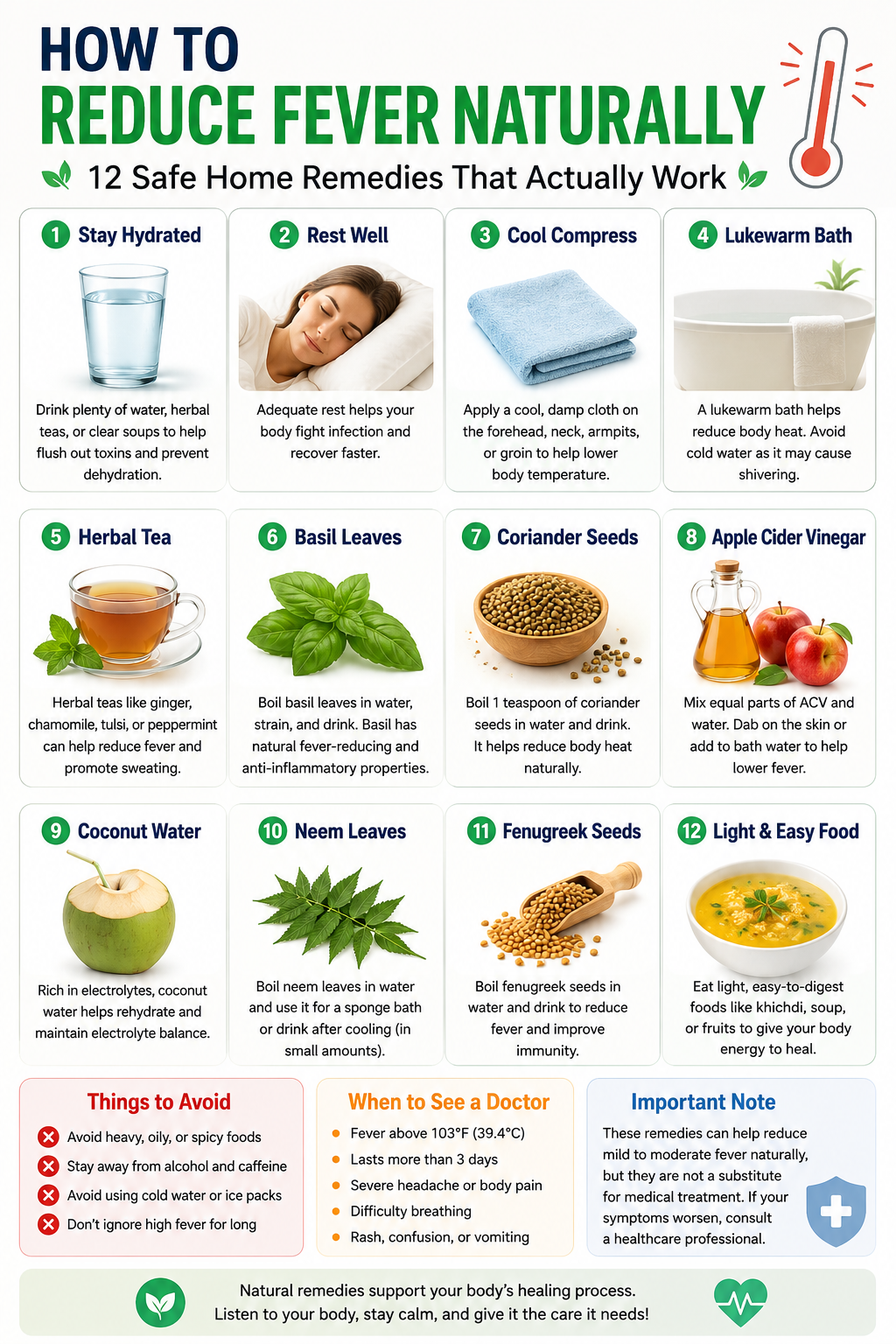
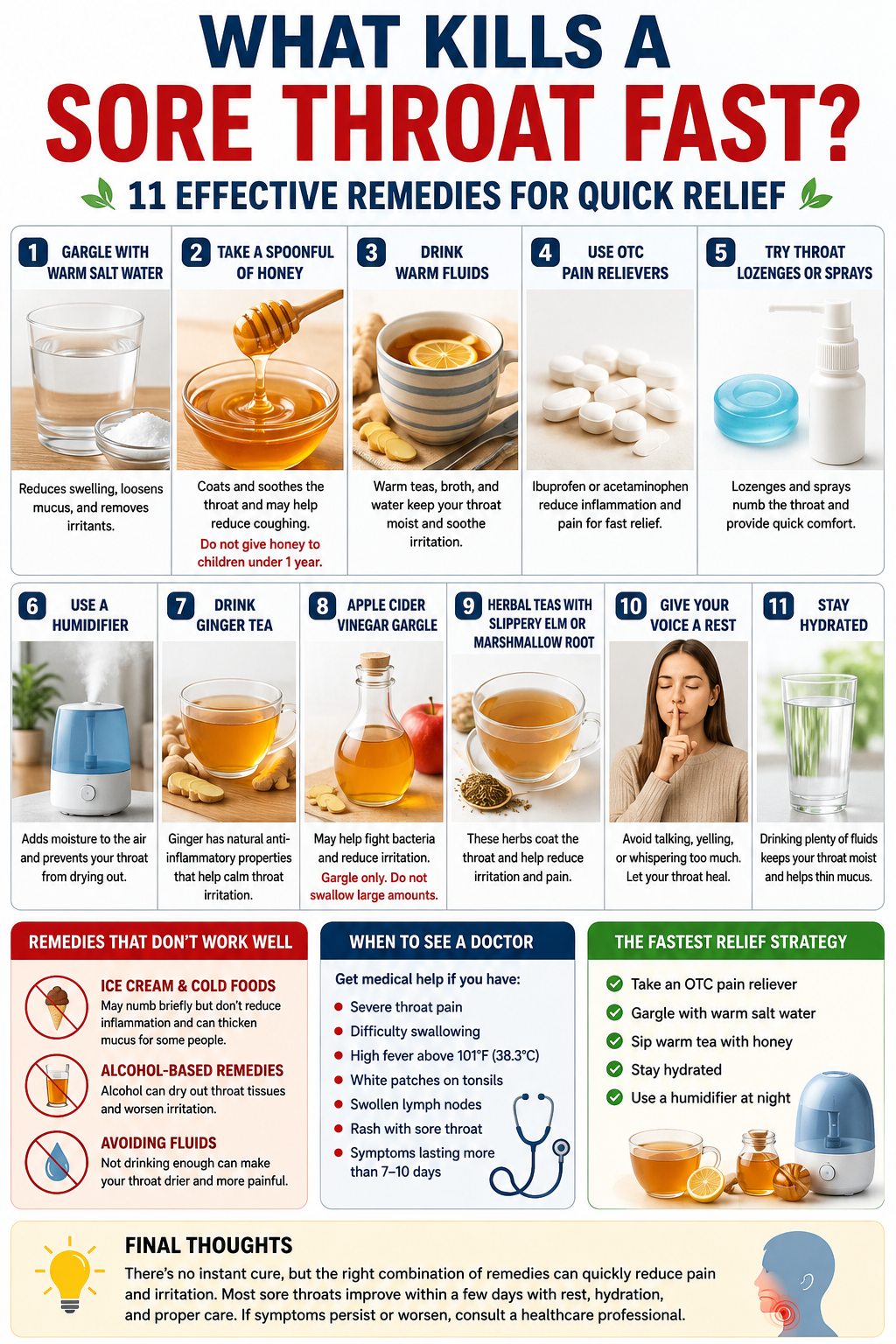
Angioedema is a deeper swelling beneath the skin, usually affecting areas like the eyes, lips, face, or throat. It can develop from allergic reactions and may sometimes occur along with hives.
Allergic Contact Dermatitis
This type of skin allergy develops when the immune system reacts to a specific allergen after skin contact. Common triggers include cosmetics, latex, fragrances, jewelry, and skincare products.
Drug-Related Skin Allergies
Certain medications can trigger allergic skin reactions, leading to rashes, itching, redness, or swelling. In severe cases, drug allergies may require immediate medical attention.
Common Symptoms of Skin Allergic Reactions
Skin allergies can appear in different ways depending on the cause and the sensitivity of the skin. Recognizing the symptoms early can help you manage the reaction quickly and prevent further irritation.
Some of the most common symptoms of skin allergies include:
- Constant itching or burning sensation
- Redness on lighter skin tones and brown or purple patches on darker skin
- Swelling or inflammation on the affected area
- Raised bumps, hives, or skin rashes
- Dry, rough, or flaky skin
- Cracked skin that may become painful or infected
- Small fluid-filled blisters that can leak liquid
Different skin allergies may cause different types of reactions. For example, hives often appear suddenly and disappear within a short time, while eczema can last longer and cause ongoing irritation. Contact dermatitis usually develops where the skin touches an allergen or irritant.
Symptoms can also vary by age. Babies often develop rashes on the face, while children and adults commonly experience irritation on the hands, feet, elbows, or behind the knees.
Although most skin allergies are mild, serious symptoms like difficulty breathing, throat swelling, or a swollen tongue require immediate medical attention. Understanding these warning signs can help you choose the right treatment and protect your skin from worsening reactions.
Effective Home Remedies for Skin Allergy Relief
Natural home remedies can help reduce itching, redness, and irritation caused by skin allergies. Many simple ingredients found at home may soothe the skin and support faster healing without harsh chemicals.
Baking Soda
Baking soda is known for its soothing and anti-inflammatory properties. Mixing baking soda with water to form a paste can help calm itching and skin irritation. A baking soda bath may also provide relief from discomfort and reduce inflammation.
Aloe Vera
Aloe vera is widely used for its cooling and skin-healing benefits. The natural gel from the plant can help soothe irritated skin, reduce redness, and moisturize dry patches. Applying fresh aloe vera gel to affected areas may help calm allergic reactions naturally.
Coconut Oil and Olive Oil
Natural oils like coconut oil and olive oil help keep the skin soft and hydrated. Coconut oil may reduce inflammation and support skin repair, while olive oil contains antioxidants and vitamin E that help protect damaged skin and restore moisture.
Herbal Remedies
Herbs such as neem, basil, and calendula are often used in natural skincare treatments. These herbs may help reduce itching, irritation, and redness due to their calming and antibacterial properties. Herbal pastes or oils can be gently applied to affected skin for relief.
Apple Cider Vinegar
Diluted apple cider vinegar is commonly used to soothe itchy skin and reduce irritation. Its natural antibacterial properties may help protect the skin and provide temporary relief from allergy symptoms. Always dilute it with water before applying to sensitive skin.
Diagnosis of Skin Allergies
Finding the exact cause of a skin allergy is important for proper treatment and long-term relief. Doctors usually diagnose skin allergies by reviewing your symptoms, examining the skin, and performing allergy tests when needed.
Reviewing Medical History
The doctor may ask questions about your symptoms, daily routine, diet, medications, skincare products, and any past allergic reactions. This helps identify possible allergy triggers.
Skin Examination
A physical check of the affected skin is done to look for signs such as redness, itching, swelling, dryness, rashes, or irritation. The appearance of the skin can help determine the type of allergy.
Allergy Tests
Doctors may recommend skin prick tests or blood tests to find out which substances are causing the allergic reaction. These tests can detect allergies related to foods, pollen, dust, chemicals, and other common triggers.
Patch Test
In a patch test, small amounts of possible allergens are placed on the skin using special patches. The skin is monitored over a few days to identify delayed allergic reactions and confirm the exact cause of the allergy.
Treatment & Management
Proper treatment and management of skin allergies help reduce itching, inflammation, and discomfort while preventing future flare-ups. The right treatment depends on the type and severity of the skin condition.
Managing Atopic Dermatitis (Eczema)
Eczema treatment mainly focuses on keeping the skin moisturized and reducing inflammation. Regular use of moisturizers and medicated creams can help repair the skin barrier and relieve dryness and itching. Doctors may also prescribe topical treatments to control inflammation in moderate or severe cases.
Avoiding scratching is very important because it can worsen the rash and damage the skin. Wearing soft cotton clothing and avoiding harsh soaps, chemicals, and other triggers may help prevent flare-ups.
For severe eczema that does not improve easily, doctors may recommend advanced treatments such as biologic therapies or prescription medications. If the skin becomes infected, antibiotics or antifungal treatments may also be needed.
When to See a Doctor for Skin Allergies
You should contact a healthcare provider if your allergy symptoms continue, become severe, or you are unsure about the cause of the reaction. A doctor can help identify allergy triggers and recommend the right treatment. In some cases, you may be referred to an allergy specialist or dermatologist for further testing and care.
Seek emergency medical help immediately if you experience:
- Swelling of the face, lips, tongue, or throat
- Trouble breathing or shortness of breath
- Chest pain or tightness
- Severe hives spreading across the body
- Tingling in the hands, feet, or lips
- Dizziness, weakness, or fainting
- A sudden feeling of panic or danger
These symptoms may be signs of a serious allergic reaction that requires urgent medical attention.
Treatment for Hives and Angioedema
Hives and angioedema are often managed by identifying and avoiding allergy triggers. Antihistamine medicines are commonly used to reduce itching, swelling, and skin rashes. In more severe or long-lasting cases, doctors may suggest stronger medications or specialized treatments.
People who develop swelling due to certain medications should consult a doctor immediately to adjust their treatment and avoid complications.
How to Manage Skin Allergies at Home
Mild skin allergies can often be managed at home with simple skincare and natural soothing methods. If you know the triggers causing your allergic reactions, avoiding them as much as possible can help prevent irritation and reduce flare-ups.
Here are some helpful ways to relieve skin allergy symptoms at home:
- Wear loose and breathable clothing made from soft natural fabrics like cotton to avoid skin irritation.
- Use over-the-counter anti-itch creams or calamine lotion to help reduce itching and redness.
- Apply a cold compress or take a cool shower to soothe inflamed and swollen skin.
- Try oatmeal or milk baths to calm irritation and moisturize dry, sensitive skin.
- Keep your skin hydrated by using gentle, fragrance-free moisturizers regularly.
If home remedies do not improve your symptoms or the allergy becomes severe, a healthcare provider may recommend stronger treatments such as prescription antihistamines or medicated creams for better relief.
Conclusion:
Skin allergies are very common and can affect anyone, no matter the age. They usually happen when the body reacts to everyday things like dust, pollen, certain foods, or skincare products. This reaction can lead to symptoms such as itching, redness, rashes, dryness, and swelling, which may cause discomfort in daily life.
The positive side is that skin allergies can be managed well with the right care and attention. Early identification of symptoms, avoiding known triggers, and using simple home remedies can make a big difference. Natural options like aloe vera, oatmeal baths, cold compresses, and mild moisturizers can help calm the skin and reduce irritation.
Learning about the causes, symptoms, and treatment options helps you take better care of your skin and prevent future flare-ups. However, if the condition becomes severe or does not improve, it is always best to consult a healthcare professional.
With consistent care and healthy skin habits, most people can control skin allergies effectively and enjoy healthier, more comfortable skin.
Read More:

Welcome to Health Line Tips! I’m Mazhar Hayyat, an AI-Powered SEO, and Content Writer with 4 years of experience. I help websites rank higher, get more traffic, and look amazing. My goal is to make SEO and web design simple and effective for everyone. Let’s achieve more together!